
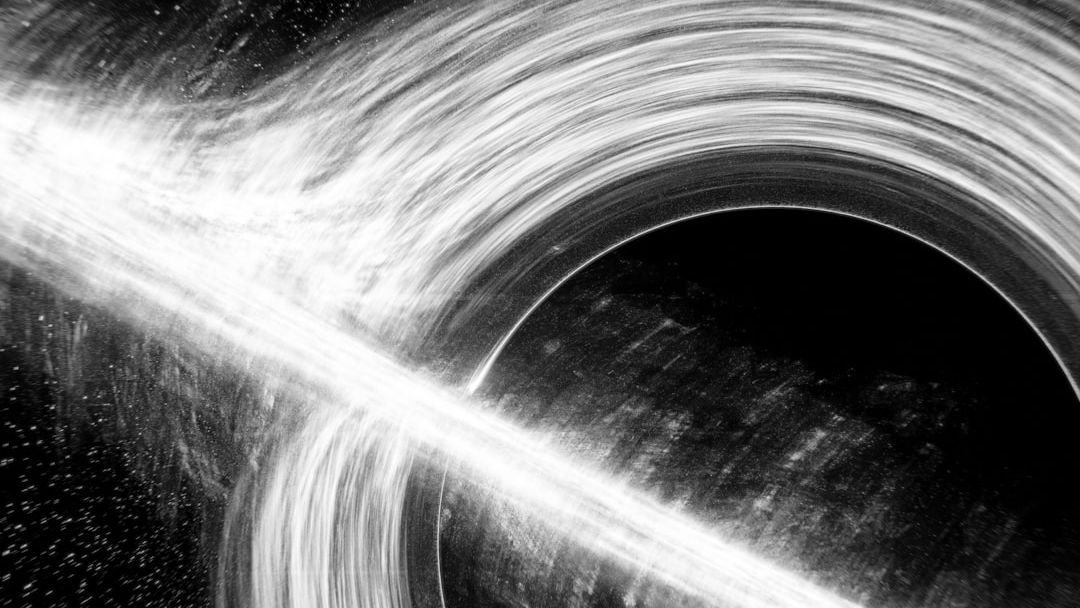

The Universe Is Mostly Something We Cannot See
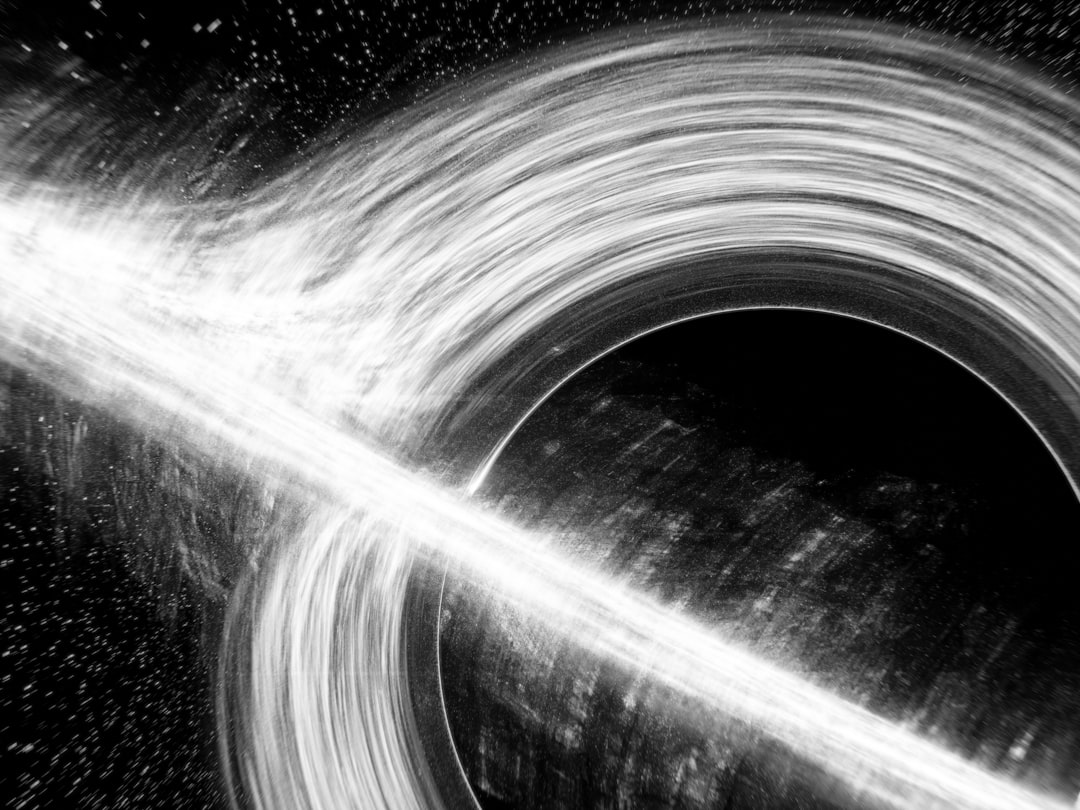
To understand why dark matter matters for propulsion, you first have to appreciate just how much of reality is hidden. Dark matter is an invisible and hypothetical form of matter that does not interact with electromagnetic radiation, including light, and its existence is implied by gravitational effects that cannot be explained by general relativity unless more matter is present than can be observed.
We do not know the nature of five sixths of the matter in the universe. Scientists label it “dark matter” to reflect our ignorance. That’s a humbling admission for a civilization that has mapped human DNA and landed rovers on Mars.
Given that dark matter is thought to outweigh visible matter by about six to one, finding a way to exploit it for propulsion would be a major breakthrough. The scale of the resource is, quite literally, cosmic.
The Neutralino: A Theoretical Fuel Cell Hiding in Physics

One possibility, raised in a paper by New York University-trained physicist Jia Liu, might be using dark matter as an energy source to power spacecraft on extremely long missions. Liu’s concept is based upon the not-yet-verified assumption that dark matter is made up of neutralinos, particles without any electrical charge.
Neutralinos also happen to be antiparticles, which means that when they collide under the right circumstances, they annihilate each other and convert all of their mass to energy. That single property is what makes them so extraordinary as a theoretical fuel candidate.
If that turns out to be true, a pound of dark matter could produce nearly 5 billion times the energy as the equivalent amount of dynamite. That means a dark matter reactor would have plenty of power to propel a rocket ship through the cosmos, and a big enough core could accelerate the craft close to the speed of light, according to Liu’s paper.
The “Ramjet” Concept: Scooping Fuel from Space

Dark matter research could potentially lead to revolutionary propulsion technology, enabling spacecraft to scoop up dark matter as fuel. This would allow for rapid acceleration and the possibility of reaching speeds close to the speed of light, and would significantly reduce the need for carrying large amounts of fuel, making long-distance space travel more feasible.
One advantage of the dark matter engine would be that a spaceship wouldn’t need to carry much fuel, because it could gather more along the way from the abundant dark matter in parts of the universe. The faster that the rocket travels, the more rapidly it will scoop up dark matter and accelerate.
Robert Bussard is well known among propulsion theorists, having proposed as far back as 1960 that a ramjet scooping up interstellar hydrogen with magnetic fields could sustain a fusion reaction and thus work its way up close to the speed of light. Liu’s dark matter variant of this concept updates the idea for the 21st century, swapping hydrogen for something far more energetically dense.
Travel Times That Defy Imagination
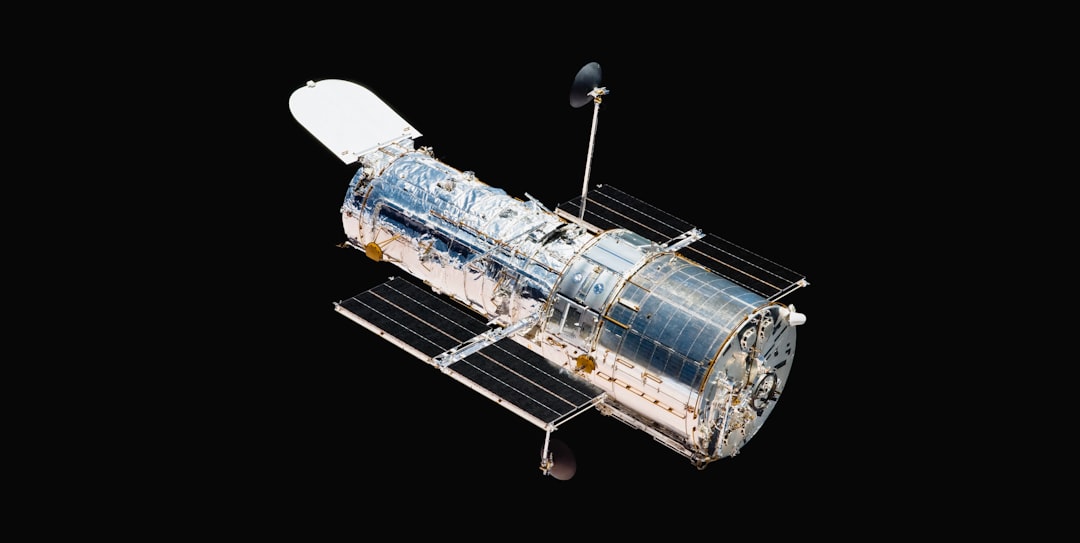
A 100-ton rocket ship theoretically could approach the speed of light within a few days. That, in turn, would shave the time needed to travel to Proxima Centauri, the nearest star to our solar system, from tens of thousands of years to perhaps five. That shift is not incremental. It’s categorical.
Proxima Centauri sits at roughly 4.24 light-years away. Current chemical propulsion makes a journey there completely impractical for any crewed mission within a human lifespan. A dark matter engine, if the physics proves workable, would change the math entirely.
Spacecrafts could traverse the solar system to reach nearby stars in a span of days to weeks, within a human lifetime, due to this enormous energy potential. For now this remains theoretical, but the theoretical case is built on real physics, not science fiction.
The LUX-ZEPLIN Experiment: Closing In Underground

The most significant recent development in this story happened not in space, but nearly one mile underground in South Dakota. The LUX-ZEPLIN, or LZ, experiment is an international collaboration of 250 scientists and engineers from 37 institutions. The detector is managed by the Department of Energy’s Lawrence Berkeley National Laboratory and operates nearly one mile below ground at the Sanford Underground Research Facility.
The new results use the largest dataset ever collected by a dark matter detector and have unmatched sensitivity. The analysis, based on 417 live days of data taken from March 2023 to April 2025, found no sign of WIMPs with a mass between 3 and 9 GeV/c2.
While the 417 live days of data turned up no signs of WIMPs, the new findings put the tightest constraints yet on the energy parameters of low-mass dark matter interactions. The detector did pick up signals from another type of weakly interacting particle: solar neutrinos. That secondary discovery is itself a milestone in detector sensitivity.
What “No Detection” Actually Tells Us

It’s tempting to read null results as failure. Scientists don’t see it that way. This is the first search by LZ below 9 GeV, and the results set world-leading constraints above 5 GeV, narrowing the possibilities for what dark matter could be. Elimination is progress.
Despite pushing interaction limits down by orders of magnitude, direct detection experiments all reported null results for WIMPs across the standard GeV to TeV mass range. As of late 2025, the LZ experiment had excluded WIMP cross-sections above 9 GeV/c2 and reported the first detection of boron-8 solar neutrinos via coherent elastic neutrino-nucleus scattering in a dark matter detector.
Scientists working on LZ described their position as being “in discovery territory,” with a large swath of physics phenomena that LZ can now access with greater sensitivity, including WIMPs, solar neutrinos, and rare physics processes beyond the Standard Model. The hunt is getting sharper, not slower.
Dark Matter Is Already in Our Backyard
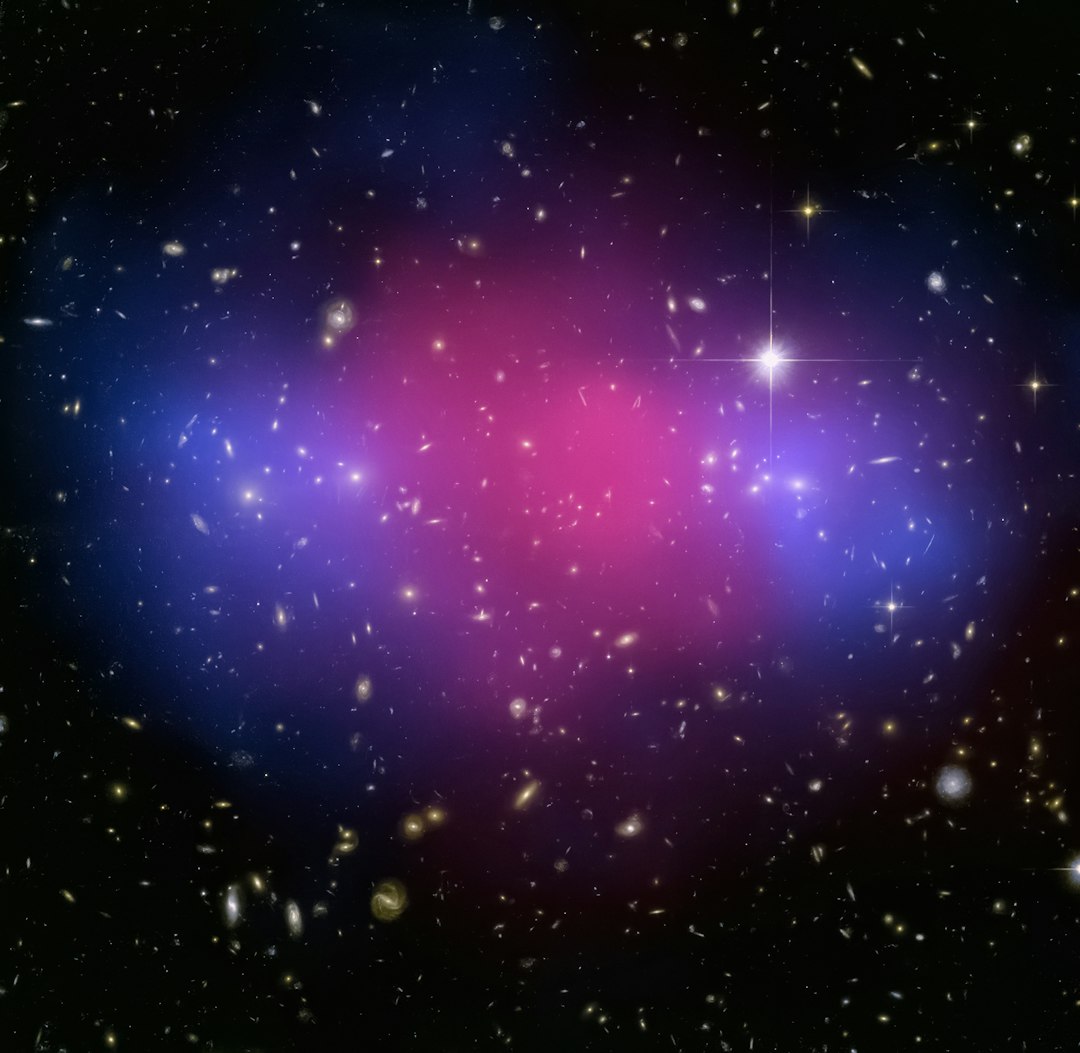
NASA researchers have predicted that dark matter’s gravity ever so slightly interacts with all of the spacecraft that NASA has sent on paths that lead out of the solar system. This makes the theoretical fuel source not some distant resource but something already threading through every cubic meter of space around us.
It’s a tiny effect. After traveling billions of miles, the path of a spacecraft like Pioneer 10 would only deviate by about 5 feet due to the influence of dark matter. Tiny, yes, but measurable in principle.
At a certain distance from the Sun, the galactic force becomes more powerful than the pull of the Sun, which is made of normal matter. Researchers calculated that this transition happens at around 30,000 astronomical units, or 30,000 times the distance from Earth to the Sun. Beyond that threshold, dark matter’s influence dominates. A future mission designed to detect it directly at that range could change everything.
The Immense Engineering Obstacles

None of this comes without brutal honest caveats. The physics of dark matter propulsion faces challenges that aren’t minor engineering problems. They’re foundational. Safety measures for a dark matter propulsion system would need to address the containment and controlled annihilation of dark matter to ensure we can safely manage and direct the high-energy reactions without risk to the spacecraft or crew.
We don’t know what dark matter is yet, and we may be dealing with something that can’t be housed in any propulsion system made of normal matter because it fails to interact with it. That’s the central problem. You cannot contain what doesn’t interact with your container.
Antimatter faces parallel challenges. If you add up all the antimatter ever made in all the labs in the history of Earth, you end up with just about a microgram’s worth of antimatter. We’d need many millions of times more to power an interstellar journey. Dark matter propulsion, similarly, depends on particle physics breakthroughs that haven’t arrived yet.
The Next Generation of Detectors
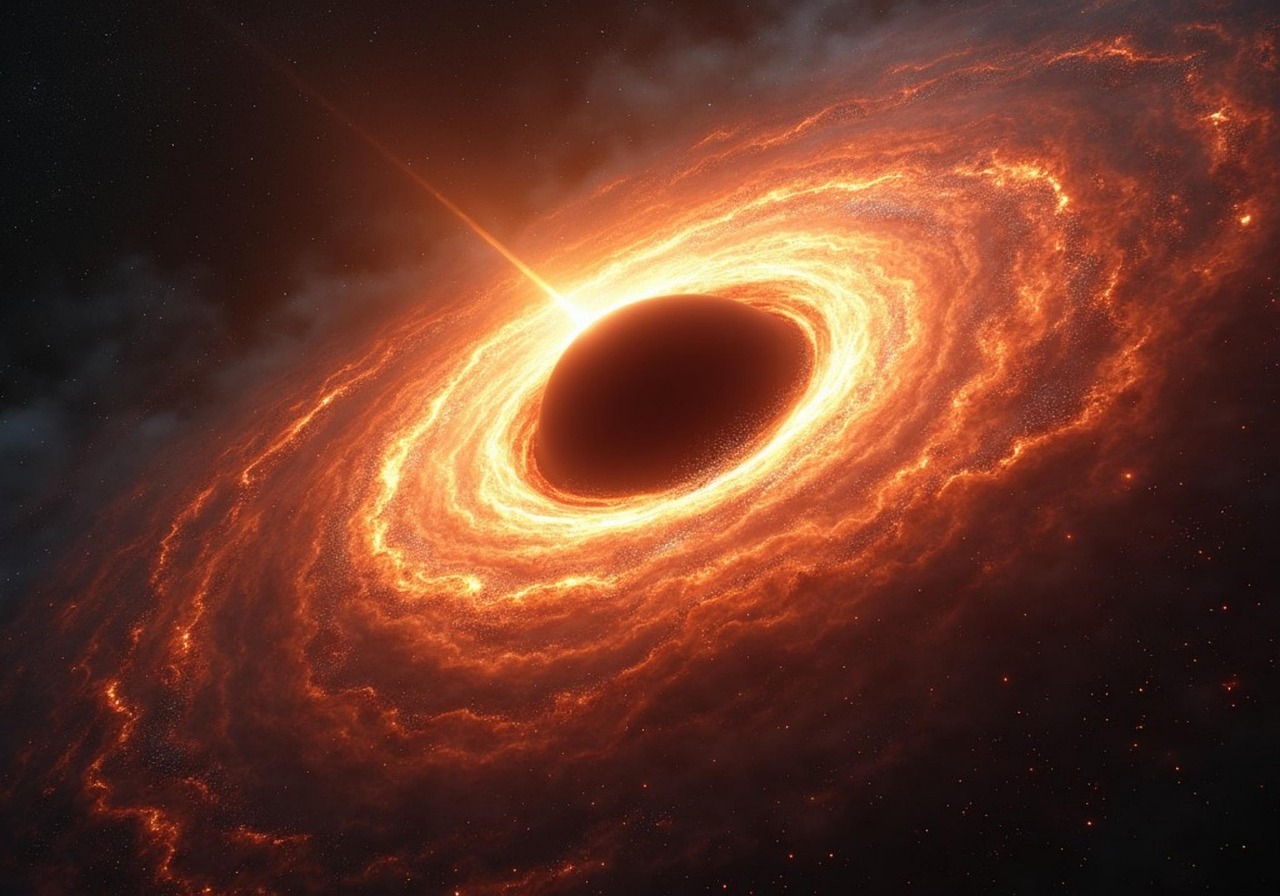
The scientific community isn’t standing still. Many of the researchers from LZ are also designing a future dark matter detector that uses liquid xenon on an even larger scale. The XLZD detector will combine the best technologies from projects like LZ, XENONnT, and DARWIN for a next-generation WIMP hunter that can also study neutrinos, the sun, cosmic rays, and other unusual candidates for dark matter, such as dark photons and axion-like particles.
With unprecedented potential for discovery, the LZ experiment is presently accruing science data towards a total 1,000 live day exposure. That dataset will be the most comprehensive ever assembled for this kind of search.
New observations from the James Webb Space Telescope hint that the universe’s first stars might not have been ordinary fusion-powered suns, but enormous “supermassive dark stars” powered by dark matter. If confirmed, that finding alone would rewrite fundamental astrophysics and suggest dark matter was energetically active far earlier in cosmic history than anyone assumed.
From Theory to Technology: What Would Have to Be True
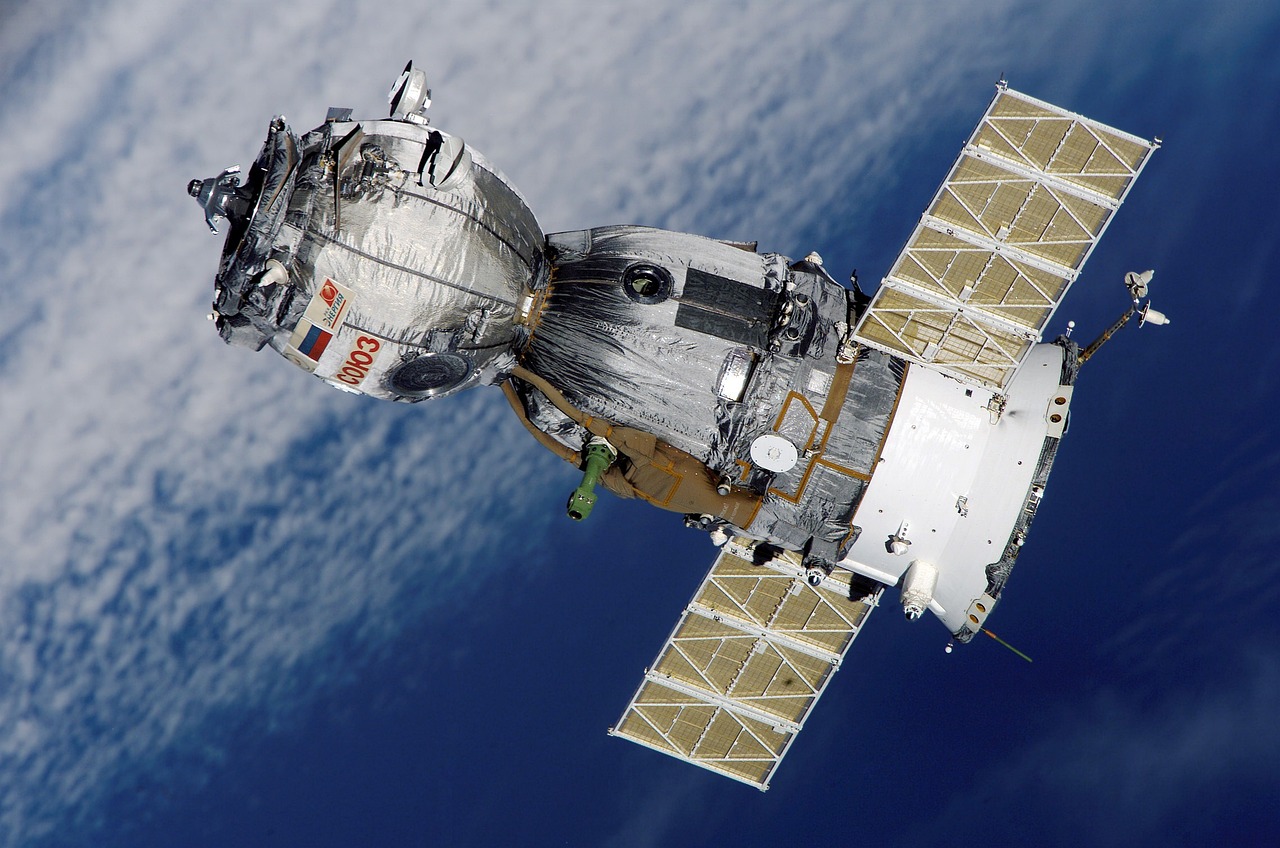
For a dark matter engine to move from concept to spacecraft, the field needs several things to fall into place simultaneously. First, physicists need to confirm what dark matter actually is. If dark matter consists of WIMPs, they could potentially be detected through their scattering with ordinary matter, their direct creation at high-energy colliders, or the standard model particles they would produce by annihilating in our galaxy and beyond.
Beyond propulsion, dark matter research holds the promise of unlocking new technologies and inventions that are currently beyond our imagination, expanding our understanding of the universe and our place within it. Some of those applications may not be propulsion at all, though propulsion remains the most dramatic possibility.
While we’re still far from realizing interstellar travel, the ideas being explored today lay the groundwork for future breakthroughs. Whether it’s through advancements in propulsion, new physics, or radical life-support systems, the dream of exploring other stars continues to inspire scientists and visionaries. The gap between inspiration and engineering is enormous, but it has been closed before.
Conclusion: The Fuel Was Always There
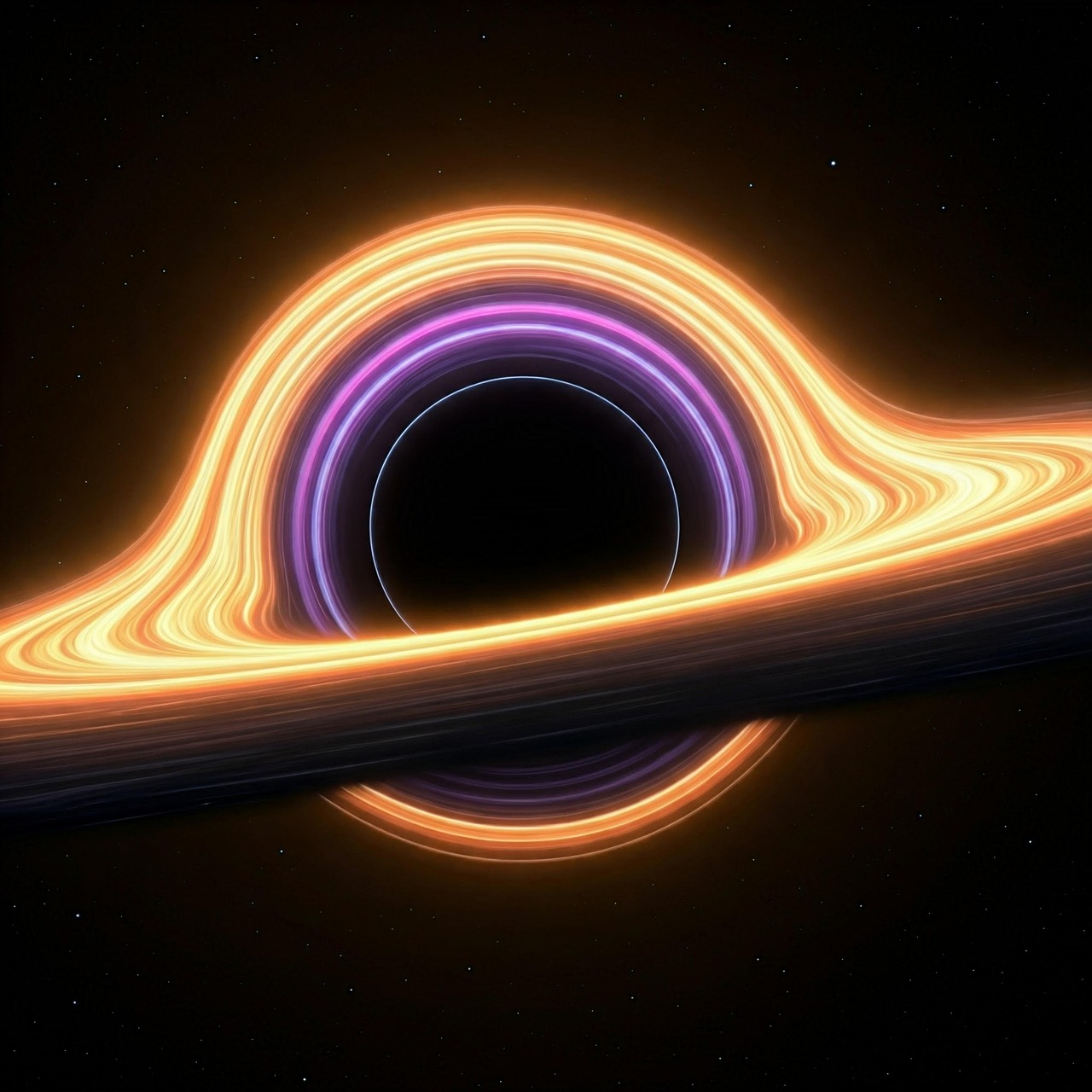
The strange thing about dark matter as a propellant concept is that the resource, if it exists in the form theorists expect, is already everywhere. It permeates the solar system, the galaxy, the space between galaxies. We are swimming in it, blind to it, unable to touch it yet.
What we are doing, systematically and with increasing precision, is narrowing down what it must be. The latest results from LZ further narrow the possibilities for what dark matter might be and how it may interact with ordinary matter. Each experiment that rules out one candidate sharpens the target for the next.
The honest picture in 2026 is this: dark matter propulsion remains theoretical, the particles remain unconfirmed, and the engineering is generations away at minimum. Yet the physics motivating the idea is real, the detectors hunting for the particles are the most sensitive ever built, and the prize, reaching other stars within a human lifetime, is unlike anything our species has ever attempted. That gap between where we stand and where this could lead is exactly where science lives.