

The Cave Setting: Appalachia as a Place of Hidden History
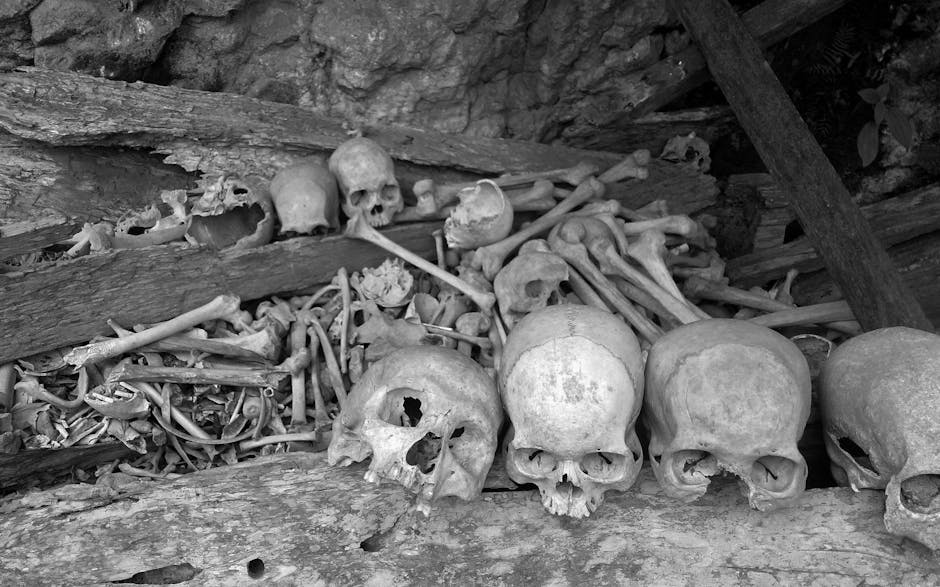
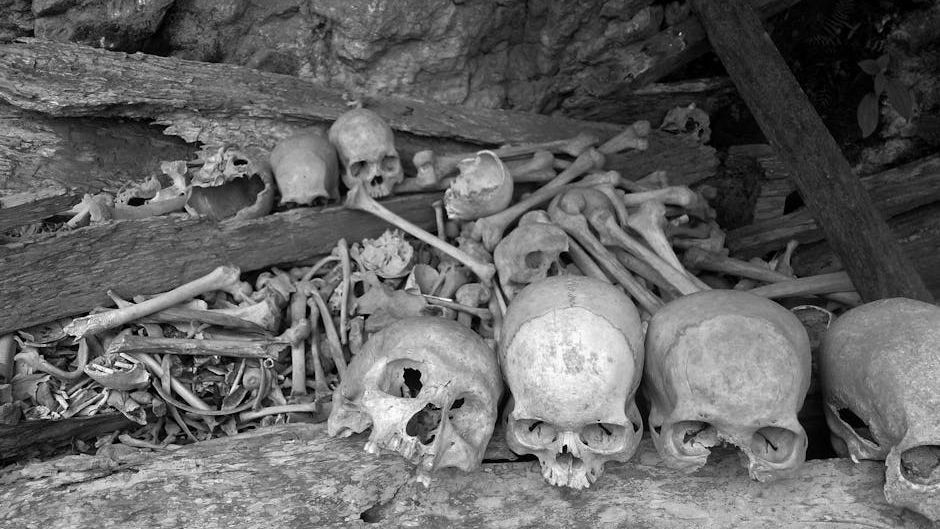
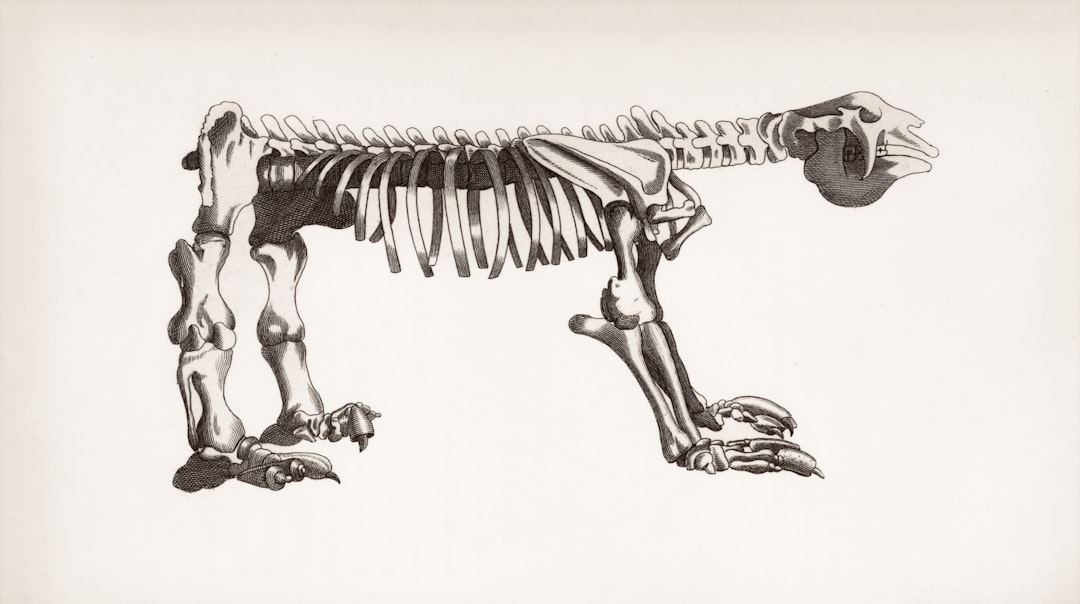
Big Bone Cave in Van Buren County, Tennessee, offers one of the most tangible examples of how the Appalachian region has genuinely yielded surprising skeletal and biological remains in cave environments, notable enough to earn listing on the National Register of Historic Places. It takes its name from the discovery of the bones of a giant ground sloth in 1811, was operated as a saltpeter mine during major American conflicts, and has preserved a variety of natural remains and human artifacts in its dry atmosphere.
In the 1800s, many newspaper stories reported the discovery of huge skeletons throughout the Appalachians and the Ohio Valley, with local papers regularly running headlines like “Giant Skeleton Unearthed in West Virginia Coal Mine” or “Seven-Foot Human Remains Found in Kentucky Cave.” The mountains were already known to hold things people had not expected to find, which gave every new story a degree of plausibility it might not have earned elsewhere.
The Adena People: Who Actually Built These Burial Sites
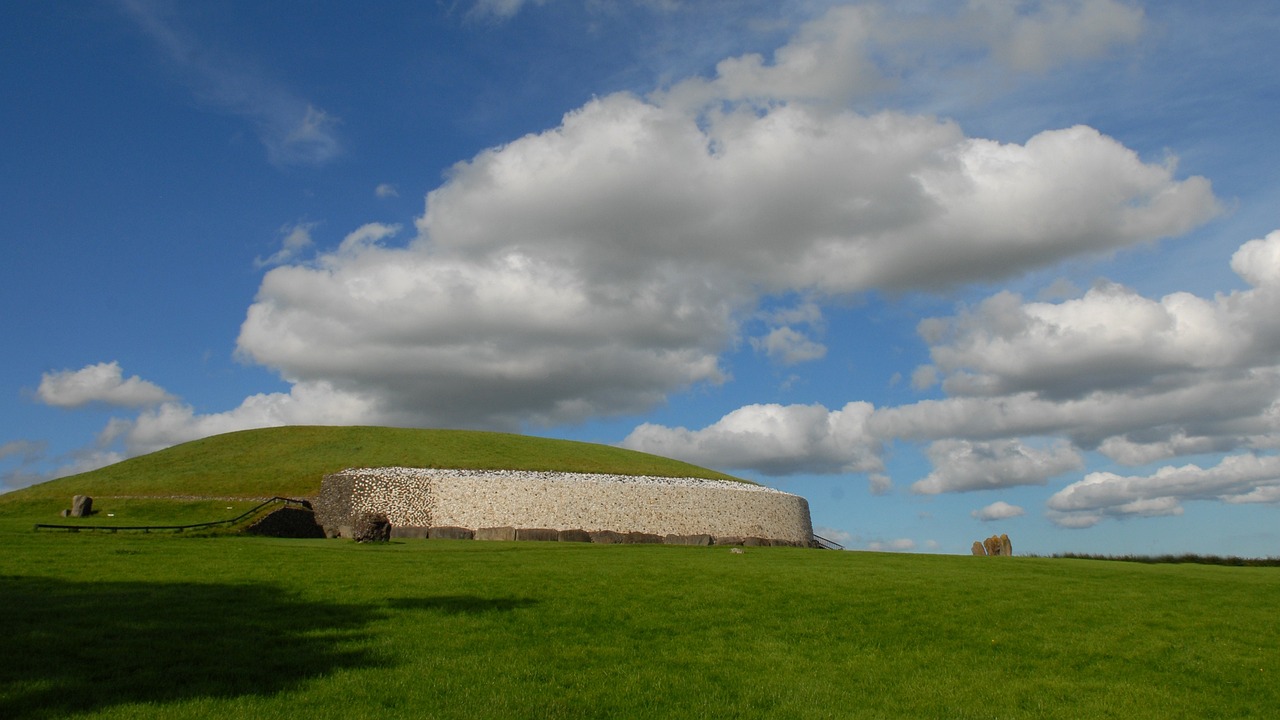
The Adena culture was a pre-Columbian Native American civilization that existed from 500 BC to 100 AD during the Early Woodland period, representing a number of related Native American societies sharing a burial complex and ceremonial system, centered on the modern state of Ohio but also extending into West Virginia, Indiana, Illinois, and parts of Pennsylvania.
Most Adena mounds were used as burial sites containing human and animal remains along with copper beads and bracelets, carvings on stone tablets, river pearls, mica, weapons, tools, and pipes, and the human remains have provided scientists with clues as to the age, sex, and size of the Adena people. They were characterized by widespread trade and the use of exotic artifacts from distant places in complex burial rituals involving mound building and geometric earthworks, and major examples of their work survive today at Moundsville, South Charleston, and other places in West Virginia.
What the Field Notes Actually Say About Stature
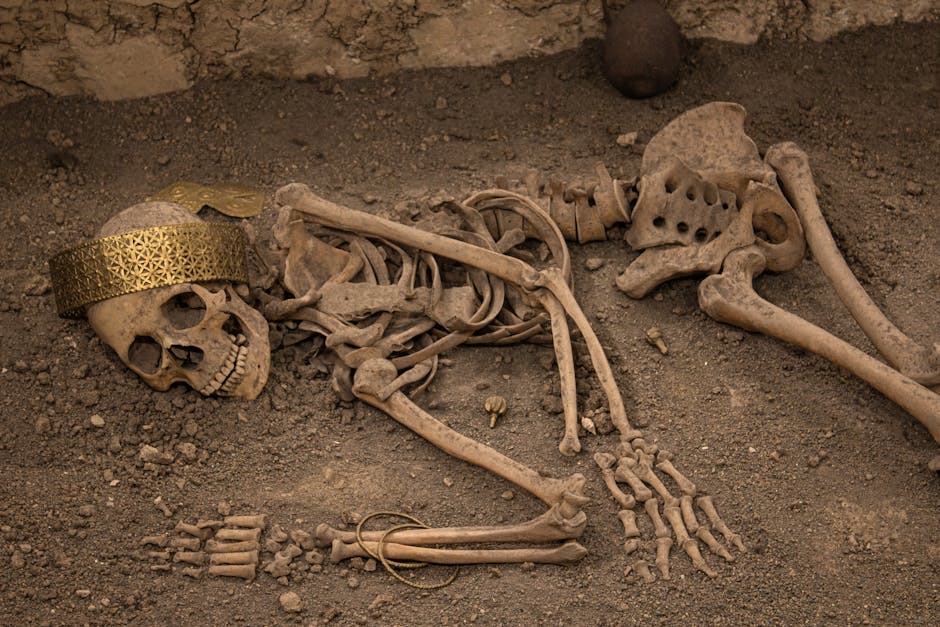
At the Dover Mound, archaeologist Webb encountered a skeleton measuring seven feet tall with notably heavy long bones possessing marked eminences for muscle attachment. In 1958, Don Dragoo of the Carnegie Museum uncovered remains “of large proportions” in a subsurface tomb at the Cresap Mound in West Virginia, described as approximately 7.04 feet in length.
Among the sources examined by researchers were the handwritten field notes of P.W. Norris, the Bureau of Ethnology agent who excavated the Adena mounds at Charleston, West Virginia in 1883 and 1884. Several mounds there yielded skeletons seven feet long, and at the Great Smith Mound, Norris encountered a central burial he measured in situ and described as “a gigantic human skeleton 7 feet 6 inches in length and 19 inches between the shoulders.”
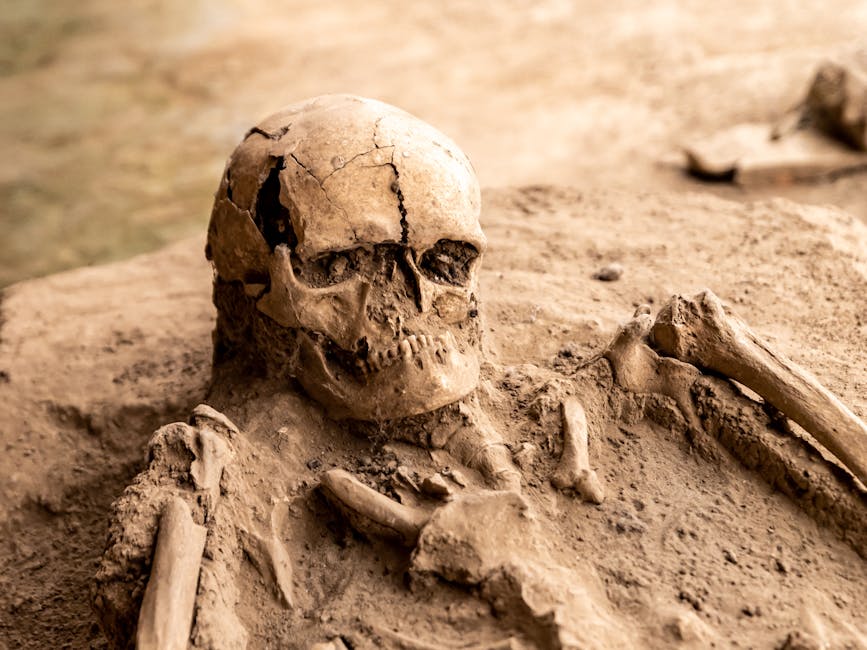
In their reviews of Adena skeletal material, researchers William S. Webb, Charles Snow, and Don Dragoo noted the characteristics of these powerful people, recording that Adena individuals possessed massive and prognathic jaws, pronounced brow ridges, and some of the highest skull vaults noted for any population in the world, with very thick bones featuring marked eminences for musculature.
The 9-Foot Claims: Tracking the Newspaper Record
In the late 1800s, there were many claims of “giant” skeletons found in the region, with the story of the “Adena Giants” becoming well known throughout Appalachia. Modern researchers dismiss many such claims as being due to inaccurate field measurements, though these “findings” frequently made their way into newspaper reports of the day.
One account notes that a man named S.C. Winkler entered a newspaper office with a basket containing a skull from one of several skeletons he had accidentally dug up on his farm, with that particular skull coming from a skeleton that measured nearly nine feet long and was possibly a member of the “Adena Giants,” commonly known as the Mound Builders. These kinds of accounts were numerous, vivid, and almost completely unverifiable in retrospect.
Smithsonian curator of anthropology Aleš Hrdlička noted that reports of giant skeletons were occurring two or three times per month during the peak years of this phenomenon. That frequency alone tells you something about the cultural climate that produced them.
The West Virginia Mounds and Giant Skeleton Reports
In 1875, when workers were constructing a bridge near the mouth of Paw Paw Creek at Rivesville, West Virginia, they uncovered three giant skeletons with strands of reddish hair clinging to their skulls. A local doctor examined the remains and estimated that the skeletons were approximately eight feet tall, though when exposed to air, the bones deteriorated rapidly.
A report from the Clarksburg Sunday Exponent in June 1930 described a tribe or race believed to have consisted of individuals ranging from seven to nine feet tall, thought to be Siouan Indians, with the best-preserved skeleton found at Morgansville encased in clay with vertebrae and other bones preserved without much crumbling.
The Criel Mound was formally excavated in 1883 to 1884 under the auspices of the US Bureau of Ethnology, with the excavation performed by Professor Cyrus Thomas of the Smithsonian Institution, who found thirteen skeletons in total. These were professionally documented finds, not folk accounts, and they still showed individuals of notable stature by the standards of their era.
The Role of Misidentified Animal Bones

Giant skeletons of animals were often mistaken for giant human bones during previous centuries and during the early twentieth century, largely due to a lack of expertise in human bone structure by those who discovered the bones. Some discoveries were also intentionally misrepresented for various reasons.
When one celebrated “giant” was taken to New Orleans, medical doctor William Carpenter found it to be the remains of a young mastodon. Carpenter reported not fraud but rather a widespread desire to believe, and once the man exhibiting the bones discovered they were not human, he boxed them up. Still, other purported giants were soon unearthed, exhibited, reported, or sold for profit.
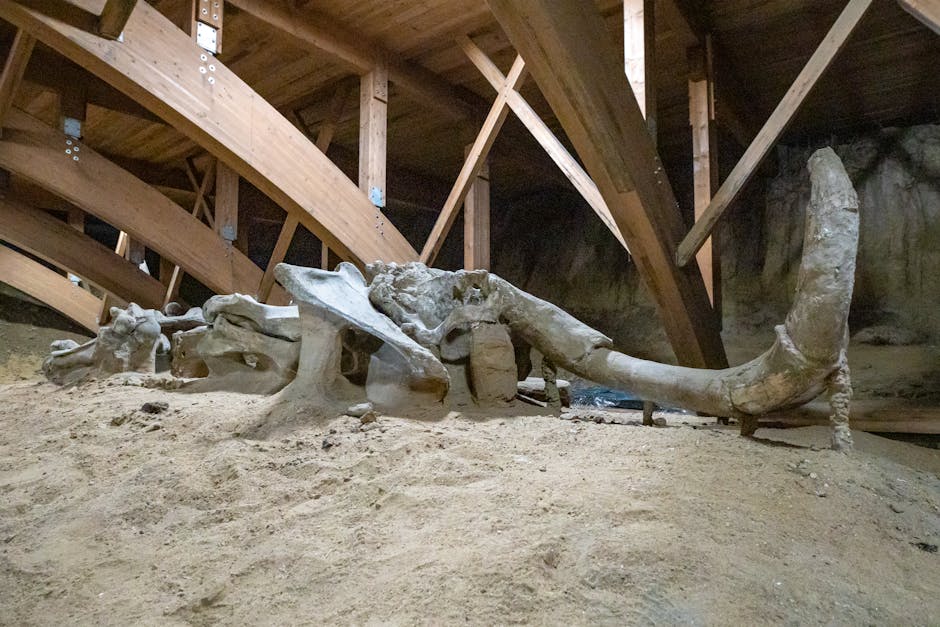
In the case of Lovelock Cave in Nevada, bones found nearby belonging to bears and mammoths could easily be mistaken for those of a “giant” to the untrained eye. The same principle applied across the Appalachian region, where megafauna remains had been turning up in caves and riverbeds for centuries.
The Smithsonian Conspiracy Theory: What Fact-Checkers Found

In 2014, an internet story claimed that the Smithsonian Institution had custody of many giant skeletons and destroyed thousands of them in the early 1900s. Reuters determined that the origin of the story was a satirical website called World News Daily Report, and a Smithsonian spokesperson confirmed that the story was not true.
The role of the Smithsonian Institution in debunking giant skeleton claims led to a conspiracy theory that Smithsonian archaeologists were destroying giants’ bones in order to cover up the existence of giants. The Smithsonian’s Bureau of Ethnology did encourage those excavating mounds to send Native American bones to their Mound Exploration Division, and prior to the 1990 Native American Graves Protection and Repatriation Act, the Smithsonian collected over 18,000 such skeletons. Sensationalist newspaper articles, however, were often invoking the Smithsonian’s name simply to lend their stories credibility.
What Science Says About the Physical Limits of Human Height

Medical conditions like gigantism and acromegaly can cause abnormal growth in humans, and legitimate archaeological findings do not support the existence of a race of giants. Most of the large skeletons cited in giant claims can be explained by individuals suffering from gigantism.
Researchers have found that an unusually tall skeleton uncovered during an archaeological excavation near Rome was affected by pituitary gigantism. By their estimates, that skeleton belonged to a young man who would have stood at more than six and a half feet tall, at a time when the average man was about five and a half feet. That is genuinely remarkable for its era, but it is a far cry from nine feet.
In 2024, researcher Nicholas Landol used mathematical formula to determine that a skeleton previously claimed to be extremely large was actually only between 153 and 162 centimeters, and that due to the disarticulation a skeleton experiences after death, a skeleton can appear considerably larger than it is. This finding is critically important for interpreting old field measurements across the board.
The “Titan Bone” Label: Internet Age Mythology

Since 2004, a doctored image helped give legs to tall tales of ancient giant humans, with at least one version of the story claiming that a National Geographic Society team helped make the discovery. The picture, however, was an innocent fake, lifted from a website that hosts contests for digital artists.
A digitally altered photograph created in 2002 shows a reclining giant surrounded by a wooden platform with a shovel-wielding archaeologist thrown in for scale. By 2004 the “discovery” was being blogged and emailed all over the world under headlines like “Giant Skeleton Unearthed!” The phrase “Titan Bone” follows this same tradition: a compelling name attached to a story with no verifiable excavation site, no peer-reviewed documentation, and no physical evidence that can be independently examined.
The belief that giants once roamed the Earth is a popular conspiracy theory about the ancient world, but there has not been any credible evidence that giants ever existed. Despite this, many hoaxes including manipulated photos, videos, and online content continue to push this claim.
What the Real Archaeological Record Leaves Open
Researchers Jason Jarrell and Sarah Farmer have documented that the remains of powerfully built individuals reaching seven feet in stature and even taller have been discovered in many Adena and Hopewell mounds in the Eastern Woodlands, including sites beyond the Ohio Valley. These are the figures that genuine archaeology can support. They represent unusually tall people for their time, not mythological titans.
Some Adena mounds also contained the remains of females exceeding six feet in height, and while the average height of Adena females was five feet two inches, some of the remains that have been discovered exhibit the same extraordinary height and build known for many of the males. Archaeological research conducted in recent years indicates that the cultural history of Western Pennsylvania, including the Adena, Hopewell, and Late Woodland mounds, is in need of revision, and as new investigations progress, more information on obscure and little-known sites will likely become available.
As historian Scott Tribble, author of a study on the Cardiff Giant hoax, has noted, in the late 1700s and throughout the 1800s there were a lot of newspaper reports on giant bones being discovered, but the reports rarely had follow-ups, and locals usually determined the bones were fake or belonged to an animal.
Conclusion: The Distance Between Legend and Evidence

The “Titan Bone” story as it circulates today, involving a specific uncharted Appalachian cave and nine-foot skeletons with a named discovery, does not correspond to any verified archaeological find. No peer-reviewed study, no institutional field report, and no physical collection supports the specific claim.
What does exist is a long and genuinely complicated record of unusually large remains in Adena and Hopewell burial mounds, some documented by credentialed Smithsonian agents in the 1880s, combined with a cultural history of misidentified animal bones, exaggerated field measurements, deliberate hoaxes, and the very human tendency to want ancient mysteries to be larger than they are.
The Appalachian mountains are old enough and deep enough to hold real surprises. The archaeology of the Adena culture is still being revised, and there is honest scholarly work yet to be done in caves and mounds across the region. The truth, when it comes to giant skeleton stories, tends to be more interesting than the myth: real people of remarkable stature, buried with copper and mica and great ceremony, in a landscape that has been slowly giving up its secrets for two hundred years. That story doesn’t need nine-foot bones to be worth telling.