Marcel covers emerging tech and artificial intelligence with clarity and curiosity. With a background in digital media, he explains tomorrow’s tools in a way anyone can understand.
Sharing is caring!
There’s a quiet shift happening among globally mobile professionals, entrepreneurs, and families seeking more options in an uncertain world. Instead of buying a Ferrari or a Range Rover, some are redirecting that same budget into something that arguably delivers more long-term value: a second passport. The idea sounds exotic, but the mechanics behind it are more straightforward than most people assume.
Economic citizenship, sometimes called citizenship-by-investment or CBI, is a government-regulated program that grants full legal nationality in exchange for a qualifying financial contribution to a country’s economy. Unlike golden visa programs, citizenship-by-investment grants full citizenship and a passport directly, often within months. Three Caribbean nations in particular have built their reputations on making this accessible at price points that, surprisingly, sit within the range of a high-end vehicle. Here’s a close look at each one.
Dominica: The Oldest and Most Streamlined Option in the Caribbean
Dominica: The Oldest and Most Streamlined Option in the Caribbean (Image Credits: Pixabay)
The Dominica citizenship-by-investment program stands as one of the Caribbean’s most established pathways to second citizenship, operating since 1993. That kind of institutional track record matters. It means the program has been tested, refined, and internationally scrutinized over more than three decades, and it keeps attracting applicants precisely because it works.
Dominica’s citizenship-by-investment program is one of the cheapest in the world, and citizenship can be obtained by investing at least $200,000 in the state fund or real estate. The money transferred to Dominica’s Economic Diversification Fund is directed to social and economic development, including the construction of schools and hospitals and support for tourism and agriculture. So it’s not just a transaction. It’s a direct contribution to the national fabric of a small island nation.
There is no requirement to visit Dominica before or after obtaining citizenship. The entire process is handled remotely, which makes it unusually convenient for busy professionals or investors who simply can’t afford to take months off. From 2017 to 2020, more than 5,800 investors received citizenship by investment in Dominica, and the state earned an income of $1.2 billion. The numbers speak to the program’s genuine scale and credibility.
Dominican passport holders gain visa-free or visa-on-arrival access to over 140 destinations worldwide, and this enhanced mobility facilitates international business operations and personal travel arrangements. Applicants do not need to renounce their current nationality, as Dominica’s law permits multiple passports. That dual citizenship provision is one of the most attractive features for anyone weighing the decision. Dominica also has no taxes on capital gains, salaries, or inheritance, and tax residents are exempt from tax on foreign income.
Antigua and Barbuda: The Most Family-Friendly Program in the Region
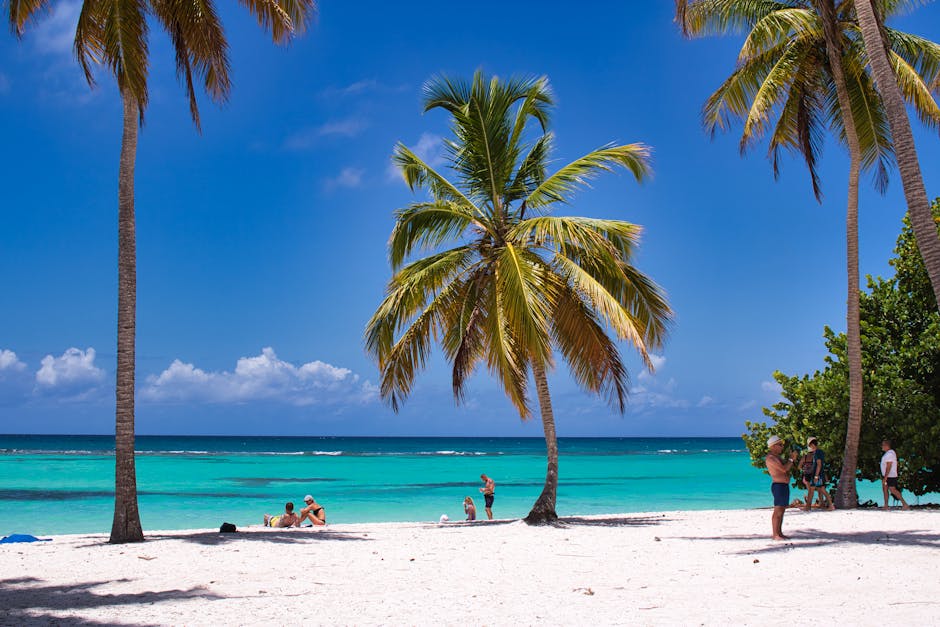
Antigua and Barbuda: The Most Family-Friendly Program in the Region (Image Credits: Pexels)
Antigua and Barbuda launched its citizenship-by-investment program in 2013, with the initiative aimed at attracting foreign investment and boosting economic development in the twin-island nation, and since its inception the program has evolved to meet changing global standards and investor needs. More than a decade in, it has earned a strong reputation particularly among families looking to maximize the value of a single investment.
The qualifying investment starts at $230,000, which qualifies a main applicant and up to three qualified dependents. That family-inclusive pricing structure is genuinely rare in the world of economic citizenship. Obtaining citizenship with family does not increase the investment amount, unlike CBI programs in other Caribbean countries. For parents with children or for multi-generational households, this detail alone can represent tens of thousands of dollars in savings.
To maintain citizenship, a five-day visit to the country within the first five years after passport approval is required. That’s a light obligation by any standard, and for most applicants it doubles as a tropical vacation. Antigua and Barbuda imposes no taxes on personal income, wealth, inheritance, or capital gains. Successful applicants receive an Antigua and Barbuda passport offering visa-free access to 164 countries, including the UK, China, Qatar, and Schengen countries. The breadth of that access is impressive and puts this passport on par with documents from much larger and wealthier nations.
Families of six or more people can benefit from a special option: a $260,000 donation to a higher education institution, with processing fees included, and this is the most cost-effective way for large families to obtain citizenship. A donation to the University of West Indies Fund also results in one member of the family receiving a one-year, tuition-only scholarship. That kind of built-in education incentive gives Antigua’s program a dimension that purely transactional programs simply don’t have.
Saint Lucia: The Flexible and Innovation-Driven Newcomer
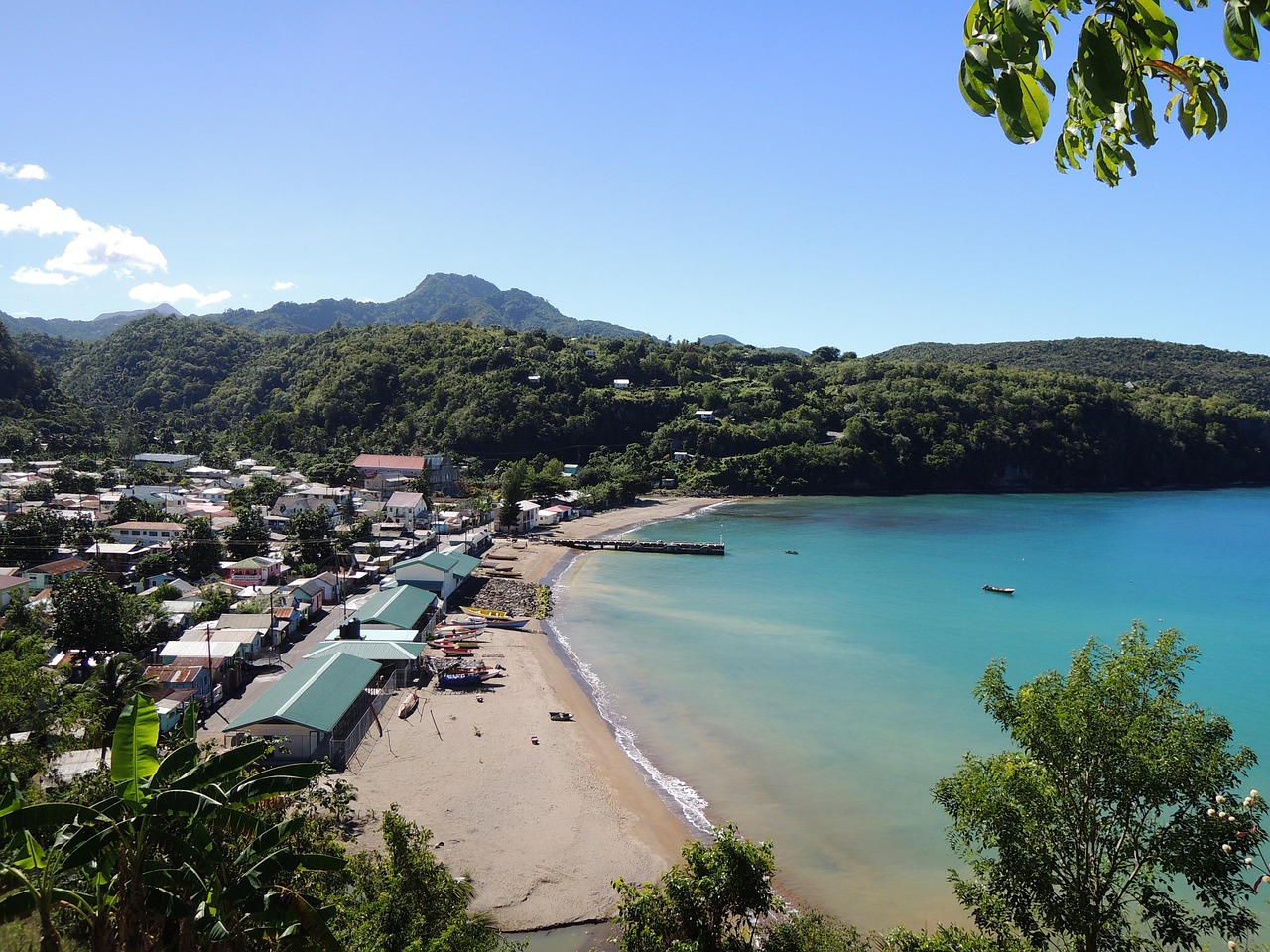
Saint Lucia: The Flexible and Innovation-Driven Newcomer (Image Credits: Pixabay)
Launched in 2016, Saint Lucia’s program is known for its flexibility and innovation. It may be the youngest of the three programs profiled here, but it has quickly built credibility among applicants who want more diverse investment options rather than a one-size-fits-all approach. Saint Lucia provides the most diverse investment options of any Caribbean CBI program.
A non-refundable financial contribution of $240,000 to the Saint Lucia National Economic Fund qualifies a single applicant or a main applicant with up to three dependents. Alongside the fund contribution route, applicants can also invest in approved real estate, government bonds, or approved business projects, giving them more strategic control over where their money goes. Investors applying for Saint Lucia citizenship do not need to visit or live in the country to qualify for or maintain citizenship, and their application is handled by an authorized agent, with only a virtual interview required, meaning the citizenship process can be finalized entirely remotely.
A Saint Lucia passport ranks high at 67th overall in the 2025 Global Passport Index and facilitates visa-free access to 155 countries, including EU countries, Hong Kong, Taiwan, and Singapore. For someone whose current passport restricts access to much of Europe or Asia, that’s a transformative upgrade. Saint Lucia does not require residency, making it among the most hands-off programs in the world.
The Saint Lucia government and the four other Caribbean citizenship-by-investment programs have decided to introduce a minimum residency requirement in 2025, expected to be about 30 days, though the legislation is currently still in development. This is an important development for anyone considering applying in the near future. Prospective applicants would be wise to move with clarity on current rules before those rules shift.
What You’re Actually Buying and What You Should Know Before You Decide
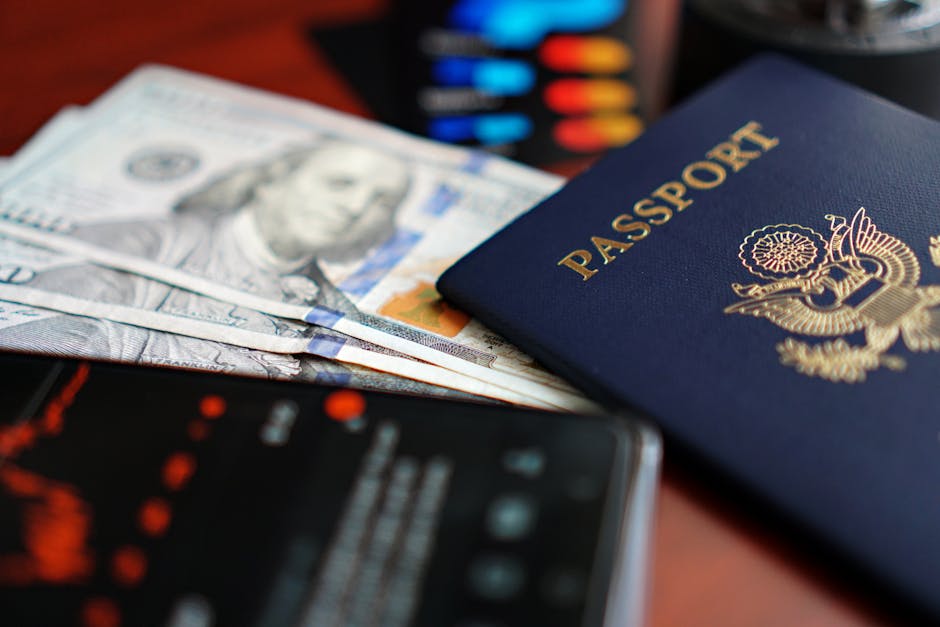
What You’re Actually Buying and What You Should Know Before You Decide (Image Credits: Pexels)
The comparison to a luxury car isn’t just a clever headline. Caribbean citizenship-by-investment programs typically start from around $200,000 to $250,000. That’s roughly what a well-equipped Porsche or Range Rover costs, and unlike a depreciating vehicle, a second passport doesn’t lose value over time. Citizenship is granted for life and can be passed down to future generations.
The citizenship-by-investment due diligence process involves comprehensive background checks, including identity verification, source of funds analysis, criminal record screening, anti-money laundering compliance, and sanctions checks. The cost of due diligence in Dominica, for instance, is $7,500 for an investor and $4,000 for each participant over 16. These costs sit on top of the core investment and should be factored in when doing any realistic budget comparison.
In October 2025, the European Parliament’s LIBE Committee approved amendments allowing the suspension of visa-free Schengen access for nationals of countries offering CBI programs, with Caribbean nations including Antigua and Barbuda, Dominica, Grenada, Saint Kitts and Nevis, and Saint Lucia potentially affected. In response, these five nations are implementing the Eastern Caribbean Citizenship by Investment Regulatory Authority (ECCIRA), a regional body designed to harmonize standards and reinforce program integrity. The regulatory environment is evolving, and that context matters.
According to the European Commission’s Seventh Report under the Visa Suspension Mechanism, these jurisdictions have collectively issued over 100,000 passports since 2014, with a rejection rate of roughly three percent, a testament to the programs’ integrity and due diligence. A three percent rejection rate across more than 100,000 applications is a meaningful signal. These aren’t back-door arrangements. They’re legally structured, internationally reported programs operating under national law.
The passport pivot, as some in the investment migration world now call it, reflects a broader recalibration of how mobile, globally minded individuals think about asset allocation. A luxury car depreciates the moment it leaves the showroom. A well-chosen second passport, in many cases, quietly appreciates in value every time a border opens a little wider.
About the author
Marcel Kuhn
Marcel covers emerging tech and artificial intelligence with clarity and curiosity. With a background in digital media, he explains tomorrow’s tools in a way anyone can understand.