
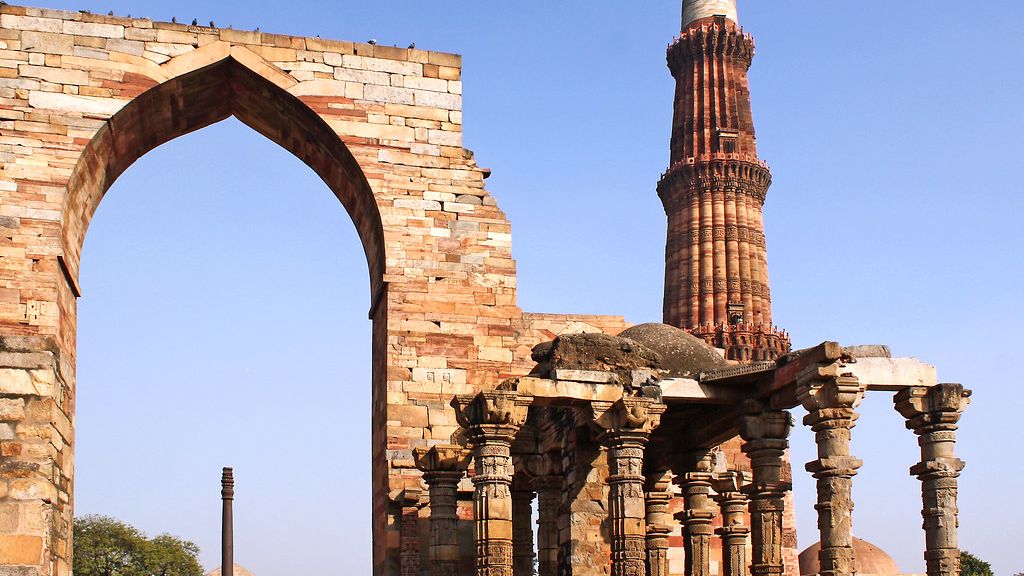

Most iron left outdoors for a decade looks tired. Leave it for a century and it crumbles. Yet standing in the courtyard of a 13th-century mosque in New Delhi is a column of iron that has been exposed to monsoons, dust, heat, and pollution for roughly sixteen centuries, and it still refuses to rust in any meaningful way.
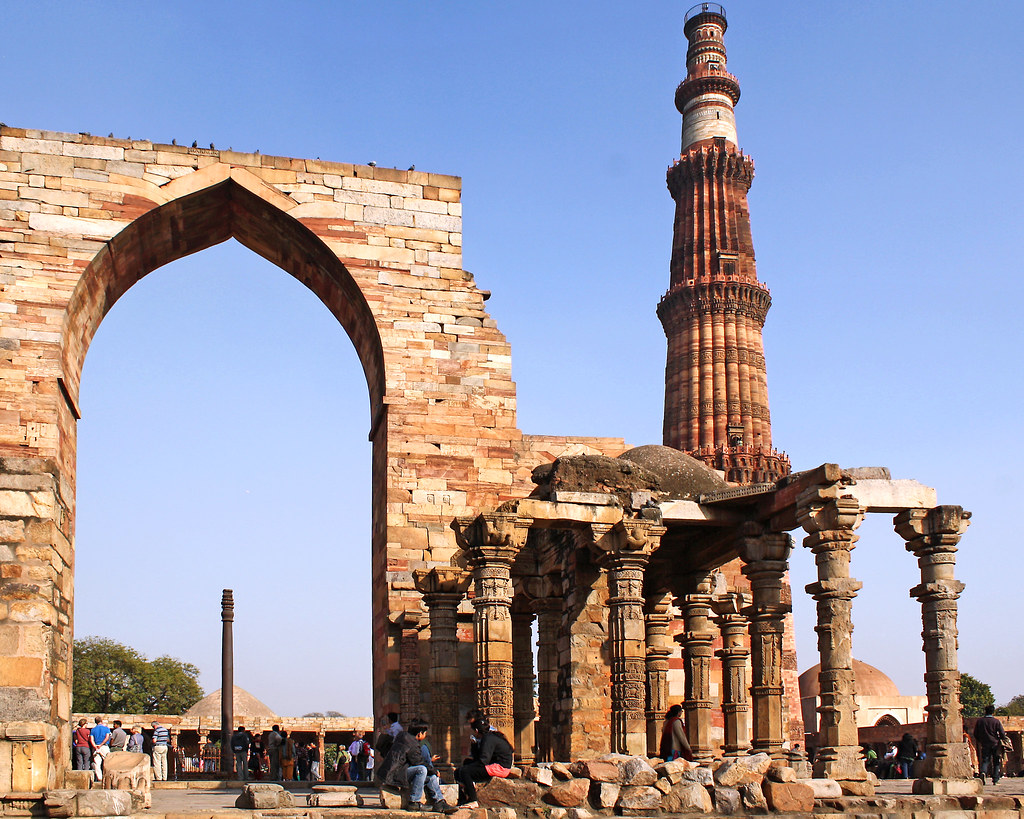
Visitors to the courtyard of the Quwwat-ul-Islam Mosque will immediately spot an imposing 7.2-meter, six-ton iron pillar with a decorative top that is even older than the complex surrounding it. It draws metallurgists, historians, tourists, and the occasionally bewildered passerby, all of them asking some version of the same question: how is this still standing?
A Monument Born of the Gupta Era

The Iron Pillar of Delhi rises above the central courtyard of the Qutb Minar complex in Mehrauli, famous for being relatively rust-free despite having been created more than 1,600 years ago, around 400 CE. The six-ton pillar was made during the Gupta period, likely at Udayagiri in what is now the state of Madhya Pradesh.
The pillar bears an inscription in Sanskrit in Brahmi script dating to the 4th century AD, which indicates that it was set up as a Vishnudhvaja, a standard of god, on a hill known as Vishnupada, in memory of a mighty king named Chandra, believed to be Chandragupta II.
According to one widely circulated account, the pillar was erected in the Varah Temple of the Udayagiri Caves near Vidisha in Madhya Pradesh as a victory monument dedicated to the Hindu deity Lord Vishnu. It is said to have once borne a statue of Garuda, the mythical eagle mount of Vishnu, on its top, though this figure has been lost to history.
The Pillar’s Physical Scale and Design
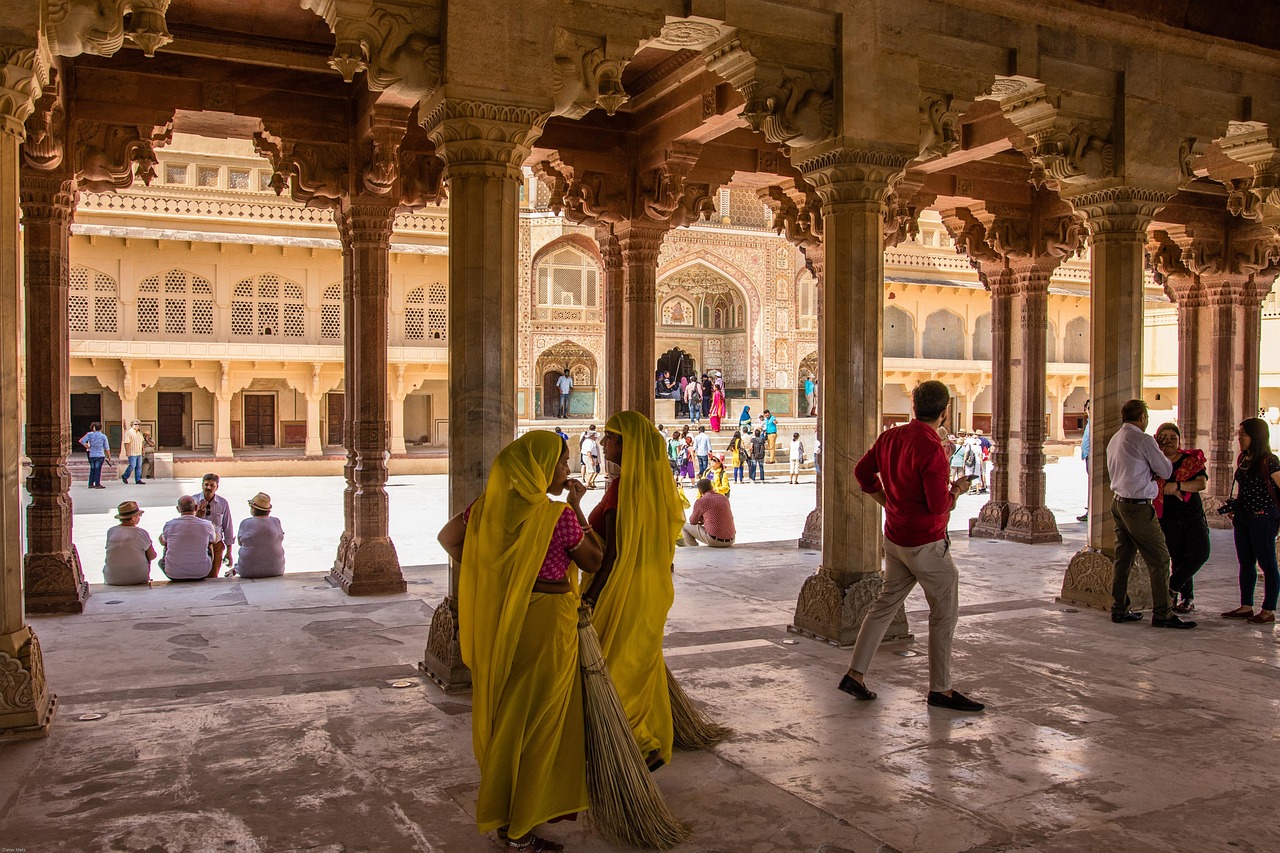
The Iron Pillar weighs 6.5 tonnes, stands 7.3 metres tall, and has a slightly tapering shaft with an ornate abacus that was once topped by an animal capital. These are not modest numbers for any era, let alone the fifth century.
The pillar at Mehrauli has a height of 7.2 meters, stands on an artistically carved base with a diameter of 48 cm, and weighs 6.5 tonnes. The upper part narrows slightly, measuring around 29 cm wide at the tip.
The pillar bears testimony to the fact that iron workers were experts in cementing and forge-welding small pieces of iron to shape such large objects, a technique that was uncommon to the western world in that era. To make the Delhi Iron Pillar, it is estimated that at least 200 furnaces of typical 40 kg capacity would have operated in tandem.
The Inscriptions That Survived the Centuries
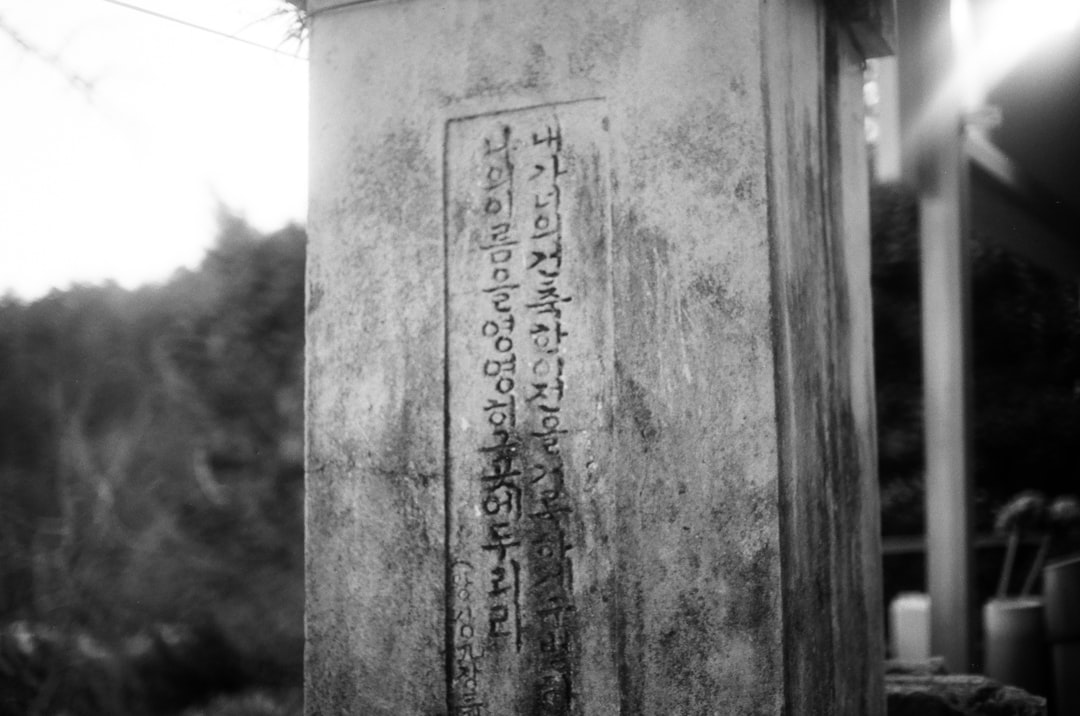
The pillar carries a number of inscriptions of different dates. The oldest inscription is that of a king named Chandra, generally identified as the Gupta emperor Chandragupta II.
The inscription on the pillar is a Sanskrit eulogy that many scholars believe was engraved by the Gupta emperor Chandragupta II, dating to around 375 to 415 CE. Scholars reached this conclusion due to the design of the script on the pillar and the type of characters used, a field known as paleography.
The ancient writing is preserved well because of the corrosion-resistant iron on which it is engraved. That detail alone speaks volumes. The pillar has not merely survived as a lump of metal; it has preserved its own historical record almost perfectly intact.
How It Was Made: The Forge-Welding Technique
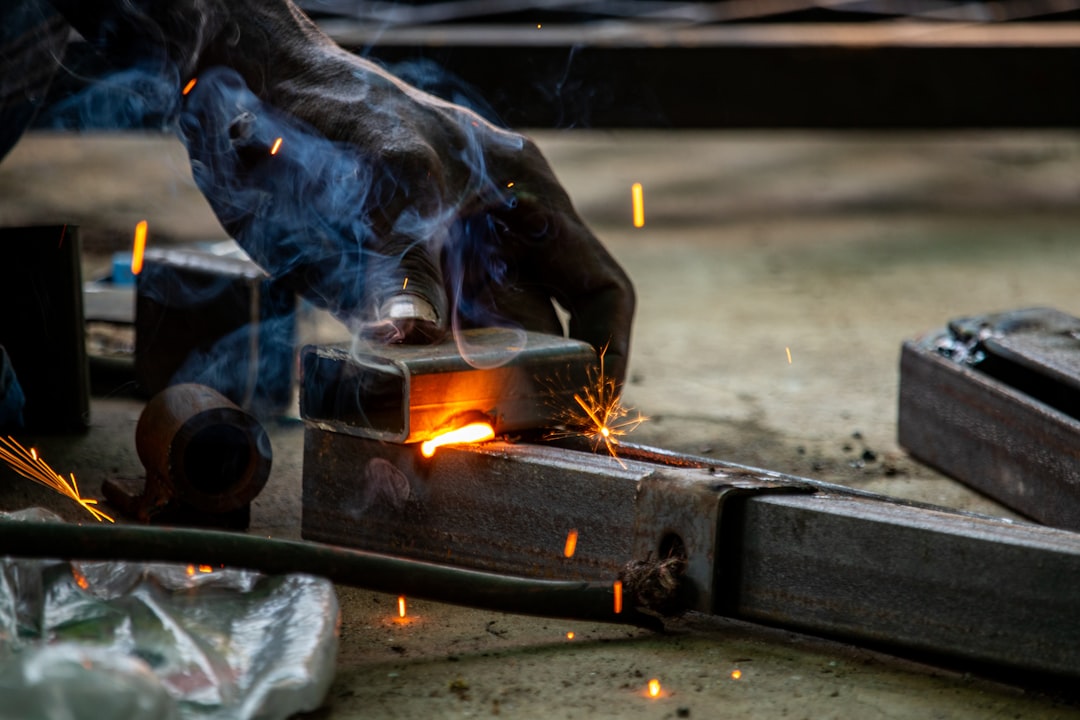
The pillar was likely created in a horizontal position using the forge-welding technique. This method involved using intense heat to combine lumps of iron weighing 40 to 50 pounds apiece.
Experts found that the pillar, primarily made of wrought iron, has a high phosphorus content of about one percent, and lacks sulfur and magnesium, unlike modern iron. Ancient craftsmen used a technique called forge-welding, meaning they heated and hammered the iron, keeping the high phosphorus content intact, a method uncommon in modern practices.
Ancient Indian metallurgists mastered precise temperature control at around 1,200 degrees Celsius, controlled impurity levels, and forge-welding techniques that created a homogeneous iron structure more durable than many modern alternatives.
The Chemical Secret: What the Iron Is Actually Made Of
The artifact consists largely of iron, with small amounts of phosphorus at 0.25 percent, carbon at 0.15 percent, manganese at 0.05 percent, nickel at 0.05 percent, silicon at 0.05 percent, copper at 0.03 percent, nitrogen at 0.02 percent, and sulfur at 0.005 percent.
The absence of lime in the slag and the use of specific quantities of wood with high phosphorus content during the smelting induced a higher phosphorus content, averaging around 0.25 percent, compared to modern iron produced in blast furnaces, which usually contains less than 0.05 percent.
The ancient Indian smiths did not add lime to their furnaces. In modern blast furnaces, the use of limestone yields pig iron that is later converted into steel, and in this process, most phosphorus is carried away by the slag. That seemingly small omission turned out to be enormously consequential.
The Invisible Shield: How the Protective Film Actually Forms
In a report published in the journal Current Science, R. Balasubramaniam of IIT Kanpur explains how the pillar’s resistance to corrosion is due to a passive protective film at the iron-rust interface.
The high phosphorus content and its particular distribution are essential catalysts in the formation of a passive protective film of misawite, an amorphous iron oxyhydroxide that forms a barrier by adhering at the interface between metal and rust.
In 1,600 years, this film has grown just one-twentieth of a millimetre thick. Remarkably thin, yet apparently indestructible. The critical factor contributing to the superior corrosion resistance is the formation of iron hydrogen phosphate hydrate as a thin layer next to the metal-to-metal-oxide interface. The formation of the crystalline modification of this phosphate from the amorphous form is aided by alternate wetting and drying cycles. The rate of corrosion is further lowered due to the low porosity content of the crystalline phosphate phase.
Delhi’s Climate as an Unlikely Accomplice

There is a climatic explanation as well: Delhi’s relative humidity stays under 70 percent for most of the year, which is consistent with low levels of rust. The weather data on which this climatic information is based were collected in a relatively short span of time from 1930 to 1960, which is inadequate for determining climatic conditions over the full span of the pillar’s existence. The climate of the original location should also be considered.
The mild environment of Delhi is a contributing factor, but not the sole factor for the excellent corrosion resistance of the pillar.
The environmental conditions in Delhi, with its hot and dry spells and brief but intense monsoon season, contribute to the formation and maintenance of this protective layer. The constant wetting and drying cycles help to form this rust-resistant film.
A Pillar That Survived Cannonballs and Conquest
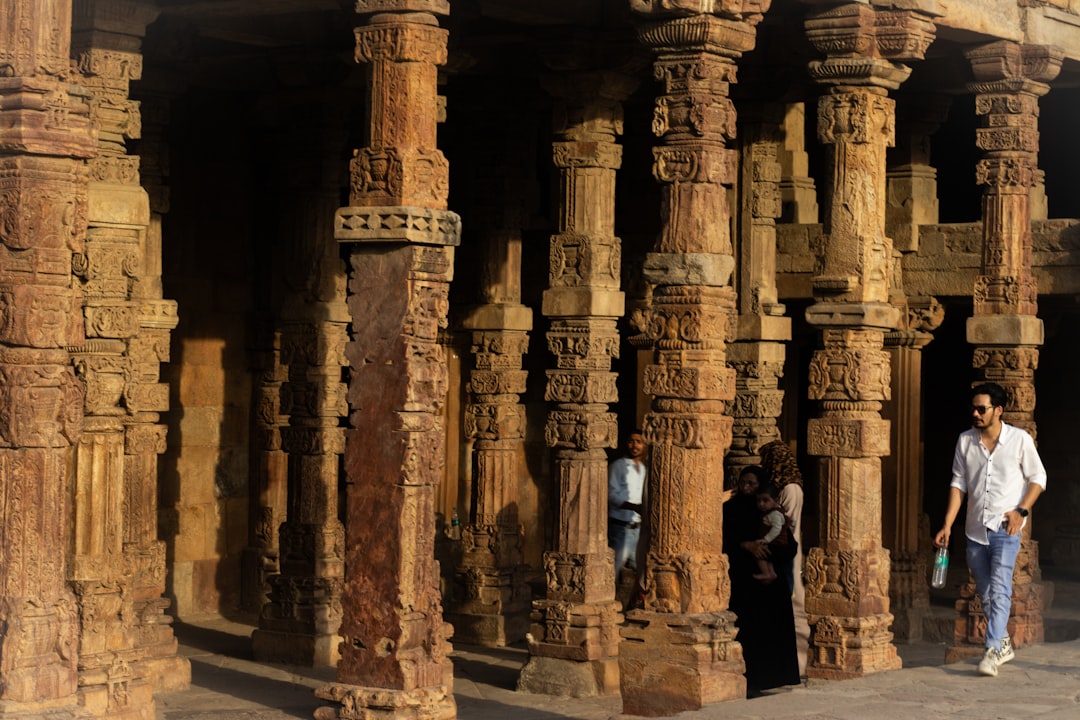
The pillar weighs more than six tonnes and is thought to have been erected elsewhere, possibly outside the Udayagiri Caves, and moved to its present location in the 11th century. It was installed as a trophy in building the Quwwat-ul-Islam mosque and the Qutb complex in the 13th century.
A significant indentation on the middle section of the pillar, approximately 4 meters from the current courtyard ground level, has been shown to be the result of a cannonball fired at close range. The impact caused horizontal fissuring of the column in the diametrically opposite area, but the column itself remained intact. Historians generally agree that Nadir Shah is likely to have ordered the pillar’s destruction during his invasion of Delhi in 1739, as he would have considered a Hindu temple monument undesirable within an Islamic mosque complex.
Myths, Legends, and the Wish-Granting Tradition
According to one legend, if you stand with your back against the pillar and wrap your arms around it, making sure your fingers touch each other, your wish will come true, a tradition that imbues the pillar with spiritual significance beyond its historical value.
Some historical records credit notable figures like Raja Anangpal of the Tomar dynasty, and Muslim rulers such as Iltutmish and Qutbuddin Aibek, for the relocation of the pillar to the Qutb complex.
The Archaeological Survey of India has put a fence around the pillar to minimize human impact. The wish-making tradition became a victim of its own popularity. Years of visitors pressing against and touching the metal surface left real marks, and conservation needs eventually won out over folklore.
What Modern Science Still Can’t Fully Replicate
Contemporary metallurgists have attempted to recreate the pillar’s unique properties with mixed results. While we can analyze its composition precisely using modern techniques, reproducing the exact forging conditions remains challenging. The ancient process required sustained high temperatures, precise timing, and coordinated teamwork that is difficult to replicate in modern industrial settings.
The findings provide valuable insights into modern alloy design, corrosion-resistant material development, and heritage conservation. Future research should focus on long-term corrosion modeling, microstructural analysis of lesser-characterized artifacts using advanced techniques, and the application of ancient metallurgical principles to contemporary materials engineering for the development of sustainable, durable alloys.
Conservation architect and heritage expert Pragya Nagar has praised the efforts to preserve the pillar within the complex, despite the surrounding constructions being demolished and rebuilt over the years. She suggests that by studying the ancient techniques used to create the pillar, modern methods could be developed to create sustainable alternative materials.
Why This Pillar Still Matters in 2026
Ancient Indian iron artifacts have always fascinated researchers due to their excellent corrosion resistance, but the scientific explanation of this feature remains to be fully elucidated. That sentence, from a 2021 study published in Scientific Reports, captures exactly where things stand today.
Long before stainless steel, titanium alloys, or space-age polymers, Indian metallurgists in the 5th century created an iron blend that could endure sixteen centuries of monsoons without flinching. Modern metallurgy still has not recreated the exact composition and resilience of the Delhi Iron Pillar.
The Iron Pillar is considered one of the greatest achievements in ancient engineering and metalworking, due to the tremendous technical skill employed in its construction, as well as the exceptional qualities of the iron. It represents the integration of science and technology in building a structure that has remained virtually rust-free despite humidity, pollution, and other environmental factors for over 1,600 years.
There is something quietly instructive about a pillar that outlasted the empire that built it, the mosque that tried to repurpose it, and the invader who fired a cannonball at it. It did not survive through luck or mystery. It survived through the deep, careful knowledge of people who understood their materials far better than later generations gave them credit for. That, perhaps, is the real story worth telling.