


1. The Magnesium Gap Nobody Talks About

About 57% of the US population does not meet the US Recommended Dietary Allowance for dietary magnesium intake. That’s not a fringe statistic – it reflects a widespread nutritional blind spot in modern diets. Globally, an estimated 2.4 billion people, or roughly 31% of the global population, fail to meet the recommended magnesium intake levels.
Magnesium is an essential mineral required for energy metabolism, glucose regulation, cardiovascular function, bone integrity, and neural activity. Despite its vital physiological roles, dietary magnesium deficiency remains a widespread and underrecognized global public health concern. When it comes to the brain specifically, the gap becomes even more significant than most people understand.
Magnesium plays a key role in neurological functioning and manifestations. Yet even people who are actively supplementing may be missing the mark entirely because the form of magnesium they’re taking simply wasn’t designed to reach the brain.
2. Why Most Magnesium Supplements Don’t Work for the Brain
Most magnesium compounds available on the market have low bioavailability and do not lead to increased magnesium levels in the brain because they cannot cross the blood–brain barrier easily. This is the core failure point that most supplement labels never mention. You can take magnesium oxide, citrate, or glycinate and still have a brain that’s running low.
Magnesium plays a vital role in supporting the nervous system, yet most forms of magnesium have limited ability to reach the brain in meaningful concentrations. The distinction between systemic magnesium and brain magnesium is important, and largely ignored by the supplement industry. Your brain can remain magnesium-deficient even as your body’s magnesium levels normalize.
Most common supplements like magnesium oxide or citrate have limited impact on brain magnesium levels. The brain tightly regulates what crosses the blood–brain barrier, so only certain compounds enter neural tissue efficiently. That regulatory gatekeeping is precisely why the form of delivery matters so much.
3. The Blood-Brain Barrier: Your Brain’s Selective Checkpoint
The finding that magnesium levels are reduced in acute and chronic brain diseases has led to a recent surge in interest in the role of magnesium in the normal and injured nervous system, although the mechanisms of magnesium decline in pathological conditions and its availability in the neural tissue after administration are not fully understood. This complexity is part of why delivering magnesium to the brain is not as simple as just swallowing more of it.
The brain has two main barrier systems: the blood-brain barrier formed by brain capillary endothelial cells which separate the blood from the extracellular fluid in the neuropil, and the blood-CSF barrier formed by choroidal epithelial cells which separate the blood from the CSF. These systems are designed to protect neural tissue – but they also block most forms of magnesium from getting through in useful amounts.
Although preclinical studies suggest that magnesium has potential neuroprotective effects, translating these findings to humans presents numerous challenges. Differences in metabolism, blood-brain barrier permeability, and magnesium bioavailability between humans and animal models may affect its efficacy in clinical settings. This gap between promising science and real-world outcomes is exactly why the delivery compound matters.
4. The MIT Discovery That Changed Everything

In a 2010 publication in the journal Neuron, scientists from the Massachusetts Institute of Technology reported their discovery of a magnesium compound called magnesium L-threonate that can effectively deliver magnesium to brain cells. The implications were significant. For the first time, researchers had a form of magnesium that could actually penetrate the brain’s defenses and raise magnesium concentrations in neural tissue.
In 2010, this novel magnesium compound, magnesium L-threonate, was identified and was shown to raise the magnesium levels in the brain and neurons effectively. The key compound enabling this was L-threonate – a derivative of vitamin C metabolism – acting as a molecular escort for the mineral.
Threonate is a derivative of threonic acid, a compound produced when vitamin C is metabolized. It binds with magnesium to form magnesium L-threonate. This connection improves magnesium’s bioavailability and enables it to reach the brain more efficiently than other forms. The science behind why it works is grounded in how this unique pairing exploits specific transport systems in the blood-brain barrier.
5. L-Threonate: The Delivery Compound That Makes It Work

The proposed mechanism suggests that L-threonate itself may enhance magnesium transport across the blood-brain barrier, possibly by utilizing specific transporters like glucose transporters or by altering membrane dynamics in a way that facilitates magnesium entry. While the exact transport mechanism is still under investigation, the animal data strongly indicates superior brain bioavailability for MgT compared to conventional magnesium salts.
Oral intake of magnesium L-threonate raises brain fluid levels of magnesium in rodents by 54%. That’s a substantial increase compared to conventional forms of the mineral. It suggests the threonate component is doing far more than just improving gut absorption – it appears to specifically facilitate transport across the brain’s protective barrier.
Magnesium L-threonate is positioned as a brain-targeted magnesium due to blood-brain barrier penetration and increased CNS magnesium, supporting synaptic plasticity, neuronal signaling, and cognitive function. The compound’s ability to increase central nervous system magnesium is what separates it mechanistically from every other magnesium form on the market.
6. What Higher Brain Magnesium Actually Does to Your Neurons
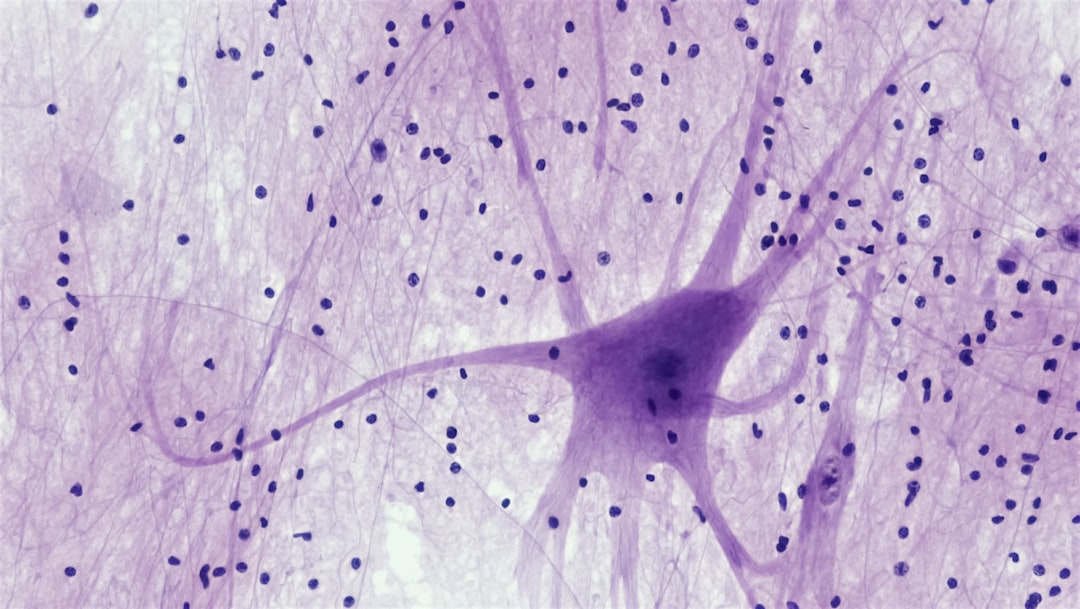
The possible mechanisms of action of magnesium L-threonate on cognitive functions is via the activation of the NMDA receptors, which leads to increased synaptic density and improved memory. These NMDA receptors are central to how neurons communicate during learning and memory formation – making their proper regulation foundational to cognitive health.
Elevation of brain magnesium led to significant enhancement of spatial and associative memory in both young and aged rats. To understand the molecular mechanisms underlying this memory enhancement, researchers studied the changes in functional and structural properties of synapses in treated rats. The NR2B-containing NMDA receptor was increased, resulting in enhancement of NMDA receptor signaling and synaptic plasticity.
Additionally, magnesium reduces neuroinflammation by blocking harmful inflammatory pathways like NF-κB and lowering chemicals like TNF-α, IL-1β, and IL-6. It also strengthens the brain’s protective blood-brain barrier, preventing toxins from entering and calming overactive immune cells that contribute to brain inflammation. In other words, more brain magnesium doesn’t just support learning – it appears to protect the brain’s underlying architecture.
7. What the Clinical Trials Are Actually Showing

Magnesium L-threonate is a promising intervention due to its brain bioavailability and effects on cognition, memory and mood. Researchers investigated MgT supplementation on sleep quality and daily function. Eighty 35–55-year-olds with self-assessed sleep problems participated in a randomized, double-blind, placebo-controlled, parallel-arm study, taking 1 g/day of MgT or placebo for 21 days.
The data showed that participants all felt sleep quality improvements, but the MgT group demonstrated significantly better results over the placebo in the behavior upon awakening subcategory, which includes alertness, coordination and balance following awakening. Published in Sleep Medicine X in 2024, the trial provided real-world confirmation of what preclinical research had long suggested.
A six-week, parallel-group, randomised, double-blind, placebo-controlled trial examined the effects of magnesium L-threonate supplementation on cognitive performance, cognitive age, sleep quality, and selected physiological indicators in adults. One hundred adults aged 18 to 45 with self-reported dissatisfied sleep were supplemented with 2 g daily of Magtein® or a placebo. Published in Frontiers in Nutrition in early 2026, this trial adds to a growing and increasingly robust evidence base.
8. The Cognitive Age Connection

New clinical research shows that magnesium L-threonate improves memory, reduces “brain age” by 7.5 years, and enhances heart rate variability. The concept of cognitive age reduction is particularly notable because it suggests the compound may not simply slow decline but measurably reverse certain markers of brain aging.
Brain-derived neurotrophic factor (BDNF) is a protein that drives neuron growth, survival and synaptic plasticity – the foundation of learning and memory. In a 2010 animal study, oral Magtein raised cerebrospinal fluid magnesium levels, leading to higher hippocampal BDNF and improved memory and learning. BDNF is widely considered one of the most important markers of long-term brain resilience.
Randomized, double-blind, placebo-controlled studies in adults associate supplementation with improved working memory, attention, reaction time, sleep quality, and reduced stress biomarkers. The breadth of these outcomes – spanning cognition, stress, and sleep – underscores just how central adequate brain magnesium appears to be for overall mental performance.
9. Where the Science Still Has Limitations

It’s worth being honest about what the research does not yet fully establish. Evidence from the limited number of randomized controlled trials was insufficient to draw conclusions on the effects of magnesium supplements broadly. Cohort studies showed inconsistent dose-response relationships between dietary magnesium and cognitive disorders, with high heterogeneity across populations.
When interpreting the available data on magnesium’s role in neurological disorders, several critical limitations must be acknowledged. There is considerable heterogeneity among studies in terms of methodology, dosage, duration of the intervention, and participant characteristics. The magnesium dosages and administrative routes also varied greatly across the included studies, which may have affected the bioavailability of magnesium.
More evidence is needed from randomized controlled trials and cohort studies that investigate the effects of different magnesium forms on various cognitive outcomes. The pathways linking magnesium and cognitive health remain unclear. The science around magnesium L-threonate is promising, but it is still evolving. Consumers should interpret the research with appropriate nuance rather than treating any single ingredient as a guaranteed cure-all.
10. Regulatory Recognition and What It Means for Consumers

Magtein is one of the best researched forms of magnesium for brain health, with more than 50 PubMed articles published on magnesium L-threonate since 2010. In November 2024, Magtein earned Novel Food status in Europe, where it is available exclusively through ThreoTech LLC. Novel Food authorization in the EU is not a trivial regulatory hurdle – it requires robust safety and efficacy documentation.
In the US, Magtein has had FDA Generally Recognized As Safe (GRAS) approval since 2012, and it’s also approved as safe for use in consumer products in Canada, Japan, Turkey, India and Thailand. That kind of multi-jurisdictional regulatory clearance provides a meaningful layer of credibility that most nootropic ingredients simply lack.
ThreoTech continues to present new clinical findings on Magtein, adding to a growing body of research supporting its role in cognitive health, sleep quality, and stress management. Magtein has become a focal point in the brain health category due to its ability to effectively deliver magnesium to the brain. This differentiates it from more common forms of magnesium and positions it as a targeted solution for consumers seeking mental performance and relaxation support.
Conclusion: The Form Is the Function
The magnesium story in brain supplements isn’t really about whether magnesium works. Most neuroscientists agree that the mineral is fundamental to how neurons communicate, form memories, and protect themselves from damage. The real question has always been whether the magnesium you’re taking actually arrives where it matters most.
For most conventional forms, the answer is: not reliably. The blood-brain barrier filters out the majority of magnesium that enters the bloodstream, leaving the brain chronically undersupplied even when serum levels appear normal. L-threonate changes that dynamic by acting as a specific carrier compound. It doesn’t just improve absorption – it changes the destination.
Supplement labels are full of promises, but the ingredient list rarely explains delivery. Knowing that distinction – between a mineral that circulates in your blood and one that actually reaches your neurons – might be the most practically useful piece of nutrition science most people have never heard of. The brain supplement market is vast. The compounds that actually reach the brain are far fewer.