Few stories in the world of anomalous artifacts have caused as much excitement and confusion as the Coso Artifact. It has all the ingredients of a mystery built to last: a remote California desert, three ordinary rock hunters, and a perfectly preserved machine component sealed inside what looked like ancient stone. The story has circulated for decades, picking up new layers of speculation with each retelling.
An out-of-place artifact, or OOPArt, is an artifact of historical, archaeological, or paleontological interest that is claimed to have been found in an unusual context, which challenges conventional historical chronology by its presence in that context. The Coso Artifact sits near the top of that category. Whether it belongs there is a different question entirely.
The Day Three Rock Hunters Made an Unusual Find
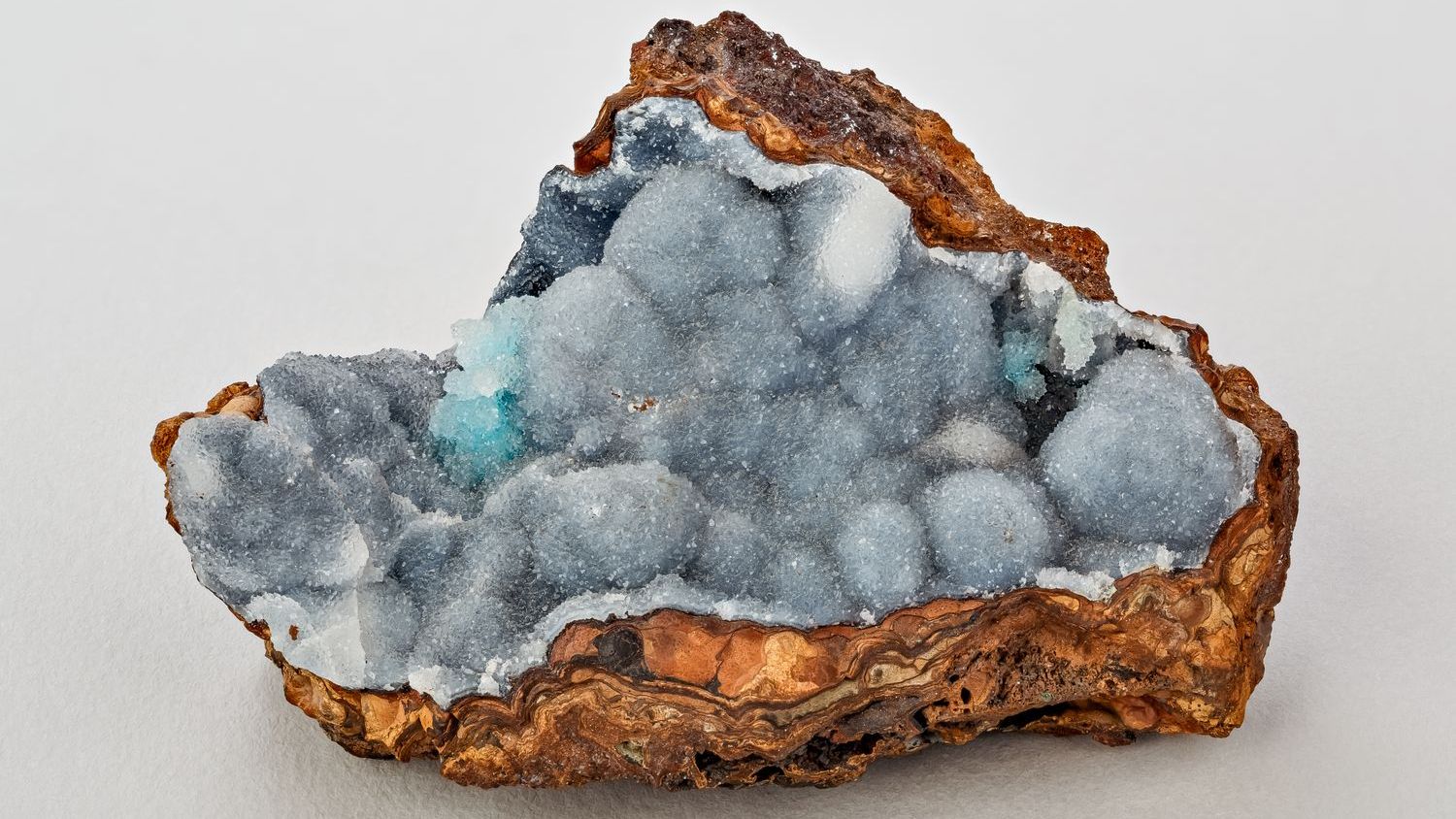
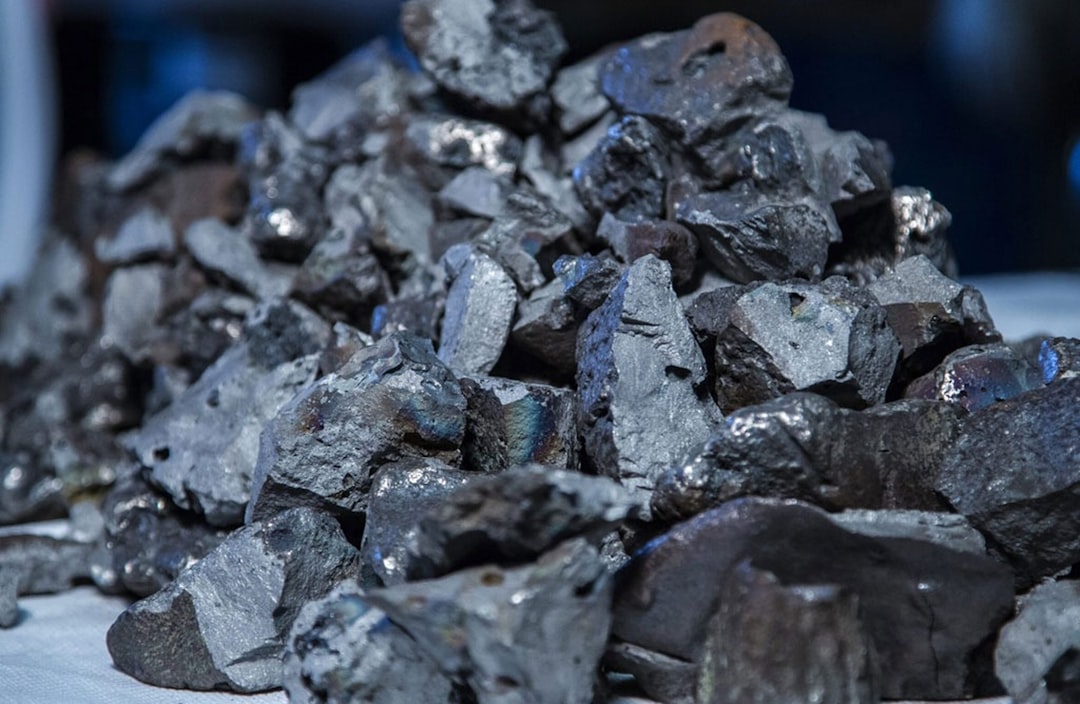
The Day Three Rock Hunters Made an Unusual Find (By CEphoto, Uwe Aranas, CC BY-SA 4.0)
On February 13, 1961, Wallace Lane, Virginia Maxey, and Mike Mikesell were seeking interesting mineral specimens, particularly geodes, for their LM&V Rockhounds Gem and Gift Shop in Olancha, California. It was an ordinary prospecting trip, the kind they had taken many times before in the dry, rugged hills east of the Sierra Nevada.
On that particular day, the trio were about six miles northeast of Olancha, near the top of a peak about 4,300 feet in elevation and about 340 feet above the dry bed of Owens Lake. They gathered what looked like a routine collection of rocks and headed back. Nothing seemed unusual until the next morning.
The following day, while processing the previous day’s finds in the shop’s workroom, Mikesell cut through what he thought was a geode and ruined an almost-new diamond saw blade in the process. Instead of finding the cavity one would expect of a geode, the cut nodule contained a perfectly circular section of very hard, white material that appeared to be porcelain. In the center of the porcelain cylinder was a 2-millimeter metal shaft that responded to magnets.
The nodule, when cut open, revealed a porcelain cylinder approximately 3 cm long surrounding a 2-mm magnetic metal shaft, layered with a hexagonal copper sheath that had partially decomposed into a green patina, along with embedded fossil shells. That detail about the shells would become one of the most contested claims attached to the whole story.
The 500,000-Year Claim and Where It Came From
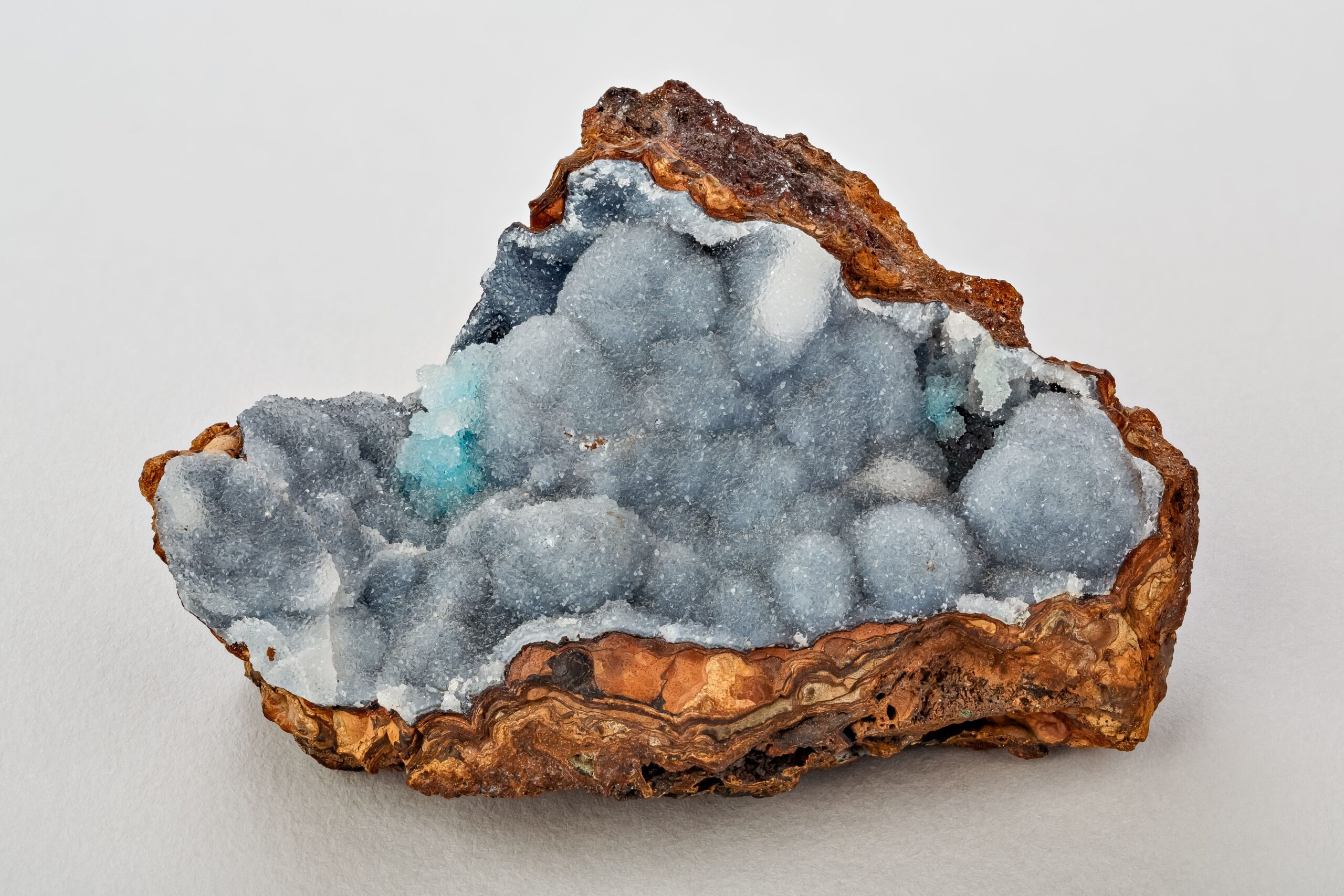
The 500,000-Year Claim and Where It Came From (James St. John, Flickr, CC BY 2.0)
A reader wrote to Desert Magazine, claiming a trained geologist had dated the object at 500,000 years old. The identity of that “trained geologist” went unsaid. That anonymous attribution was all it took. The number caught fire and became embedded in every retelling.
The artifact had been claimed to have fossil shells on its surfaces “that dated back 500,000 years,” but a University of Washington geologist could find no evidence of this claim. This raises the question of the qualifications and competency of the original alleged geologist in 1961.
The date of the Coso Artifact relies entirely on the assumption that it is a geode. The only known thorough physical examination of the Coso Artifact found that the material was too soft to be a geode. It also lacked the telltale quartz crystals found in true geodes. In other words, the foundational premise of the whole mystery turned out to be scientifically unsupported.
The find might not be so curious save for one detail: according to the original geologists involved, the object’s rock encasement, assuming it was a genuine geode, would have taken nearly half a million years to form. That single conditional claim carried enormous weight, far more than the evidence actually warranted.
What the X-Rays and Spark Plug Experts Found
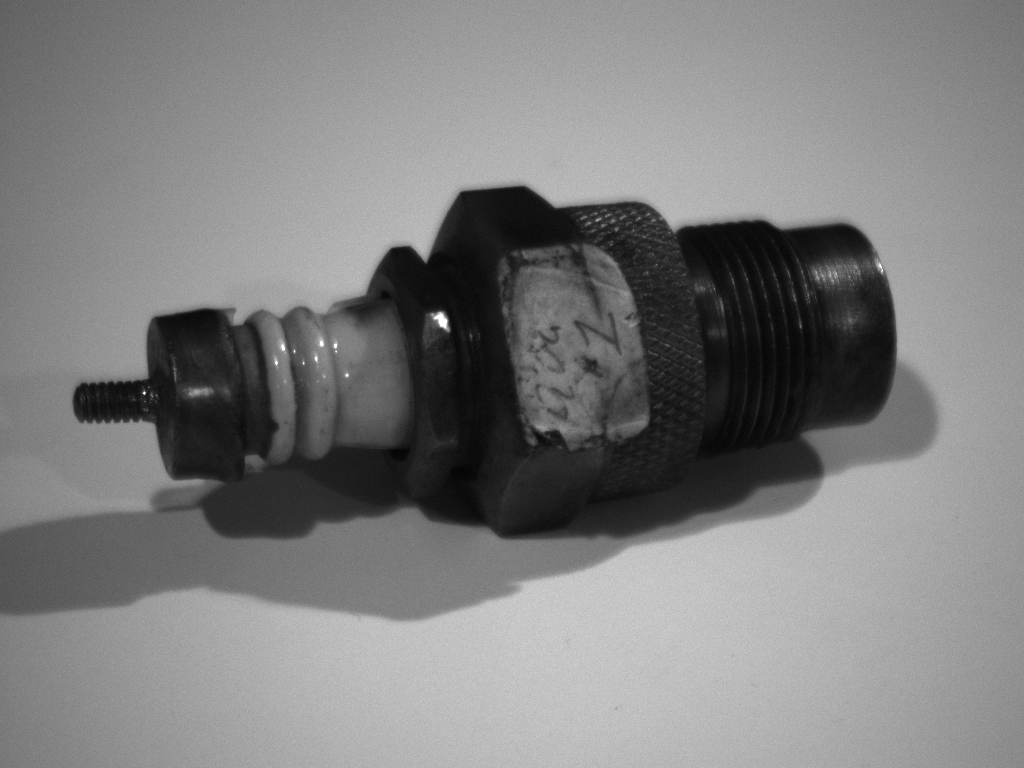
What the X-Rays and Spark Plug Experts Found (By Cristellaria, CC BY-SA 3.0)
An investigation by Pierre Stromberg and Paul Heinrich, using x-rays taken of the object with the help of members of the Spark Plug Collectors of America, identified the artifact as a 1920s-era Champion spark plug, widely used in the Ford Model T and Model A engines. This was not a tentative guess. It was a precise, confirmed identification.
Those who claim the spark plug could be an antique point to a rib at the top of the object, which is not part of modern spark plugs. Based on the analysis, it was clarified that in the 1920s the Champion spark plug was made with a “brass hat” corresponding to the rib, although this part was not included in later designs. That detail removed one of the last footholds for skeptics of the identification.
The so-called “nail” and “washer” noted in the original articles were determined to be the brass “top hat” and central metal shaft of the 1920s Champion spark plug. Component by component, every unusual feature that had fueled speculation turned out to match a known industrial object from the early twentieth century.
In April 2018, the family of one of the original finders allowed Stromberg to conduct another examination by a geologist at the University of Washington. The initial conclusion was confirmed. The item is a 1920s spark plug encased in iron oxide. Two separate investigations, decades apart, reached the same conclusion.
The Geology of Concretions: How Rock Forms Around Metal
The Geology of Concretions: How Rock Forms Around Metal (Image Credits: Unsplash)
Stromberg and Heinrich’s report indicates that the spark plug became encased in a concretion composed of iron derived from the rusting spark plug itself. Iron and steel artifacts rapidly form iron-oxide concretions as they rust in the ground. The outer casing was never ancient stone. It was the spark plug’s own corrosion, hardened around it over time.
Detailed studies have demonstrated that concretions form after sediments are buried but before the sediment is fully lithified during diagenesis. Concretions typically form around a solid core called a “nucleus.” This core is often composed of organic material, such as a leaf, tooth, piece of shell, or fossil. A mineral solution then precipitates around the nucleus and cements sediment around it. A metal spark plug is a perfectly capable nucleus for exactly this kind of process.
High winds carry corrosive mineral dust from nearby dry lake beds, such as Owens Lake, depositing salts and clays that enhance precipitation around foreign nuclei like discarded metal objects. Similar twentieth-century concretions have been observed forming rapidly in desert settings, including case hardening in drainage ditches in New Mexico and agricultural fields in Algeria between 1939 and 1945, demonstrating the process’s speed in arid soils.
Because of the variety of unusual shapes, sizes and compositions, concretions have been interpreted to be dinosaur eggs, animal and plant fossils, extraterrestrial debris, or human artifacts. The Coso case is a near-perfect illustration of that human tendency to project meaning onto unfamiliar natural formations.
The Volcanic and Geothermal Landscape of the Coso Region
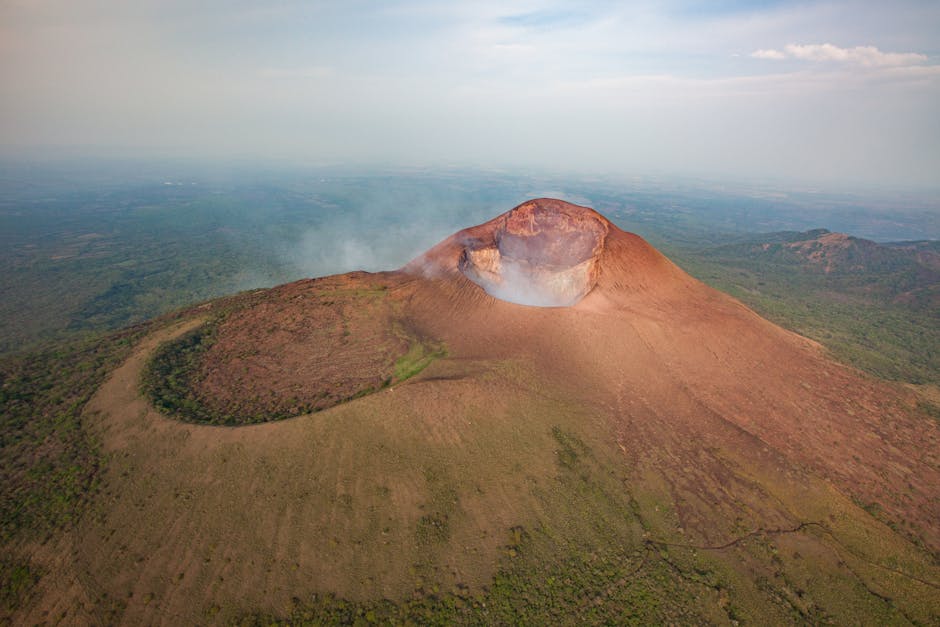
The Volcanic and Geothermal Landscape of the Coso Region (Image Credits: Pexels)
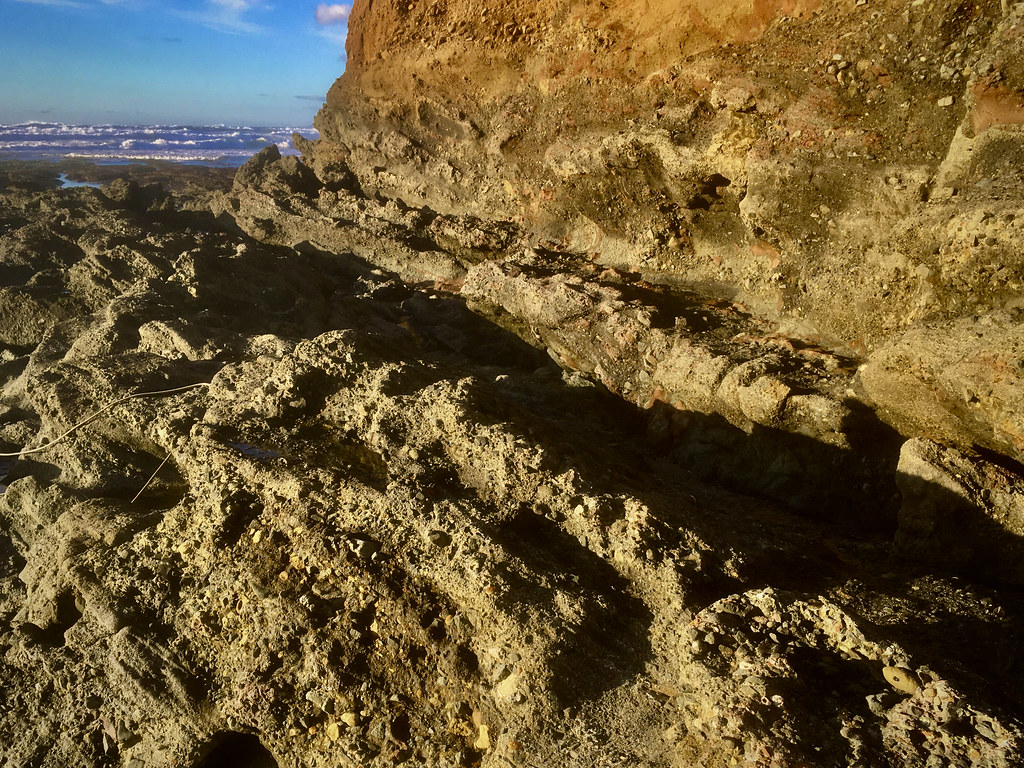
The physical setting of the discovery is worth understanding on its own terms. The Coso volcanic field is located east of the Sierra Nevada between Owens Valley and the Garlock fault in southern California within the present-day Basin and Range province. It is one of the geologically active areas of the American West.
Volcanism began in the Coso Range approximately 6 million years ago, and the earliest basaltic lava flows are tilted, indicating that the start of volcanism in the area preceded the onset of faulting associated with Basin and Range extension. Heat, groundwater circulation, and mineral-rich soils have long characterized this terrain.
The Coso Volcanic Field is one of the most seismically active regions in the United States, producing dozens of tremors in the M1 and M2 range each week. Tremors in the M3 range occur at a rate of two to six per month, and M4 quakes occur two to three times each year. This kind of ongoing geothermal and seismic activity creates exactly the kind of conditions that accelerate mineral deposition around buried objects.
The Coso field covers approximately 400 square kilometers and is home to one of the largest producers of geothermal power in the United States, with an output sufficient to supply the needs of roughly 270,000 homes. The same underground heat that now generates electricity once quietly cooked mineral deposits around a rusting spark plug.
The OOPArt World and Why These Stories Persist
The OOPArt World and Why These Stories Persist (Tilemahos Efthimiadis, Flickr, CC BY 2.0)
Out-of-place artifacts, or OOPArts, are objects that appear to contradict our understanding of technological development in ancient civilizations. These historical oddities have captivated public imagination for decades, spawning countless theories about advanced prehistoric technology, ancient aliens, and lost civilizations with sophisticated engineering capabilities.
Many OOPArts turn out to be misidentified natural formations, modern objects that have become mineralized more quickly than expected, or legitimate ancient items whose purpose has been misunderstood or sensationalized. The Coso Artifact ticks two of those boxes at once: a modern object, mineralized quickly, and wildly misunderstood.
Though the Coso Artifact has been deemed to be an object of more humble origins, the cultural impact of the artifact cannot be denied. It is a hallmark of the young-earth creationist, ancient astronaut, and pseudoarchaeological communities. It played a significant role in the birth and popularization of the OOPArts movement of the latter half of the twentieth century, which even now continues to enjoy considerable attention.
Claimed OOPArts have been used to support religious descriptions of prehistory, ancient astronaut theories, and the notion of vanished civilizations that possessed knowledge or technology more advanced than that known in modern times. Proponents of OOPArts also hint at the existence of an “alternative history,” and authors whose works provide such explanations are popular within conspiracy circles. The Coso Artifact is a textbook example of how a mundane discovery can be reshaped into a cultural phenomenon.
The Lost Artifact and the Limits of Investigation
The Lost Artifact and the Limits of Investigation (Tilemahos Efthimiadis, Flickr, CC BY 2.0)
There is a particular irony built into this whole story. In 1999, a skeptic group took images and X-rays of the so-called ancient artifact, the real thing having been lost some time in the later 1960s, to spark-plug collectors. The actual object vanished from the historical record remarkably early, leaving researchers to work from photographs and secondary documents.
The little analysis undertaken found that the material around the plug was far too soft to be a geode. The item has since disappeared, rendering any further tests impossible, but it is now thought more likely that no such geode ever existed. A comprehensive radiometric dating test was never done, partly because no verified scientist willing to stake their reputation ever had a chance to examine the original.
The geologist was never named, and the current whereabouts of the artifact are unknown. That combination of an anonymous authority and a missing object makes definitive closure impossible, which, perhaps not by coincidence, keeps the story alive in fringe circles.
It was possibly used in the mining operations conducted in the Coso mountain range. The Coso area has a documented history of mining activity from the early twentieth century, providing a completely ordinary explanation for how a 1920s spark plug ended up buried in those hills in the first place.
What Science Actually Requires to Confirm an Ancient Object
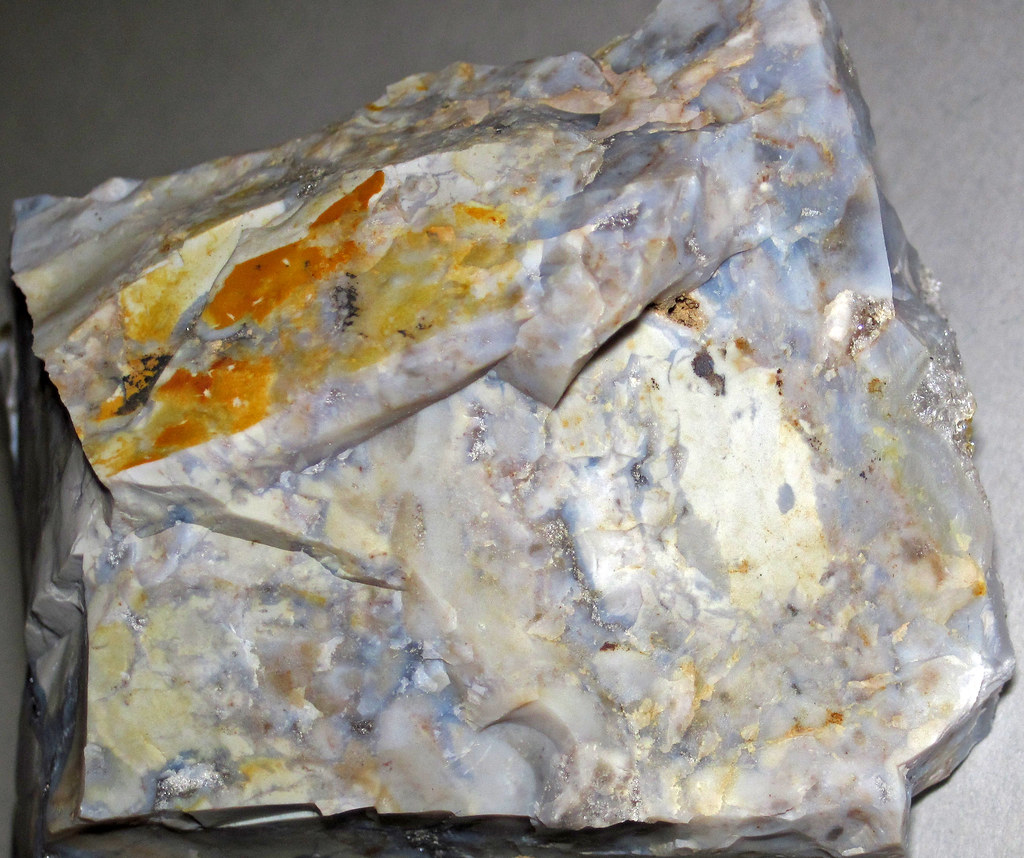
What Science Actually Requires to Confirm an Ancient Object (Pete Tillman, Flickr, CC BY-SA 2.0)
The Coso case highlights something important about how age claims work in archaeology and geology. Radiometric dating measures radioactive isotope decay in organic materials to determine artifact age. Carbon-14 dating identifies artifacts up to 50,000 years old, while potassium-argon dating extends to millions of years. Neither method was ever reliably applied to the Coso Artifact.
It is often argued that OOPArts are there to support a particular viewpoint, or perhaps purely to garner publicity. Rather than employing conventional methods like carbon dating and stratigraphy to place finds in a temporal context, they are either misinterpreted or simply the result of intentional hoaxes. The Coso case appears to have been genuine misinterpretation rather than deliberate fraud.
Researchers concluded that it was a modern spark plug encased in a quick-forming concretion rather than a geode. Stromberg and Heinrich noted that “there is little hard evidence that the original discoverers intended to deceive anyone.” The three rock hunters almost certainly believed what they said. They simply lacked the geological training to recognize what they had found.
Most OOPArts are explainable by misdating, misidentification, modern intrusion, or independent invention. The strongest claims fail to meet the rigorous, multi-disciplinary standards required to revise history. The absence of paradigm-shifting OOPArts reflects the high evidentiary bar, not a conspiracy to suppress inconvenient facts. This is perhaps the most useful frame for understanding the Coso Artifact in its broader context.