


The Pattern You Keep Repeating (Even When You Know Better)

Research consistently shows that somewhere between three fifths and seven tenths of people report repeating similar dynamics in their romantic relationships, often gravitating toward partners who mirror the emotional traits of people they’ve been with before. It’s not a character flaw. It’s the brain doing what it was built to do: default to familiar territory.
Some explanations in relationship science point to proximity and repeated interactions as drivers of attraction, and the “mere exposure effect” demonstrates that repeated contact with a person can actually heighten attraction over time. Apply this to relationship cycles, and it becomes clear why even painful dynamics can feel oddly comfortable. Familiarity registers as safety in the nervous system, even when the situation is far from safe.
The repetition compulsion is not exclusive to romantic relationships. It is a natural human behavior that compels people to repeat past trauma, a concept first described by Freud as “the desire to return to an earlier state of things.” For most of us, that “earlier state” begins with the emotional blueprints of childhood, long before we ever had a first date.
Why Your Brain Chooses the Familiar Over the Healthy
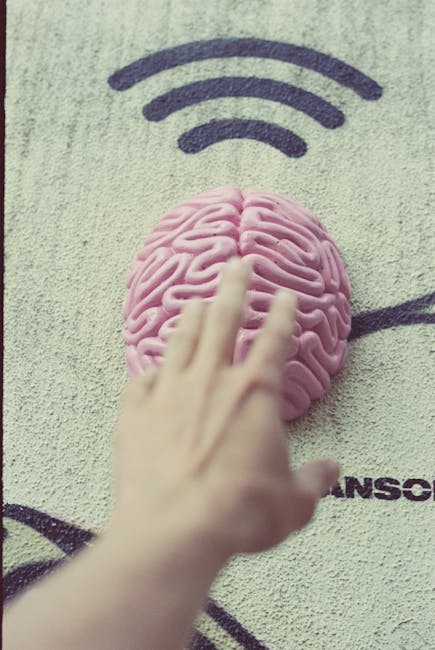
The human brain is wired for pattern recognition. It processes an enormous amount of sensory and social data every day, so it relies heavily on shortcuts. In relationships, those shortcuts are built from early emotional experiences, and the brain applies them automatically, often without your conscious awareness or consent.
Bowlby posited that early interactions with primary caregivers form internal working models that guide future relational behaviors. These internal models become default filters through which we interpret new partners, new conflicts, and new moments of vulnerability. When a new partner triggers something familiar, the brain doesn’t always signal warning. Sometimes it signals recognition, and the two can feel identical in the moment.
Early relational patterns are often passed down from one generation to the next, shaping not only individual emotional regulation but also caregiving behavior. This is worth sitting with. The loop you’re in might not have started with you at all.
Attachment Styles: The Hidden Director of Your Love Life

Of all the psychological frameworks that help explain repeating relationship patterns, attachment theory remains one of the most practically useful. The variation in adult attachment is ultimately dictated by what was emotionally expressed during childhood, and the different ways one learns to cope with anxiety-producing events. These coping strategies follow us quietly into every adult relationship we form.
Anxious-ambivalent individuals are prone to emotional extremes. They try to cope with their insecurities by seeking warm relationships, yet also harbor a great deal of resentment, which undermines the need for connection and causes emotional attachments to dissolve. These individuals seem to move toward attachment figures in a seemingly endless cycle of love and anger. This is one of the clearest descriptions of what a relational time loop actually looks like from the inside.
Research confirms that individuals with attachment styles linked to confidence score significantly higher in psychological well-being, compared to people with attachment styles characterized by discomfort with closeness, need for approval, or preoccupation with relationships. Secure attachment isn’t just a personality trait. It’s a measurable predictor of whether someone’s relationships tend to improve over time or stagnate.
The Dopamine Trap: When Pain Feels Like Passion
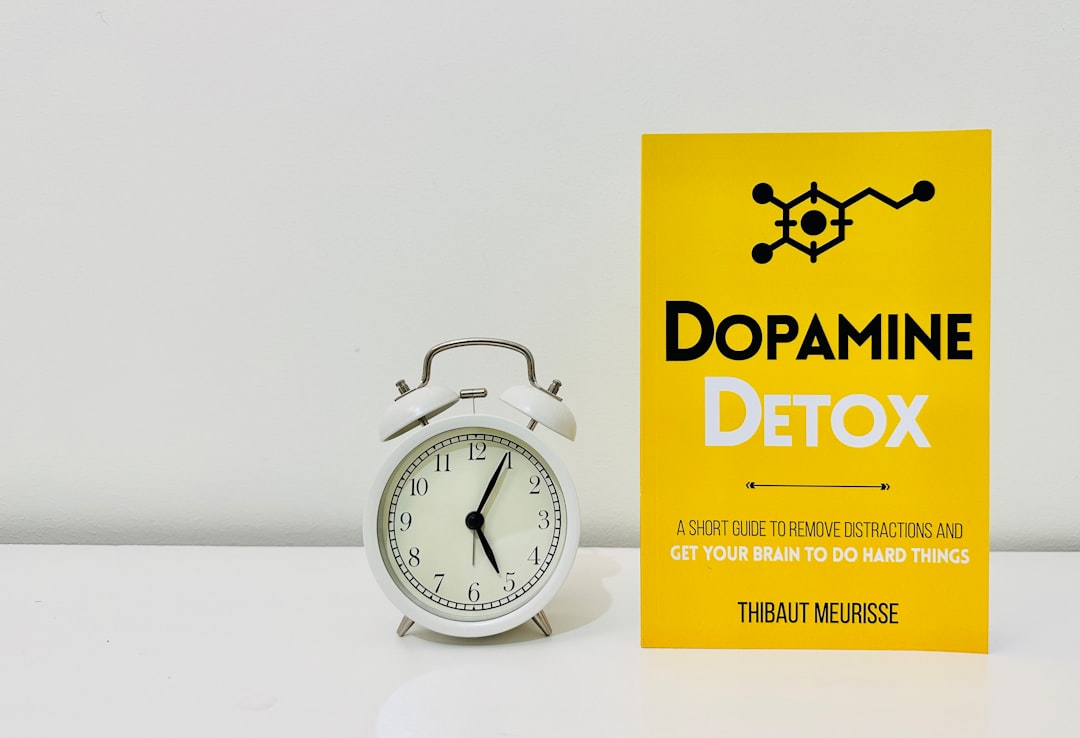
There’s a neurological reason why toxic or intense relationship dynamics can feel addictive. The brain’s dopamine reward system, designed to reinforce behaviors that once provided pleasure or relief, doesn’t easily distinguish between healthy intensity and harmful instability. Both can register as exciting. Both can keep you coming back.
Modern dating apps employ the same psychological mechanisms used in gambling and social media to keep users engaged. The intermittent reinforcement of matches, the endless scroll of potential partners, and the quantification of attractiveness through likes have transformed romance into a game where the house always wins. The same intermittent reinforcement dynamic plays out in turbulent relationships too. Hot and cold behavior, unpredictable affection, and emotionally volatile partners can all trigger the same neurological response as a slot machine.
The cruel irony is that calm, stable love can feel underwhelming at first to someone conditioned by chaotic relationships. Stillness gets misread as lack of chemistry. What actually reads as “boring” in early dating is sometimes just the absence of anxiety. Relearning the difference between calm and indifferent is one of the quieter but more important acts of self-work in breaking the loop.
Modern Dating and the Decision Fatigue Problem

The digital era has changed the volume and velocity of romantic possibilities without necessarily improving the quality. Swiping through dozens of faces can feel like shuffling a pack of cards, a gamified process that induces decision fatigue and emotional numbness. Instead of excitement at potential romance, users feel they are mindlessly scanning an endless catalogue of strangers.
Dating app burnout, defined as feeling emotionally, mentally or physically exhausted by dating apps, has been experienced by roughly four in five respondents either sometimes, often, or always. Nearly eight in ten Millennials and Gen Z report having experienced this burnout. This is no longer a fringe complaint. It’s a near-universal experience among people actively dating in the mid-2020s.
Research on choice overload suggests that too many options can lead to decision paralysis and decreased satisfaction. Dating apps exemplify this phenomenon, presenting users with seemingly endless potential partners while making it nearly impossible to invest deeply in any single connection. The result is a dating culture characterized by superficial interactions, quick judgments, and a constant sense that someone better might be just one swipe away. The cycle deepens: more options, less connection, greater frustration, and a reinforced tendency to keep seeking the same emotional hit.
Unresolved Conflict: Why Some Loops Never End on Their Own

Divorce and relationship breakdown statistics have been relatively stable across much of the Western world for decades. Roughly two in five marriages in many of these countries end in divorce, and recurring unresolved conflict is consistently cited as one of the major contributing factors. The problem isn’t usually incompatibility at the outset. It’s patterns that were never interrupted.
Past determinants may induce the idea that the past rigidly dictates current behaviors, reducing hope, agency, and power to overcome patterns. A past focus can also prevent couples from aggravating past problems in the present. Yet orienting to the present can change actual, everyday interactions. This is an important distinction. Understanding where a pattern came from is useful, but it’s not a substitute for changing what happens in real-time moments of conflict.
Overfocusing on historical grievances in therapy may escalate tensions and reinforce a victim mindset, rather than fostering mutual understanding and growth. Couples who stay locked in cycles of blame often share something in common: the conversation keeps circling back to the past rather than building new habits in the present. The loop persists not because resolution is impossible, but because the current approach keeps reinforcing it.
The Role of Self-Awareness in Breaking the Cycle

Awareness alone won’t break a deeply ingrained pattern, but it’s a genuine prerequisite. You can’t change something you haven’t noticed. Many people become aware of their patterns only after they’ve ended several relationships and begin to see the common thread among them. That realization, uncomfortable as it is, is often where real change begins.
Clients who want to understand why they experience patterns repeating across relationships can be helped to understand their interpersonal beliefs, and the consequences of these on their behavior. This is one of the most practical entry points into the work. Not “what was wrong with them?” but “what do I keep bringing into the room?” That shift in framing changes everything.
These models help clients to feel empowered, to understand that these are problems over which they can have influence. This matters more than it might seem. A lot of people who feel caught in love life loops have unconsciously accepted that this is just how things are for them. The data, and the clinical experience behind it, says otherwise.
Therapy, Tools, and the Work of Rewiring

Evidence-based approaches to changing relationship behavior do exist, and they work. Behavioral couples therapy aims to improve mutual support, enhance communication, and reduce conflict through positive behavior change. It focuses on increasing intimacy and satisfaction by helping couples understand and modify behaviors that undermine those goals. For individuals, the same cognitive and behavioral techniques can be applied to solo work, especially when it comes to identifying the thought patterns that drive partner selection and conflict response.
During CBT, a mental health professional helps you take a close look at your thoughts and emotions. You’ll come to understand how your thoughts affect your actions. Through CBT, you can unlearn negative thoughts and behaviors and learn to adopt healthier thinking patterns and habits. Applied to romantic relationships, this means learning to catch the automatic thoughts that pull you toward familiar but unhelpful dynamics before they’ve already made the choice for you.
For many clients, cognitive behavioral therapy has been life-changing, enhancing their psychological wellness, workplace performance, and relationships. CBT’s widely researched and structured approach to addressing negative thought patterns and maladaptive behaviors has proven invaluable for helping clients overcome challenges and learn to flourish. Therapy and self-awareness practices have been shown to meaningfully reduce repeated negative relationship patterns, and even modest, consistent effort tends to produce real results over time.
Conclusion: Getting Off the Loop
The Venus Paradox isn’t really a paradox at all once you understand the mechanics. We seek love. We bring old templates into new situations. We recreate familiar emotional terrain without realizing it. The cycle reinforces itself quietly, efficiently, and without our permission.
Breaking it doesn’t require a dramatic transformation or a perfect partner. It requires something more modest and more demanding at the same time: honest self-reflection, a willingness to sit with discomfort instead of defaulting to familiarity, and sometimes, the help of someone trained to see the patterns you’re too close to notice.
The loop feels like fate. It isn’t. It’s learned behavior, and learned behavior can be unlearned. That might be the most grounding thing relationship psychology has to offer anyone who’s ever looked at their own love life and thought, “I’ve been here before.”