


Most people understand what it feels like to be “peopled out.” You’ve had a full day of meetings, social events, or even just small talk, and by the time you get home, you feel oddly exhausted despite not having done much physical work. For some people, this experience is mild and passes quickly. For others, it’s a consistent and quite pronounced reality that shapes how they plan their time, relationships, and energy.
The concept of the “social battery” has moved well beyond pop psychology in recent years. Neuroscience and personality research are now offering real, measurable explanations for why some brains genuinely require more solitude to function well. The differences are rooted in biology, brain structure, and neurochemistry, not personality weakness or social avoidance.
What the Social Battery Actually Means

The social battery describes the finite reservoir of mental and emotional energy that gets consumed during social interaction. For people wired toward introversion, this reservoir drains faster in stimulating environments and replenishes during solitude and quiet. It’s not a metaphor for antisocial behavior. It’s a description of how certain nervous systems process stimulation.
Introversion and extraversion are measures of how people respond to external stimuli, including social interaction. Introverts are more focused on their internal world and may find too much social interaction draining or overstimulating. Crucially, introverts can still enjoy socializing. The fact that social interactions use up energy does not necessarily indicate shyness or a lack of social skills, just a difference in temperament.
The Dopamine Difference: Why Extroverts Seek More and Introverts Don’t
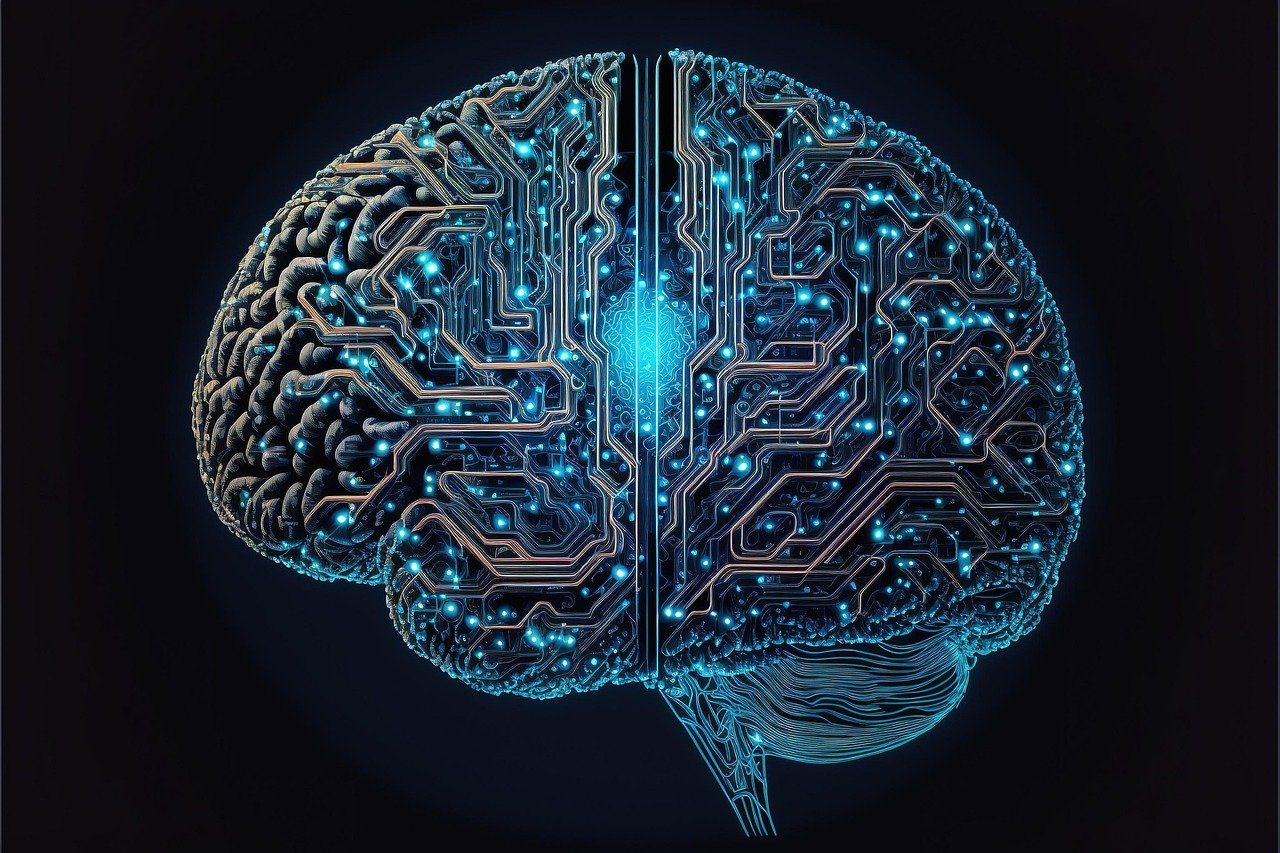
Studies have shown that extraversion is associated with higher levels of activity in brain regions linked to reward processing, particularly the dopamine system. Dopamine is a neurotransmitter involved in motivation, pleasure, and learning from rewards. Extroverts tend to have more sensitive dopamine pathways, which makes them more responsive to external rewards like social interaction, excitement, and novelty.
Introverts, by contrast, have less reactive dopamine systems, meaning they are less driven by external stimulation. Instead, they may rely more on the neurotransmitter acetylcholine, which is linked to introspection, long-term focus, and calm alertness. As a result, introverts often find satisfaction in quiet reflection, deep thought, and meaningful one-on-one interactions rather than crowds or loud environments. This is not a flaw in the system. It’s simply a different wiring.
Higher Cortical Arousal: Why Introverts Hit Their Limit Faster
Introversion is associated with heightened sensitivity in the brain’s arousal systems. A study published in the journal Cognitive, Affective, and Behavioral Neuroscience found that introverts show greater baseline cortical arousal than extroverts, which means their nervous systems are already operating closer to their optimal stimulation threshold before a single social interaction begins.
Add a crowded meeting room, competing conversations, fluorescent lights, and the social performance of professional small talk, and that threshold gets crossed fast. The brain isn’t malfunctioning. It’s responding exactly as it’s designed to, processing more information per stimulus than an extroverted brain typically would. This is why exhaustion can arrive without warning and feel disproportionate to the event itself.
What Brain Imaging Reveals About the Introvert’s Mind
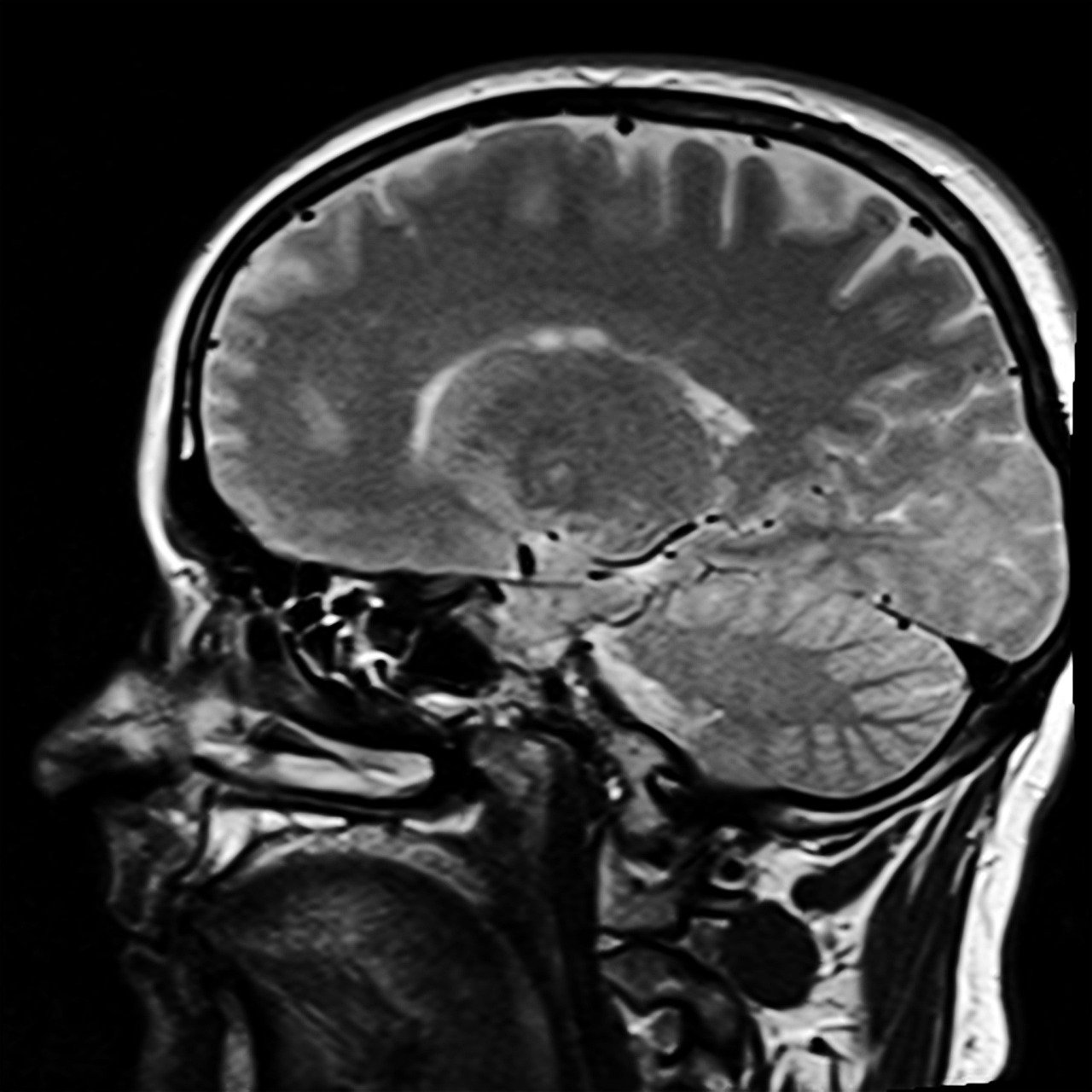
Functional brain imaging also reveals structural and functional differences. Introverts tend to exhibit greater activity in the prefrontal cortex, an area associated with planning, decision-making, and abstract thinking, while extroverts show stronger activity in regions linked to sensory processing and reward anticipation. These biological patterns suggest that introversion and extroversion are not merely behavioral preferences but neurobiological dispositions that influence how individuals experience and process the world.
A study published in the Journal of Neuroscience found that introverts had larger, thicker gray matter in their prefrontal cortex, the area of the brain associated with abstract thought and decision-making. Extroverts had thinner gray matter in that same area. This suggests that introverts may devote more neural resources to abstract thought, while extroverts tend to live in the moment more. Deeper internal processing is literally built into the introvert brain.
Sensory Processing Sensitivity: When About One in Five People Feel Everything More Intensely

Sensory Processing Sensitivity (SPS) is a common, heritable, and evolutionarily conserved trait describing inter-individual differences in sensitivity to both negative and positive environments. Research suggests that roughly a quarter to a third of the general population falls into a highly sensitive category. Research supports the assumption that SPS might be a continuous trait, but roughly 30% of the population falls into a highly sensitive group along a sensitivity continuum.
High sensitivity, or what researcher Elaine Aron calls Sensory Processing Sensitivity, describes a nervous system that processes all stimuli more deeply, including sensory input, emotional cues, and subtle environmental details. Roughly 70% of highly sensitive people are introverts, but 30% are extroverts. Many introverts don’t identify as highly sensitive. The overlap means that for some people, social battery drain involves an additional layer: not just the energy cost of social processing, but the cumulative weight of processing everything more intensely across the board.
Cortisol, Social Fatigue, and the Body’s Stress Response
Heightened activity in the anterior cingulate cortex during social interactions, coupled with increased cortisol and depleted neurotransmitters, contributes significantly to social fatigue. For people who are more reactive to social stimulation, this physiological cost accumulates in ways that may not be visible to those around them. A long evening out can register in the body like sustained cognitive labor.
Ego Depletion Theory argues that self-control and other forms of conscious mental effort rely on a limited amount of mental resources, which can be depleted with continuous use. This theory provides a valuable perspective on how self-control resources become compromised when exposed to prolonged cognitive and emotional demands. Social interaction, especially in performance-heavy or high-stimulation settings, draws heavily from that same pool of resources.
Is It Introversion or Social Anxiety? An Important Distinction

Social anxiety and introversion are distinct concepts. Whereas people with social anxiety feel tense or worried in social situations, introverts can feel comfortable until their battery starts to run low. They may feel at ease around others but have less capacity to spend extended periods with them. In contrast, social anxiety occurs due to a persistent fear of judgment from others.
Social anxiety can make socializing more tiring, as people with the condition often feel the need to “edit” their behavior or speech to avoid negative perceptions. Maintaining this level of “editing” requires significantly more effort than behaving authentically, which may leave a person feeling drained. According to Mental Health America, people with social anxiety may choose to be alone because it is the only place they feel safe, but alone time does not necessarily “recharge” them. That’s a meaningful clinical difference worth understanding.
Why Alone Time Is a Biological Recovery Mechanism, Not a Social Problem

The neurological differences that create varying social energy levels are real and measurable. Approximately 40 to 50% of personality traits, including introversion and extroversion, are heritable. This means these tendencies are partly genetic, not choices or preferences that someone can simply change. Recognizing this matters because it shifts the conversation from willpower to biology.
Genetic studies indicate that traits of introversion and extroversion are moderately heritable, with estimates suggesting that 40% to 60% of the variation in extraversion may be linked to genetic factors. However, environment, upbringing, and cultural context also play crucial roles in shaping how these traits manifest. Needing quiet time isn’t a failure of social effort. For a meaningful portion of the population, it is how the nervous system restores itself, as essential and non-negotiable as sleep.
Conclusion
The science is clear enough: some brains process the social world more deeply, react to stimulation at a lower threshold, and require structured downtime to return to baseline. None of that is pathology. It’s variation, rooted in measurable differences in brain structure, neurotransmitter sensitivity, and arousal systems.
What’s worth carrying from all of this is a more grounded understanding of energy and rest. The social battery isn’t an excuse or a personality quirk. For the people who feel it most acutely, it’s a genuine physiological reality. Respecting that reality, whether in yourself or in someone around you, is where the science actually becomes useful.