
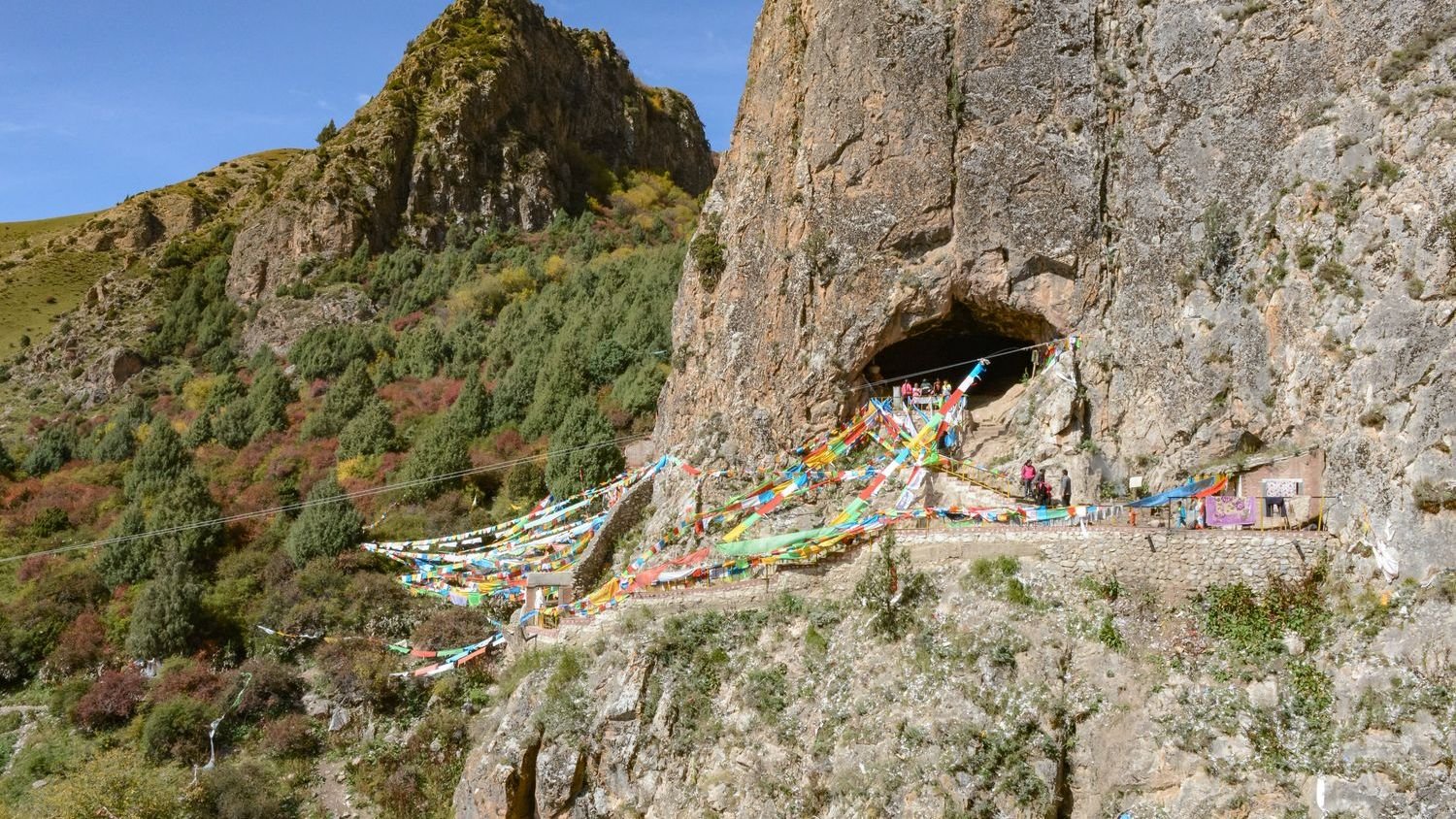

High up on the Tibetan Plateau, where thin air meets ancient rock, three archaeological sites have steadily dismantled what researchers once thought they knew about early human migration. The discoveries aren’t sensational in the tabloid sense. They’re something more unsettling: quietly, methodically documented evidence that archaic humans were thriving in some of the most extreme terrain on Earth far earlier than any standard model predicted.
The region sits at an average elevation exceeding 4,000 meters above sea level, a place that even modern humans struggle to inhabit without physiological adaptation. Yet the bones, prints, and DNA preserved in its caves and mineral deposits tell a different story. One that keeps getting older with every excavation season.
Baishiya Karst Cave: The Cave That Keeps Giving
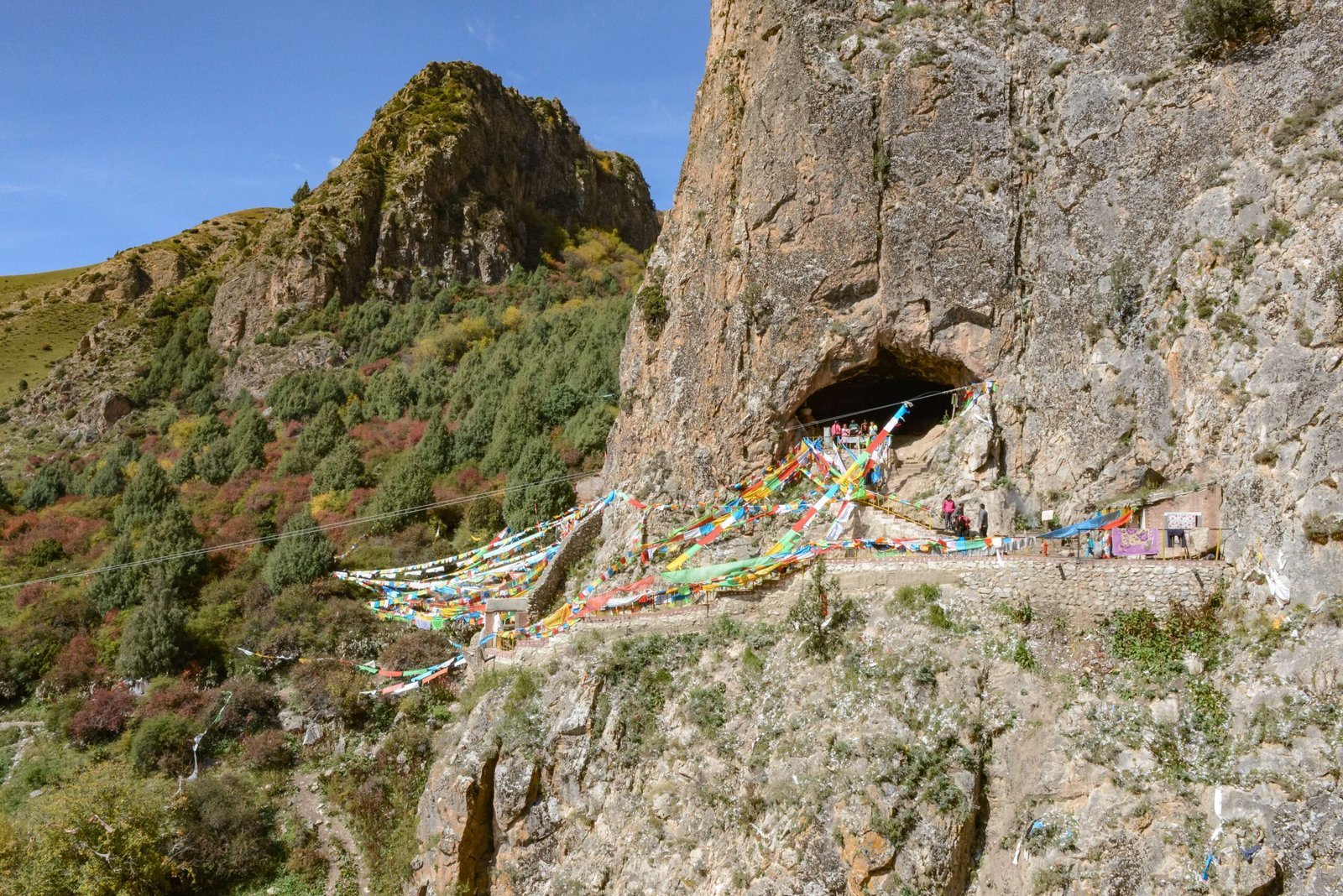
Baishiya Karst Cave is a high-altitude paleoanthropological site located on the northeastern edge of the Tibetan Plateau in Xiahe County, Gansu, China, and it holds the earliest known hominin fossil found on the Tibetan Plateau. That fossil shows that archaic hominins were present in a high-altitude, low-oxygen environment by around 160,000 years ago. For a long time, that jawbone was essentially the whole story.
A new analysis published in Nature in July 2024 identified a new Denisovan fossil and shed light on the species’ ability to survive in fluctuating climatic conditions, including the ice age, on the Tibetan Plateau from around 200,000 to 40,000 years ago. Using zooarchaeology by mass spectrometry, researchers identified a new hominin rib specimen dating to approximately 48,000 to 32,000 years ago, with shotgun proteomic analysis assigning it to the Denisovan lineage, extending their presence at the cave well into the Late Pleistocene. That’s a span of occupation so long it strains the imagination.
Researchers analyzed thousands of animal bone fragments unearthed at Baishiya Karst Cave, 3,280 meters above sea level near the city of Xiahe, revealing that Denisovans could hunt, butcher, and process a range of different large and small animals, including woolly rhinos, blue sheep, wild yaks, marmots, and birds. The results also indicate that Denisovans lived through two cold periods, but also during a warmer interglacial period between the Middle and Late Pleistocene eras. The cave wasn’t a temporary shelter. It was a home, used repeatedly across ice ages and warm spells alike.
Quesang: Prints in Stone, Questions Without Easy Answers
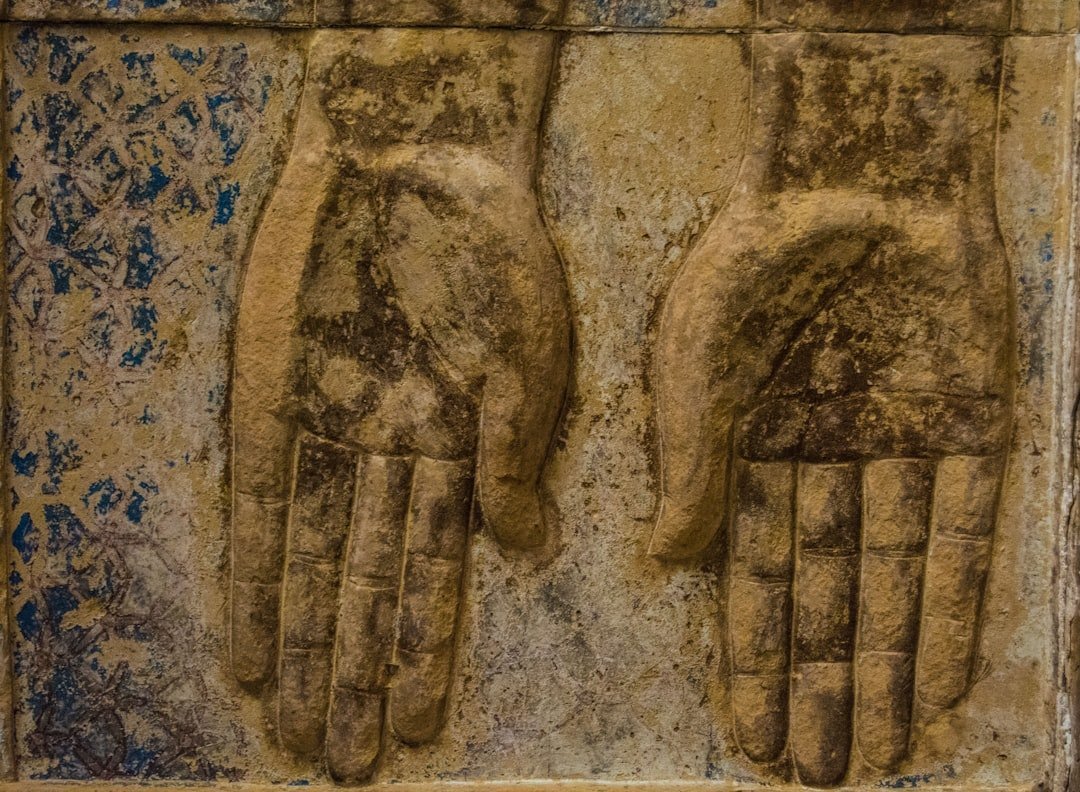
Between 169,000 and 226,000 years ago, two children in what is now Quesang, Tibet, left a set of handprints and footprints on a travertine boulder, and these seemingly intentionally placed impressions may be the world’s oldest known parietal art, according to a study published in the journal Science Bulletin. Experts used uranium-series dating to place the prints’ creation during the mid-Pleistocene period, and the ten impressions, five handprints and five footprints, are three to four times older than comparable cave paintings in Indonesia, France, and Spain.
The handprints are made of travertine, a kind of freshwater limestone formed by mineral deposits from natural springs; when first deposited, travertine forms a very fine, sludgy mud which one can easily press hands and feet into, and then when cut off from water, the travertine hardens into stone. It is not known exactly who the people were that lived on the Tibetan Plateau at that time, but one possibility is the Denisovans, a branch of early ancestors who lived in Asia and resembled modern humans.
It’s worth noting that the dating of the Quesang prints remains genuinely contested among researchers. Authors of a subsequent study found significant problems with the original analysis, pointing out that uranium-thorium dating is highly controversial when applied to exposed travertine, and that the removal of surface uranium by rainwater would certainly have increased the age estimate yielded by this technique. The biggest challenge to the original claim came from the discovery of two Tibetan writing characters etched into the same panel of limestone, a writing system thought to have been introduced around 1,300 years ago, which would mean the travertine crystallized recently enough that the prints could be no older than that. The scientific debate here is real, active, and unresolved.
The Genetic Footprint: A Living Legacy in Modern Tibetans
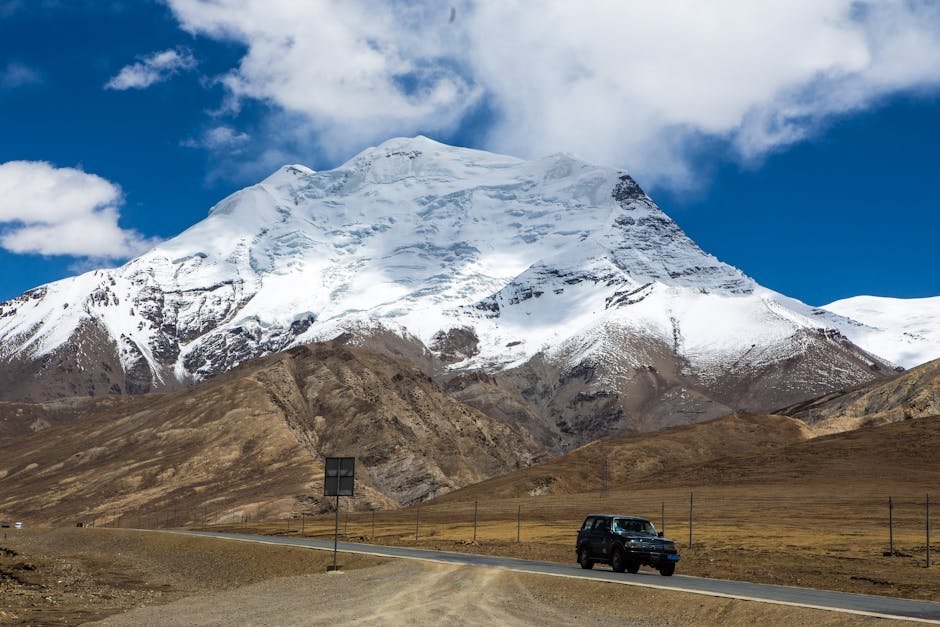
Modern Tibetans possess a gene variant, EPAS1, that helps them breathe at high elevations, and that was likely inherited from Denisovans. This EPAS1 gene, whose most frequent haplotype in Himalayan highlanders was shown to reduce their susceptibility to chronic mountain sickness, was introduced into the gene pool of their ancestors by admixture with Denisovans. This is not a fringe claim or a popular science simplification. It is one of the most thoroughly replicated findings in ancient genomics.
Denisovans lived in eastern Asia for hundreds of thousands of years, but only left a handful of teeth and bone fragments behind. Subsequent analyses of the Denisovan genome have shown that Denisovans diverged from Neanderthals around 400,000 years ago, and that at least two distinct Denisovan populations mixed with ancestors of present-day Asians. Their physical remains are almost nonexistent, yet their genetic contribution to living populations is measurable and well-documented.
Denisovan mitochondrial DNA has been recovered from sediments deposited roughly 100,000 and 60,000 years ago, and possibly as recently as 45,000 years ago, with this long-term occupation suggesting they may have adapted to life at high altitudes and may have contributed such adaptations to modern humans on the Tibetan Plateau. The Denisovan rib has been dated to between 48,000 and 32,000 years ago, when modern humans also lived in the region, and modern Tibetans are known to carry a gene variant, thought to have been inherited from Denisovans, that helps them breathe at high elevations, with researchers suggesting that this genetic contact may have occurred directly on the Tibetan Plateau.
What These Sites Actually Tell Us
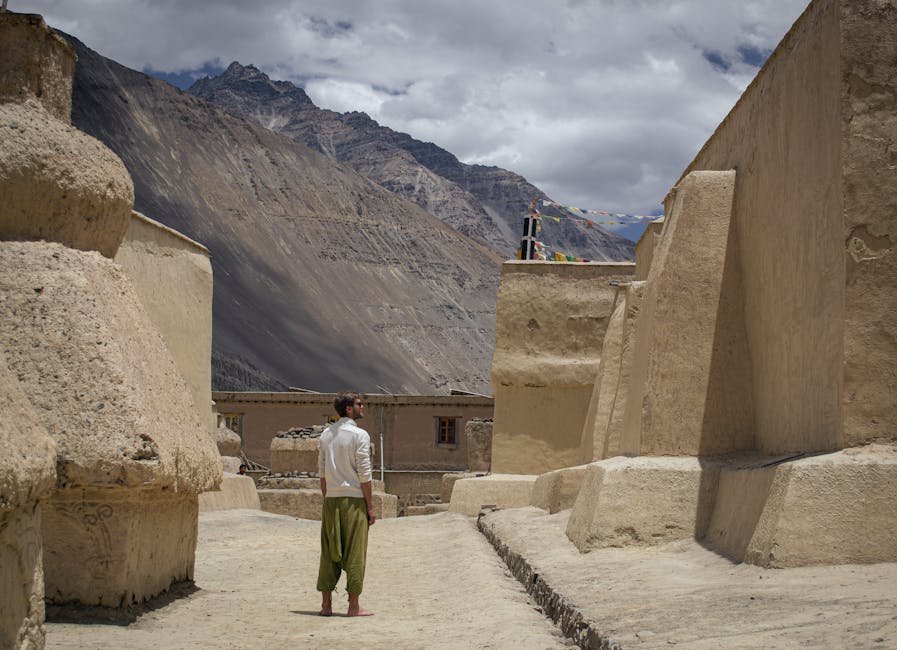
The “Titan Footprint” framing, the idea that something superhuman passed through the Himalayas, is an understandable cultural response to extraordinary evidence. The reality is both more grounded and more interesting. Recent discoveries are leading to paradigmatic changes in understanding the population history of the Tibetan Plateau, involving Homo sapiens and the archaic hominin known as Denisovan, and archaeological and genetic studies provide essential insights into behavioral and biological human adaptations to high elevations.
Recent archaeological discoveries suggest that both archaic Denisovans and Homo sapiens occupied the Tibetan Plateau earlier than expected. These findings challenge the traditional view that the plateau was one of the last places on Earth colonized by Homo sapiens, with genetic studies showing that a pulse of Denisovan introgression was involved in the adaptation of Tibetan populations to high-altitude hypoxia. The old timeline, which assumed humans arrived late and struggled, no longer fits the data from any of these three sites.
What remains unresolved is whether there were continuous populations here across all those millennia, or whether the record reflects repeated waves of occupation separated by long absences. Researchers observe four distinct periods of human occupation separated by apparent gaps in the archaeological and fossil records: Denisovans appear to be the first to visit the Tibetan Plateau long before the Late Middle Pleistocene, with evidence for Homo sapiens as early as 40,000 years ago, though the gaps between these occupations may reflect a low-resolution dataset, a behavioral pattern, or a combination of both.
The Himalayas, it turns out, were never the barrier to human life that earlier models assumed. They were, in some meaningful sense, a home. The challenge now for researchers is not proving that ancient humans were here, but understanding how they survived, adapted, and eventually passed something of themselves into the people who still live at altitude today. The “titan” in this story wasn’t a giant. It was resilience, written in bone, stone, and DNA.