

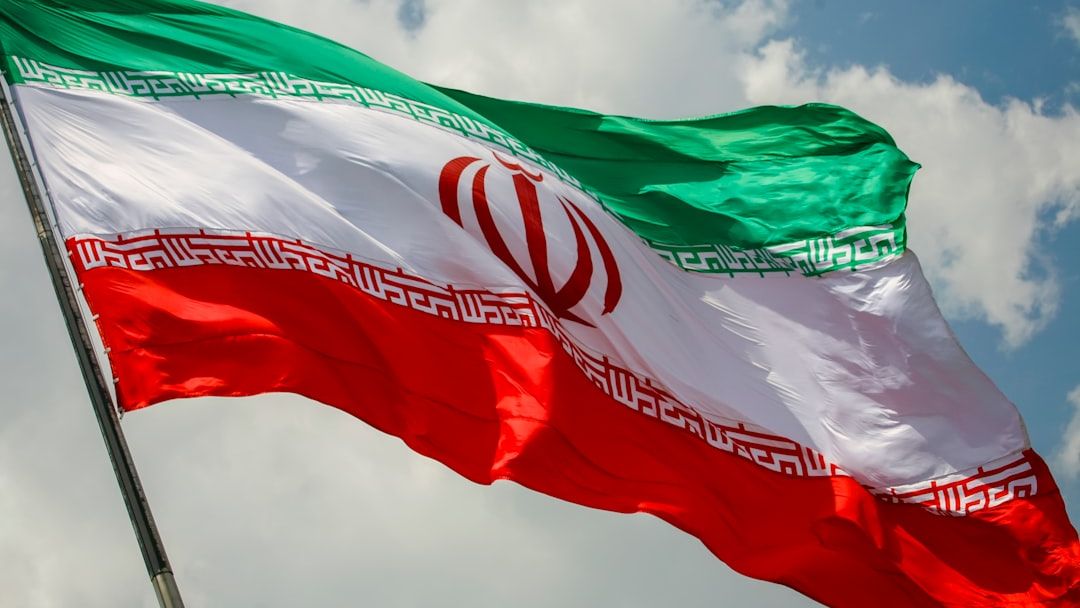
Iran war ceasefire grows increasingly shaky after Trump rejects Tehran’s latest proposal – Image for illustrative purposes only (Image credits: Unsplash)
Dubai, United Arab Emirates – Iran and the United States hit another deadlock Monday over the terms to conclude their conflict, even as the ceasefire showed fresh cracks. The two sides traded fire in recent days, with attacks hitting ships and Gulf states while clashes flared again between Israel and Hezbollah. The impasse risks pulling the region back into open war and extending the energy crisis that has already driven up fuel prices worldwide.
Tehran’s Latest Offer Meets Quick Rejection
President Donald Trump dismissed Iran’s newest proposal outright, calling it “TOTALLY UNACCEPTABLE!” The plan, delivered through Pakistan, demanded war reparations, full Iranian control over the Strait of Hormuz, an end to sanctions, and the release of frozen assets abroad. Tehran also sought an immediate halt to all fighting, including the exchanges between Israel and Hezbollah.
In return, Iran offered to dilute some of its highly enriched uranium and move the rest to a third country for storage. Two regional officials familiar with the talks said the proposal included a 30-day negotiation window to work out details. Russian President Vladimir Putin separately offered to accept the uranium, drawing on Moscow’s role in Iran’s Bushehr nuclear plant and its involvement in the 2015 nuclear agreement.
Core Disputes Over Nuclear Material and Leverage
Iran continues to insist that sanctions must lift and the U.S. blockade of its ports must end before any talks on its uranium stockpile can begin. The United States and Israel, however, want the material removed entirely because it could support a nuclear weapon if Iran chose that path. Tehran maintains its nuclear work serves only peaceful purposes, yet enrichment levels exceed those required for civilian energy.
Israeli Prime Minister Benjamin Netanyahu stressed that removing the enriched uranium remains a central objective. He told CBS’s “60 Minutes” that if negotiations fail, Israel and the United States stand ready to resume military action. Netanyahu added that the current Iranian government’s “days are numbered – but it could take a lot of days.”
Regional Tensions and Fresh Violence
Despite the ceasefire, fighting has not stopped. Israeli strikes have continued into Lebanon, where Israeli forces occupy territory and Hezbollah has carried out deadly attacks, including one that killed an Israeli soldier. Iranian Foreign Ministry spokesman Esmail Baghaei said Monday that his country sought only its “legitimate rights” and accused the American side of clinging to one-sided demands.
The standoff at the Strait of Hormuz, a vital route for global oil and gas shipments, has kept fuel prices elevated and markets unsettled. Both sides blame the other for the lack of progress, leaving the broader Middle East in a state of uneasy limbo.
Domestic Pressures Inside Iran
While diplomacy stalls, Iran carried out another execution of a man accused of spying for the CIA and Israel’s Mossad. State media identified the prisoner as Erfan Shakourzadeh and said he had passed classified information on satellite communications. The hanging fits a pattern of executions that began after nationwide protests erupted in January.
Iran’s judiciary has signaled it will accelerate such cases to counter perceived threats at home and abroad. The moves come as the country’s leadership continues to hold power despite heavy economic damage from the conflict and the loss of senior officials in earlier fighting.
The current deadlock leaves little room for quick resolution. Both sides remain entrenched, and any spark could reignite wider fighting with consequences that stretch far beyond the region.