

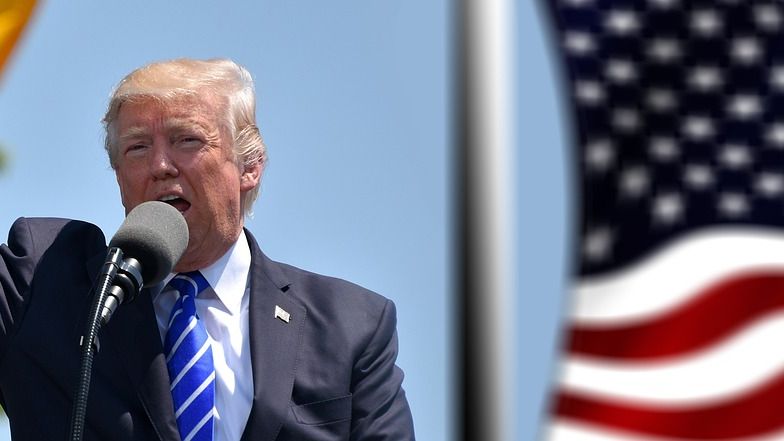
The Latest: Trump says he’s ‘not satisfied’ with Iran’s new peace – Image for illustrative purposes only (Image credits: Pixabay)
As the 60-day deadline under the War Powers Resolution arrived on Friday, congressional Republicans chose not to intervene in the Iran conflict, leaving the decision squarely with the White House. The Trump administration maintained that hostilities had effectively ended with an early April ceasefire, even as tensions simmered over Iran’s control of the Strait of Hormuz and a U.S. naval blockade. President Donald Trump expressed clear frustration with Iran’s most recent negotiation proposal, highlighting ongoing hurdles in reaching a full resolution. This stance came amid a busy week of domestic economic maneuvers and diplomatic exchanges.
Administration Argues Conflict Has Concluded
The White House positioned the ceasefire, which started on April 7 and has since been extended, as the formal end to active fighting. Defense Secretary Pete Hegseth testified before the Senate that this pause halted the conflict, exempting the administration from seeking congressional authorization. A senior official reinforced this view, stating that the hostilities initiated on February 28 had terminated for legal purposes under the 1973 law.
Despite the lull in direct exchanges of fire, strategic pressures persisted. Iran continued to restrict access through the Strait of Hormuz, a vital artery for global oil shipments. The U.S. Navy upheld its blockade to bar Iranian oil tankers from open waters, underscoring the fragile nature of the standoff.
President Signals Impasse in Direct Talks
Trump addressed reporters at the White House, declaring himself “not satisfied” with Iran’s latest proposal. When pressed on specific flaws, he replied, “They’re asking for things I can’t agree to.” He described Iran’s leadership as “very disjointed,” noting that while all parties sought a deal, internal divisions complicated progress.
Negotiations shifted to phone calls after Trump canceled a planned envoy trip to Pakistan the previous week. This revelation came as GOP lawmakers, who had flagged the May 1 deadline, opted against any votes. Senate Majority Leader John Thune indicated no plans for action, allowing the date to lapse without challenge.
Economic Policies Take Center Stage
Beyond foreign policy, Trump turned attention to domestic business challenges. He revealed consideration of a taxpayer-funded takeover of Spirit Airlines, emphasizing job preservation. “We’re looking at it. If we could do it, we’ll do it. But only if it’s a good deal,” he stated, promising an announcement soon after presenting a final proposal to the carrier.
On trade, friction with the European Union escalated. Trump announced a 25% tariff on EU autos, accusing the bloc of noncompliance with a July agreement that capped duties at 15%. A Supreme Court ruling earlier in the year had already adjusted terms to 10% under different authorities, amid probes into trade imbalances. The EU deal had projected monthly savings of 500 million to 600 million euros for its automakers, against a backdrop of 1.7 trillion euros in annual bilateral trade.
Elsewhere, Trump approved the Bridger Pipeline Expansion, a 650-mile project to transport up to 550,000 barrels of Canadian oil daily into the U.S. This “Keystone Light” initiative awaited further environmental reviews, drawing opposition from environmental groups concerned about spill risks.
Shifts in Enforcement and Broader Commentary
Immigration efforts under Homeland Security Secretary Markwayne Mullin adopted a lower profile compared to prior aggressive displays. Mullin prioritized quieter operations over high-visibility raids, focusing visits on recovery efforts like those in North Carolina post-hurricane. The administration reaffirmed its deportation ambitions despite the tactical pivot.
Treasury Secretary Scott Bessent advocated for financial prudence during Financial Literacy Month. He cautioned against “easy-money traps” like lotteries and buy-now-pay-later schemes, drawing from his own impoverished upbringing. “The best thing you can do is not play the lottery,” he advised, urging investments that grow steadily.
- Key Bessent priorities: Building budgets, saving consistently, avoiding get-rich-quick lures.
- Target audience: Especially young workers in fields like construction prone to lottery spending.
Diplomatic Echoes and Domestic Ripples
King Charles III’s recent U.S. state visit earned acclaim for its balance of flattery and critique toward Trump, prompting tariff relief on Scotch whisky. Historian Kristofer Allerfeldt noted the monarch’s poise might yield short-term gains in trans-Atlantic ties strained by Iran.
Other notes included former President Joe Biden’s endorsement of Keisha Lance Bottoms for Georgia governor, praising her as “smart, focused, gets things done.” Federal prosecutors also released footage of an armed intrusion at the White House Correspondents’ dinner, clarifying no friendly fire incident during the confrontation.
These developments painted a picture of an administration juggling prolonged ceasefires, trade frictions, and economic safeguards. For workers at airlines like Spirit or communities near new pipelines, the outcomes carried direct weight, while broader markets watched oil flows and tariff escalations. The path forward in Iran remained uncertain, with deferred congressional oversight leaving resolution in executive hands.