


Most people pick a workout time based on habit or schedule, not biology. That’s understandable. Life is busy. But a growing body of research suggests that when you exercise can shape what you actually get out of it, and those results can vary depending on how your body is built, what your health goals are, and when your internal clock naturally peaks.
Chronobiology, the discipline that studies circadian rhythms, has revealed that body temperature, blood pressure, and hormone production fluctuate throughout the day, directly impacting athletic performance. The science here is genuinely nuanced. There isn’t one universal answer, but there are real patterns worth knowing.
The Body Clock Comes First
Before thinking about morning or evening, it helps to understand what’s happening inside the body across a 24-hour cycle. Physiological function fluctuates across 24 hours due to ongoing daily patterns of behaviors and environmental changes, including the sleep-wake, rest-activity, light-dark, and daily temperature cycles.
The internal circadian system prepares the body for these anticipated behavioral and environmental changes, helping to orchestrate optimal cardiovascular and metabolic responses to these daily changes. Exercise doesn’t happen in a vacuum. It interacts directly with these rhythms in ways that can amplify or blunt your results.
Though not as powerful as light, exercise can also be a strong signal for our circadian system. This means physical activity can be another tool to help get your body synchronized and lined up with its sleep-wake cycle.
Know Your Chronotype Before Scheduling Your Workout

Chronotype is your personal pattern of preferred sleep timing and peak mental and physical performance across a 24-hour day. Some people genuinely feel sharp and capable at 6 a.m. Others hit their stride around 8 p.m. Neither group is wrong.
About a quarter to a third of people are morning types, a similar proportion are evening types, and roughly four to half are intermediate. Your chronotype is largely determined by genetics, and it’s not something you can simply change at will.
Research has found significantly different diurnal variation profiles between early and late chronotypes for daytime sleepiness, psychomotor vigilance, executive function, and isometric grip strength. Late chronotypes were significantly impaired in all these measures in the morning compared to early chronotypes. In practical terms, forcing a heavy training session at a biologically wrong time can actively work against you.
Morning Exercise and Fat Loss: A Real Advantage

When it comes to weight loss, a 2023 study published in the journal Obesity found exercising between 7 a.m. and 9 a.m. could help. Based on data from more than 5,000 people aged 20 and over, researchers found that moderate to vigorous exercise in the morning was associated with a lower body mass index than exercising midday or in the afternoon.
Fat oxidation over 24 hours was increased only when exercise was performed before breakfast. Under energy-balanced conditions, 24-hour fat oxidation was increased by exercise only when performed before breakfast. This is particularly relevant for anyone focused on body composition rather than pure performance.
A 2025 study of male college students found that an early morning workout before breakfast can spark significantly higher fat oxidation than training at other times of the day, and the elevated levels of fat oxidation can last for up to four hours post-workout.
Evening Exercise for People Managing Obesity and Cardiovascular Risk

Undertaking the majority of daily physical activity in the evening is linked to the greatest health benefits for people living with obesity, according to researchers who followed the trajectory of 30,000 people over almost eight years. This was a substantial finding from the University of Sydney, published in Diabetes Care in 2024.
Heart-pumping exercise in the evening, between 6 p.m. and midnight, was associated with the lowest risk of mortality and cardiovascular disease for people with obesity. Research suggests that evening aerobic exercise is associated with improved insulin sensitivity and can significantly reduce blood pressure.
Regular exercise is a countermeasure against cardiovascular and metabolic risk, and recent findings suggest that the cardiovascular benefits on blood pressure and autonomic control are greater with evening exercise compared to morning exercise. For heavier body types with elevated cardiometabolic risk, this distinction genuinely matters.
Afternoon Is When the Body Physically Peaks

Between 2 p.m. and 6 p.m., your body temperature is at its highest. This may mean you’ll be exercising during the window of time your body is most ready, potentially making it the most effective time of day to work out.
It is well established by recent systematic reviews and meta-analyses that there is a diurnal variation in many physical capacities, such as strength and power, plus the ability to perform repeated sprints, which display their peaks between afternoon and evening. If you’re chasing personal records in the gym or on a track, the data points late afternoon as a genuine sweet spot.
Body temperature peaking in the late afternoon is associated with increased muscle strength, reaction time, coordination, cardiovascular efficiency, and overall performance. In the afternoon and evening, reaction time is also at its quickest, which is important for exercises like high-intensity interval training or speed work on the treadmill.
Men and Women Don’t Share the Same Optimal Window

Men and women have different optimum workout times during the day, according to a study published in Frontiers in Physiology. Researchers found that women burn more fat exercising during morning hours, while men burn more fat at night.
Among women, morning exercise reduced abdominal fat and blood pressure, while evening exercise enhanced muscular performance. In the male cohort, evening exercise increased fat oxidation and reduced systolic blood pressure and fatigue. These differences are thought to relate partly to distinct sleep architecture and hormonal patterns between the sexes.
Cortisol and growth hormone levels are naturally elevated in the morning, creating a hormonal environment that may support fat metabolism. For women in particular, this hormonal state appears to create a more favorable early-morning fat-burning window compared to men.
Type 2 Diabetes and Metabolic Body Types: Afternoon Has the Edge
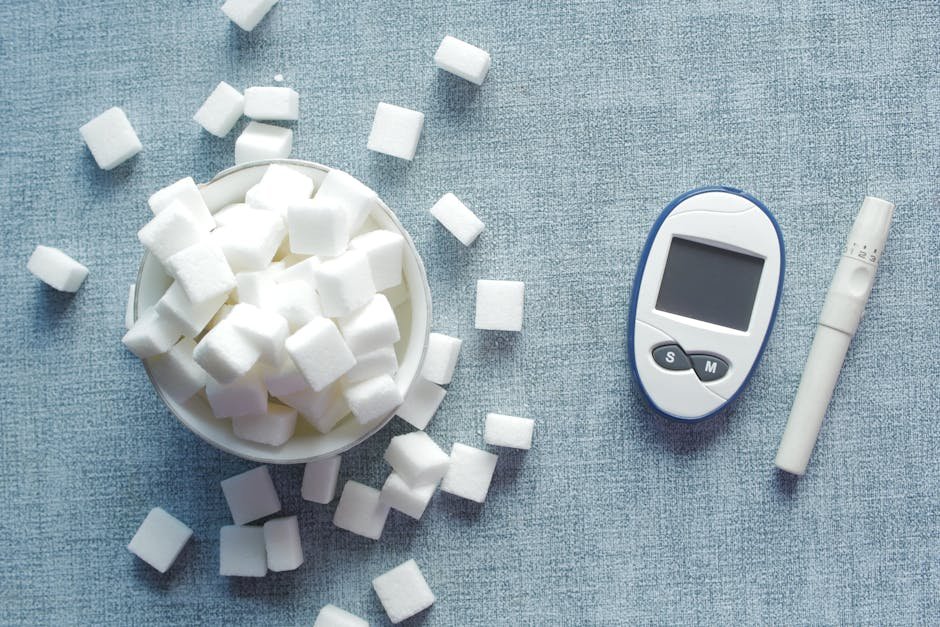
Recent randomized trials have indicated that undertaking late-afternoon or evening activity yields superior improvements in glucose control compared to morning activity, culminating in the lowest incidence of mortality and cardiovascular morbidity in meta-analyses among those living with obesity and/or diabetes.
A study of men with Type 2 diabetes found that high-intensity training in the afternoon improves blood sugar, whereas morning exercise actually led to a worsening of it. This is a meaningful finding for a condition affecting hundreds of millions of people globally.
Research found that exercising in the afternoon led to greater improvements in several key health markers for overweight and obese men, including decreased fasting plasma glucose, improved peripheral glucose uptake, and greater decreases in fat mass and body fat percentage compared to the morning group.
Night Owls: How Exercise Can Reset a Misaligned Clock

People with a late chronotype, often called “night owls,” frequently experience social jet lag because early-morning work schedules don’t match their natural internal rhythms. People with a late chronotype tend to be less physically active, have a higher BMI, and face increased risk of developing type 2 diabetes and metabolic syndrome.
Late chronotypes, those who experience the most severe circadian misalignment, may benefit from phase advances induced by exercise in either the morning or evening. Personalized exercise timing prescription, based on chronotype, could alleviate circadian misalignment in young adults.
Circadian disruption is widespread due to our modern 24/7 lifestyle, and using evening exercise as a tool to improve clinical outcomes and improve circadian alignment are promising avenues. For night owls, this isn’t about finding a shortcut. It’s about working with the body rather than constantly fighting it.
Exercise Timing and Sleep Quality

Short-term evening exercise and high-intensity exercise did not have a significant negative effect on sleep quality, but physiological circadian rhythm tended to alter. Long-term morning exercise tended to decrease cortisol concentrations after awakening and improve sleep quality.
Research shows that evening exercise does not negatively affect sleep directly. On the contrary, it might help you get better and deeper sleep, fall asleep faster, and stay asleep without waking up, provided that your last vigorous training session ends at least two to four hours before bedtime.
Early morning exercise may help cement a good sleep cycle. Research indicates it can shift your circadian rhythm so that you naturally feel more alert in the morning and tired at night. The practical upshot: timing matters for sleep, but the impact depends heavily on your individual rhythm and how close to bedtime you train.
Consistency Matters More Than Perfect Timing

Research has shown that people who exercise in the morning are less likely to skip their sessions and may have an easier time developing the habit of frequent exercise. Morning exercisers also tended to be more consistent with their workout schedules. Habit formation is its own kind of performance advantage.
Even if you’re not obsessed with beating personal records, it’s probably still helpful to exercise at roughly the same time, for the sake of keeping your biological clocks in tune. The window of flexibility is a two to four hour range, not a precision minute.
Consistency over time is key: sticking consistently to one schedule allows your body’s physiological processes like metabolism and hormone regulation to adapt better. The best training window, ultimately, is the one you’ll actually use.
Putting It All Together: Match Time to Type
The research is clear that no single hour is universally optimal. Morning, afternoon, and evening exercise each have benefits. The best time to work out depends mainly on your individual goals. Body type and health status add another layer of specificity to that equation.
For those managing obesity or elevated cardiovascular risk, evening sessions backed by the University of Sydney’s large-scale research offer real advantages. For women focused on fat loss and blood pressure, mornings tend to deliver more. For anyone chasing peak physical output, the late afternoon window when core temperature peaks is hard to argue with.
The broader takeaway from 2024 and 2025 research is that exercise timing is a personal equation. Athletes who trained during hours aligned with their chronotype improved their endurance notably more than those who trained at opposite times. Start with your biology, layer in your goals, and let consistency do the rest.