

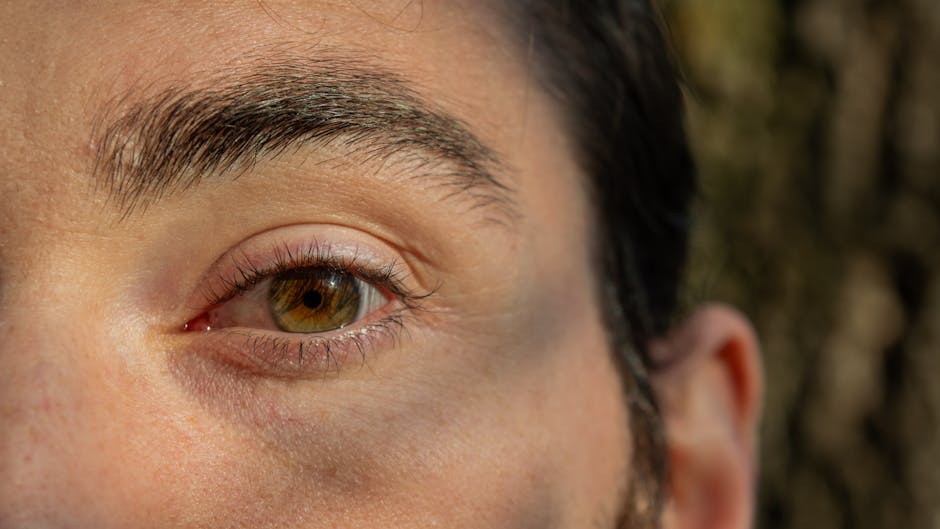
What Is an ‘Eye Stroke’? (Image Credits: Pexels)
Researchers examining U.S. drug safety data have found that Wegovy, the higher-dose semaglutide injection for weight management, showed the most pronounced association with ischemic optic neuropathy among GLP-1 drugs. This condition, often called an “eye stroke,” leads to sudden vision loss from reduced blood flow to the optic nerve.[1][2] The analysis, published earlier this year in the British Journal of Ophthalmology, underscores a potential dose-dependent risk but stops short of proving causation.[3]
What Is an ‘Eye Stroke’?
Non-arteritic anterior ischemic optic neuropathy, or NAION, strikes without warning and causes painless vision loss, typically in one eye. Blood flow to the optic nerve becomes blocked, damaging nerve cells and leading to blurred or lost vision in the central field. Recovery varies, with some patients regaining partial sight while others face permanent deficits.[1]
The condition remains rare overall, affecting roughly 2 to 10 people per 100,000 annually in the general population. Risk factors include older age, hypertension, diabetes, sleep apnea, and certain optic nerve traits like a small cup-to-disc ratio. No proven treatment exists, though managing underlying conditions can help prevent recurrence in the other eye.[3]
Key Findings from the Safety Analysis
The study reviewed over 31,000 semaglutide-related reports in the FDA’s Adverse Event Reporting System from late 2017 through 2024. Among these, 28 cases mentioned ischemic optic neuropathy for Wegovy, compared to 47 for Ozempic. After adjusting for factors like market availability – Ozempic launched in 2017, Wegovy in 2021 – the odds of the condition appeared nearly five times higher with Wegovy, with an adjusted odds ratio of 4.74.[2][3]
Men faced more than three times the risk compared to women across formulations. The reporting odds ratio reached 116 for Wegovy in men, the study’s strongest signal. No such association emerged for the oral semaglutide Rybelsus or the dual-agonist tirzepatide drugs like Mounjaro and Zepbound.[2]
Reported Odds Ratios for ION:
Wegovy: 74.9
Ozempic: 18.8
Generic semaglutide: 21.4
(Data adjusted for reporting patterns)[3]
Why Might Wegovy Differ from Other Semaglutides?
Wegovy’s maximum weekly dose of 2.4 milligrams exceeds Ozempic’s 2 milligrams, prompting speculation about a dose-response effect. Higher levels could contribute to optic nerve hypoperfusion through mechanisms like fluid shifts, low blood pressure, or autonomic changes, though direct evidence remains absent. Ozempic’s longer market time and use primarily in diabetics – who already carry elevated NAION risks – may also influence comparisons.[1][2]
Prior research supports a broader semaglutide-NAION link. A 2024 study of over 16,000 patients reported hazard ratios up to 7.6 times higher for semaglutide users versus those on other therapies. Europe’s drug regulator classified NAION as a “very rare” side effect – up to 1 in 10,000 – last year, advising label updates and immediate discontinuation if diagnosed.[4][5]
Limitations temper the results. FDA reports rely on unverified submissions without clinical confirmation or patient details. Confounders like obesity-related sleep apnea or vascular disease in Wegovy users complicate interpretations. Experts call for prospective trials to clarify causality.[1]
Guidance for Patients and Providers
Regulators in the U.K. and Europe urge anyone on semaglutide to seek urgent care for sudden or rapidly worsening vision. Ophthalmologists should discuss risks with patients starting these drugs, especially higher-dose versions or those with NAION predispositions.[1][5]
While the benefits of GLP-1 drugs for diabetes control and weight loss remain substantial, this signal prompts caution. Ongoing monitoring could refine safety profiles as use expands, including in younger patients.
Patients weighing these treatments should review personal risk factors with their doctors to balance gains against rare but serious possibilities.