

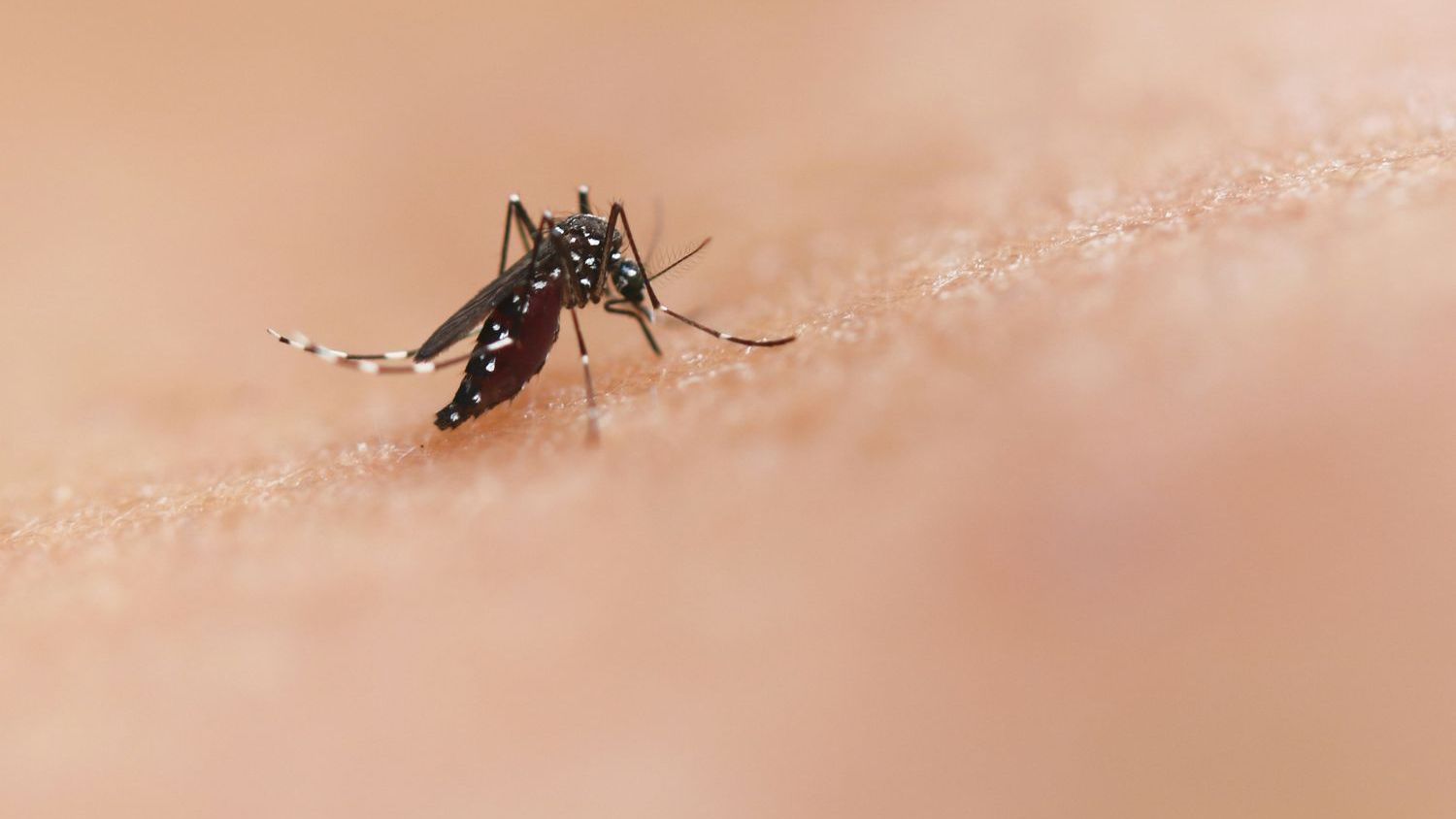
Why are some people mosquito magnets? Clues are emerging – Image for illustrative purposes only (Image credits: Unsplash)
Anyone who has spent a summer evening outdoors knows the frustration. One person in the group ends up covered in bites while others remain untouched. This uneven pattern has long puzzled both victims and researchers, yet recent work is beginning to clarify the underlying reasons.
The issue carries real weight beyond simple annoyance. Mosquitoes transmit serious illnesses, and understanding why they select certain targets could eventually improve protection strategies for vulnerable populations. Scientists are now focusing on the subtle chemical signals emitted by human skin as a key factor in this selective attraction.
The Everyday Experience That Sparks Scientific Curiosity
People often notice the difference during outdoor activities or travel. Some individuals attract repeated bites even when using standard repellents, while companions stay largely unbothered. This observation has moved from casual complaint to a subject of systematic study.
Researchers recognize that the preference is not random. It stems from variations in the compounds released through the skin, which mosquitoes detect with remarkable sensitivity. The pattern holds across different environments and mosquito species, suggesting a consistent biological basis rather than mere coincidence.
How Skin Chemistry Influences Mosquito Behavior
Human skin constantly releases a mixture of volatile compounds. These substances form a personal chemical signature that mosquitoes can sense from a distance. Certain combinations appear more appealing to the insects, drawing them toward specific individuals.
The complexity arises because the signature changes with factors such as diet, activity level, and even the bacteria living on the skin surface. Scientists are mapping these interactions to determine which elements matter most. Progress has been steady, though the full picture remains incomplete.
One consistent finding is that mosquitoes respond to the overall blend rather than any single compound. This makes the task of identifying attractants more challenging but also more precise as analytical tools improve.
Why the Research Matters for Public Health
Mosquito-borne diseases continue to affect millions worldwide each year. If certain people are disproportionately targeted, they may face higher exposure risks in affected regions. Clarifying the chemical drivers could help refine personal protection methods and community-level interventions.
Current repellents work by masking or overwhelming these signals, yet they do not eliminate the underlying attraction for everyone. Better understanding of the chemistry might lead to more targeted approaches that account for individual differences.
Still, experts caution against expecting immediate solutions. The research is in an exploratory phase, and translating laboratory insights into practical tools takes time and further validation.
What Matters Now
The focus remains on building a clearer map of human chemical signals and their effects on mosquito choice. This foundation will support future work on improved repellents and possibly even ways to alter personal chemistry safely.
Continued studies are examining how these signals interact with environmental conditions such as temperature and humidity. The goal is to move from broad observations to more specific, testable explanations.
Looking Ahead Without Overpromising
While clues are accumulating, many questions persist about the full range of factors involved. Genetic influences, microbial communities on the skin, and even subtle differences in body temperature all appear relevant, yet their relative importance is still being sorted out.
The field benefits from advances in chemical analysis and behavioral testing. These tools allow researchers to isolate variables more effectively than in earlier decades. The result is a more nuanced view of why attraction varies so widely among people.
Ultimately, the work underscores that mosquito preferences reflect real biological differences rather than chance. As the chemical details become clearer, the path toward more effective, personalized protection strategies grows more defined, even if practical applications remain years away.