

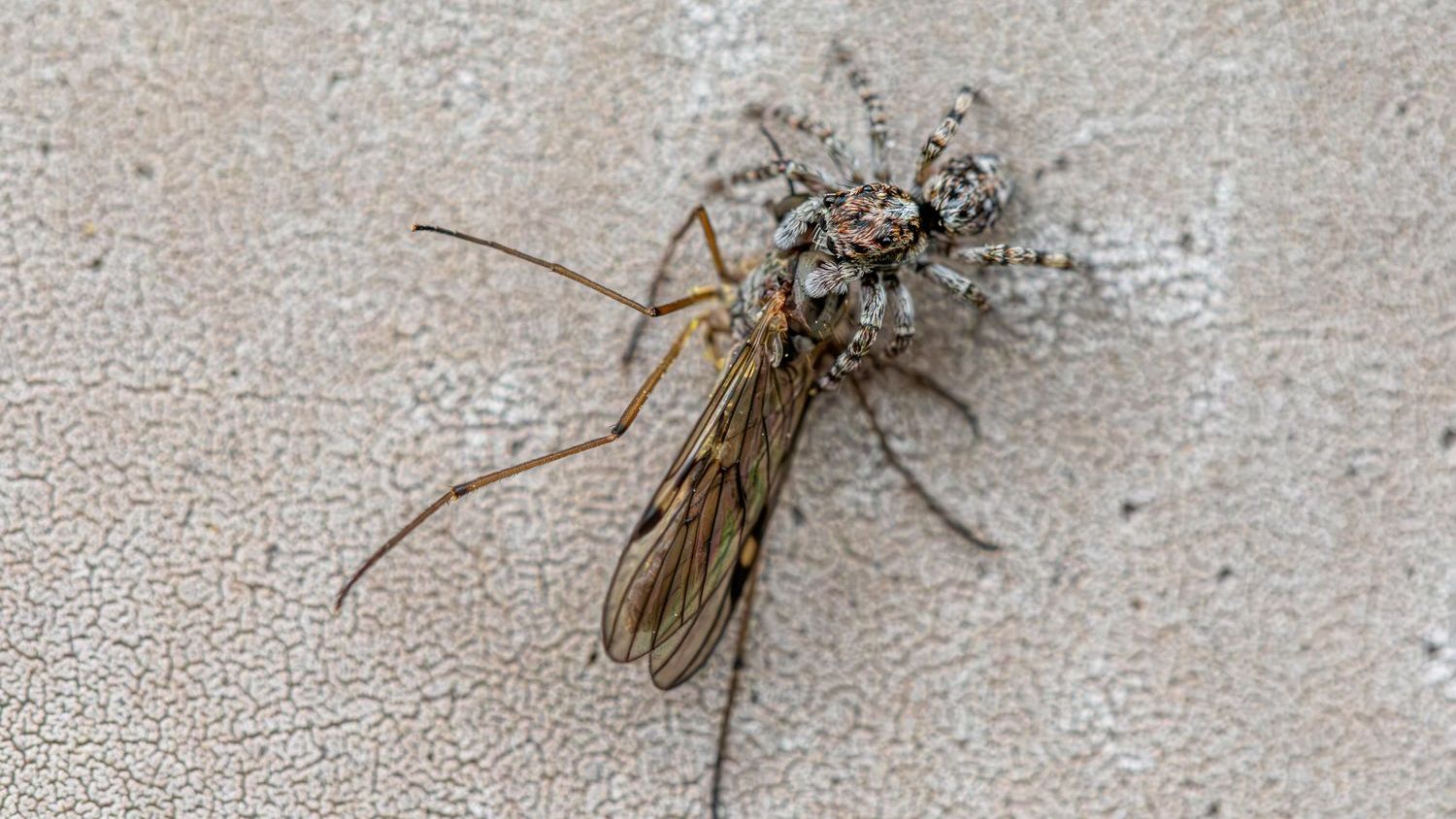
What if we killed all mosquitoes? – Image for illustrative purposes only (Image credits: Unsplash)
Mosquitoes rank among the deadliest animals on the planet despite their small size. They transmit diseases that claim hundreds of thousands of lives each year while also causing widespread discomfort through bites. Yet the question of removing them entirely raises complex issues that extend far beyond human health.
The Case for Elimination
Public health experts have long viewed mosquitoes as a primary target for control efforts. Certain species carry malaria, dengue, Zika, and other illnesses that affect millions globally. Targeted interventions such as insecticide-treated nets and vaccines have already reduced deaths in many regions. Complete eradication could accelerate those gains and free resources for other medical priorities. Still, the practical challenges remain significant. Mosquitoes exist in vast numbers across nearly every continent except Antarctica. Current technologies like gene drives show promise in laboratory settings but face regulatory and ecological hurdles before widespread use. Success would require coordinated international action on a scale rarely achieved.
Unexpected Roles in Nature
Mosquitoes serve as a food source for numerous species. Birds, bats, fish, and amphibians rely on both adult insects and their aquatic larvae during different life stages. Removing this link could trigger ripple effects through food webs that scientists are still mapping. Some mosquito species also contribute to pollination. While they do not match the efficiency of bees, they transfer pollen for certain plants in wetland and forest environments. Their absence might alter plant reproduction patterns in localized areas over time.
Potential Ecosystem Shifts
The consequences would likely vary by region and mosquito type. In Arctic tundra, larvae provide essential nutrition for migratory birds during breeding season. In tropical forests, adults support bat populations that control other insect pests. These connections suggest that blanket removal could create gaps filled by other organisms, sometimes with unpredictable results. Researchers emphasize that only a small fraction of the roughly 3,500 mosquito species bite humans. The rest play quieter parts in their habitats. Blanket eradication efforts would therefore affect far more than the disease vectors alone.
- Food web disruptions for birds, fish, and amphibians
- Changes in plant pollination in specific ecosystems
- Possible replacement by other insects with their own impacts
- Long-term effects on biodiversity that remain under study
Looking Ahead
Scientists continue to weigh targeted control against full elimination. Advances in genetic tools may allow precise removal of disease-carrying species while leaving others intact. Such approaches could minimize broader consequences while addressing the human health burden. The debate underscores how even the smallest creatures shape larger systems in ways that are not always obvious at first glance.