

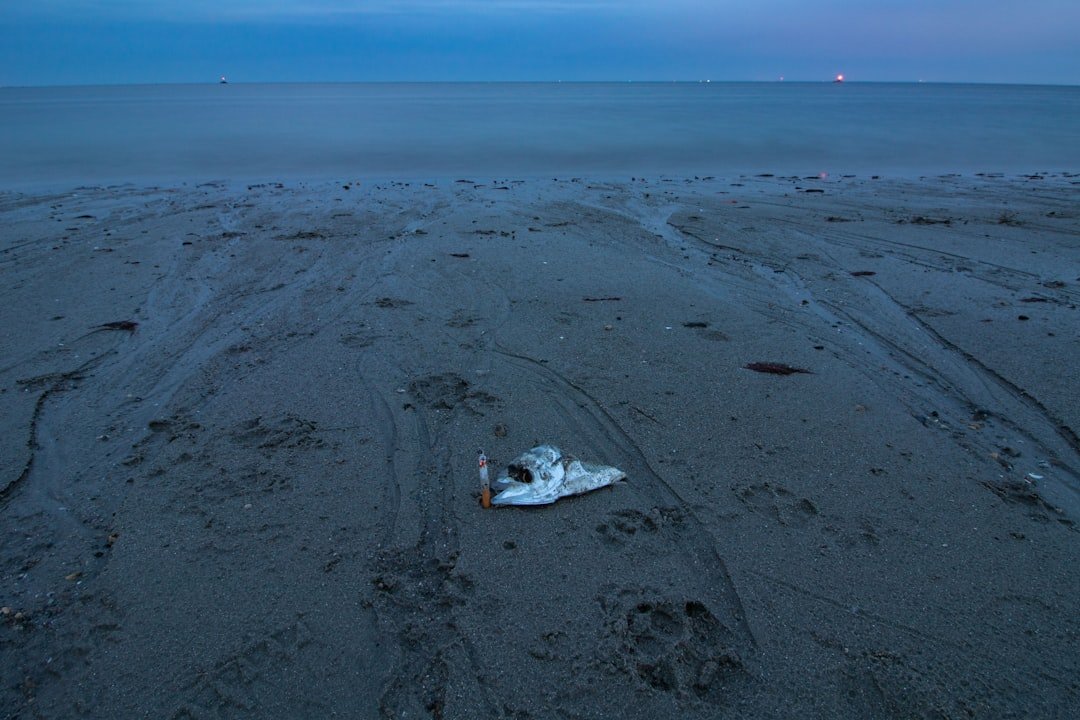
Apollo’s Lasting Footprint on the Lunar Surface (Image Credits: Unsplash)
Humanity’s return to the Moon, driven by NASA’s Artemis program and growing commercial ventures, promises new scientific frontiers. Yet this resurgence raises a practical concern: the accumulation of waste from missions. Organizations worldwide now prioritize strategies to manage lunar debris, balancing historical preservation with sustainable practices for long-term exploration.[1]
Apollo’s Lasting Footprint on the Lunar Surface
Early Moon landings left behind a substantial amount of discarded equipment and supplies. Missions like Apollo 11 jettisoned items including food wrappers, human waste bags, and rover parts near their landing sites. NASA documented this debris in its Catalogue of Manmade Material on the Moon, tallying roughly 400,000 pounds (181,440 kilograms) across all Apollo expeditions.[1]
These artifacts hold immense historical value. The 2020 U.S. One Small Step to Protect Human Heritage in Space Act designates them as protected sites. Future missions will leave this legacy untouched, serving as memorials to humanity’s first steps beyond Earth.
Shifting Priorities: Mitigation in the Modern Era
Today’s space agencies emphasize reducing new waste from the outset. The United Nations’ Committee on the Peaceful Uses of Outer Space, along with the European Space Agency and signatories to the Artemis Accords, focus on end-of-mission disposal to curb orbital debris. Surface waste management, however, remains less defined.
NASA anticipates significant trash generation from sustained presence. A four-person crew could produce about 4,600 pounds (2,100 kilograms) annually, including packaging, equipment, and life support byproducts. Mitigation starts with mission design that minimizes disposables from the beginning.
Recycling Innovations Lead the Way
Recycling emerges as the cornerstone of lunar waste solutions. NASA’s LunaRecycle Challenge, launched in late 2024, invites proposals to transform trash into valuable resources. Concepts range from extracting water and energy to creating fertilizer or habitat-building materials.[1]
This approach aligns with a “circular space economy.” A December 2025 paper in Chem Circularity outlines principles for reusing, repairing, and indefinitely cycling materials, rejecting the old “use and discard” model.Chem Circularity paper Proponents argue it enables self-sustaining outposts.
Key Challenges in Lunar Waste Management
The lunar environment complicates disposal. Extreme temperatures, dust, and vacuum conditions degrade materials unpredictably, and transport costs make Earth return impractical. Agencies have detailed orbital protocols but lag on surface storage strategies like burial or compaction.
International coordination adds layers of complexity. While the Artemis Accords promote cooperation, varying national policies could lead to fragmented approaches. Still, shared challenges foster collaborative innovation.
Key Takeaways:
- Existing Apollo trash totals 400,000 pounds and remains protected as heritage.
- Future crews may generate 4,600 pounds of waste yearly, demanding recycling tech.
- Initiatives like LunaRecycle push for a circular economy on the Moon.
Efforts to address lunar trash signal a maturing space program, one that values preservation alongside progress. As missions ramp up, recycling breakthroughs could turn waste into an asset, paving the way for permanent lunar footholds. What strategies do you see working best? Share your thoughts in the comments.