

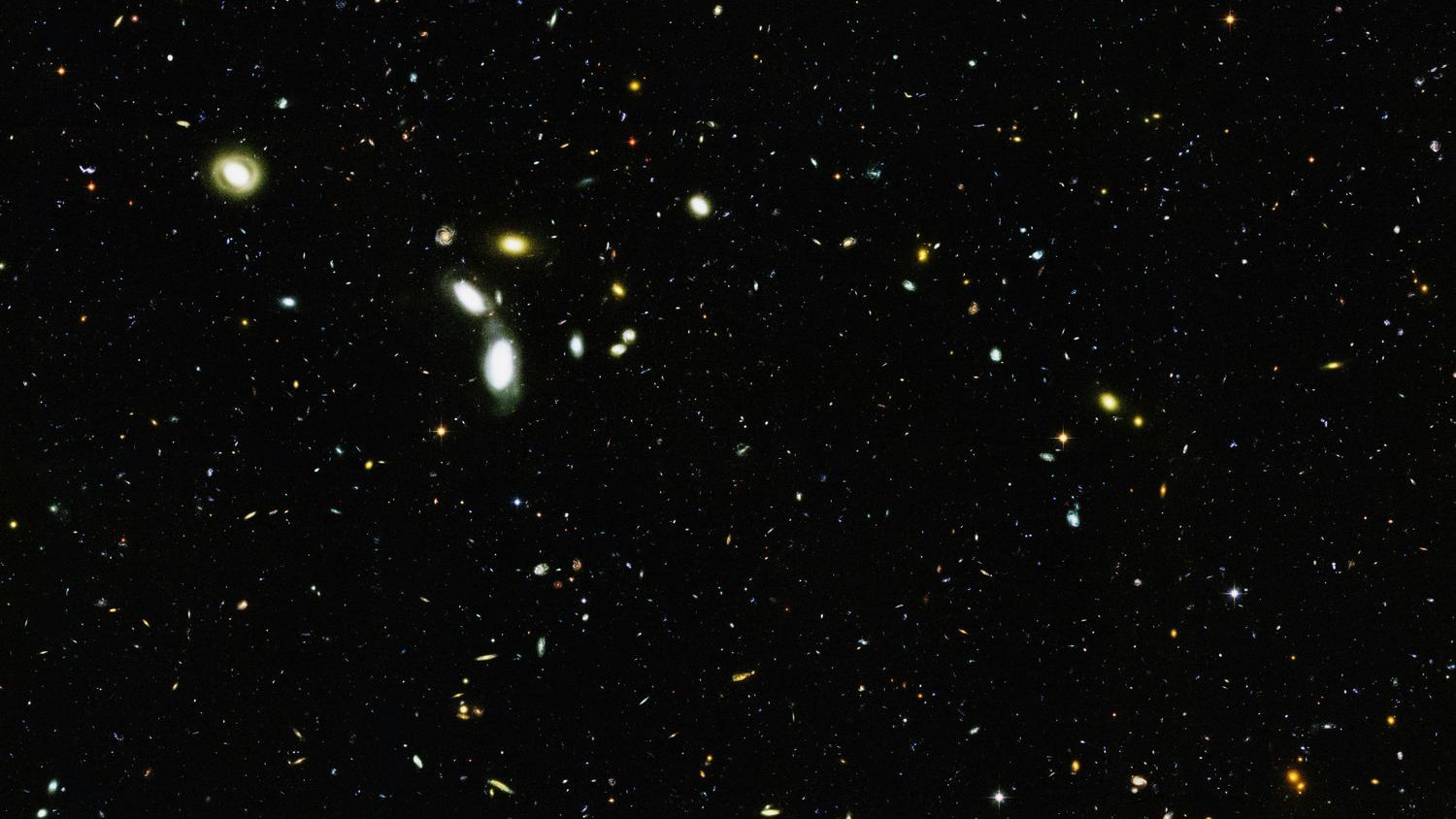
A New Theory of Dark Matter Could Solve Three Cosmic Mysteries – Image for illustrative purposes only (Image credits: Unsplash)
Dark matter continues to shape the universe in ways that current models struggle to fully capture. A new proposal from physicist Hai-Bo Yu at UC Riverside offers a single variant that could address three separate astrophysical puzzles spanning vastly different cosmic environments. The suggestion arrives at a time when observations from telescopes and simulations increasingly highlight gaps in standard explanations.
Why Dark Matter Still Defies Easy Answers
Scientists have long known that ordinary matter accounts for only a small fraction of the universe’s total mass. The rest appears as dark matter, detected only through its gravitational influence on galaxies and larger structures. Yet the precise nature of this invisible component remains unclear, with existing theories facing challenges when applied across scales from individual galaxies to entire clusters.
These inconsistencies have prompted researchers to explore modifications that might unify explanations without adding unnecessary complexity. Yu’s approach focuses on a type of dark matter that behaves differently under certain conditions, potentially resolving tensions that have persisted in the field for years.
The UC Riverside Proposal and Its Scope
Hai-Bo Yu led the study that outlines how this new dark matter variant could operate. The model suggests interactions or properties that adapt across environments, allowing it to fit data from regions where standard cold dark matter falls short. This flexibility stands out because it targets puzzles that appear unrelated at first glance.
By linking solutions in one framework, the theory avoids the need for separate adjustments for each observed discrepancy. Early assessments indicate the idea remains consistent with existing measurements while opening pathways for further testing through refined simulations and upcoming observations.
What Matters Now
The proposal highlights how targeted refinements to dark matter models can address multiple open questions without overhauling established physics. Continued work will determine whether the variant holds up under closer scrutiny from next-generation instruments.
Looking Ahead in Cosmic Research
Future studies will likely examine the predictions of this dark matter type against new datasets from projects focused on galaxy formation and large-scale structure. If supported, the approach could streamline efforts to model the universe’s evolution more accurately.
Researchers emphasize that any advance in this area builds incrementally on prior work, with verification remaining essential before broader acceptance. The UC Riverside effort adds one more avenue for exploration in a field defined by persistent unknowns.