
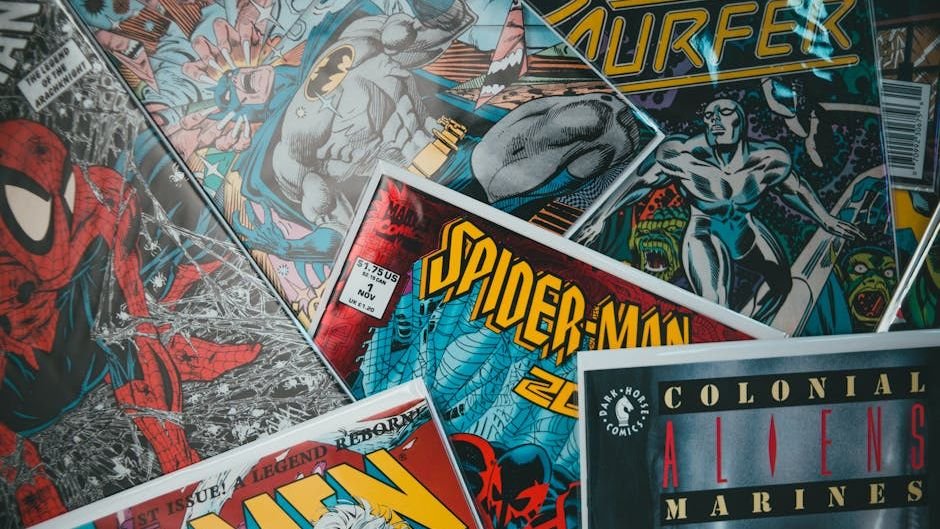

There’s a quiet but real reordering happening inside the comic book collector market right now. Books that were mocked for decades as the poster children of a failed speculator era are finding new audiences, while some genuinely ancient Golden Age keys are quietly softening in price. The conversation about what a comic is actually “worth” has never been more complicated.
The speculator bubble of the 1990s was a glittering mirage, an era of excitement, excess, and ultimately, disappointment. But something has shifted. The nostalgia factor for that era is real, grading technology has changed the game, and a fresh generation of collectors is rewriting the old rulebook.
The Birth of the Shiny Cover: What Hologram Comics Actually Were
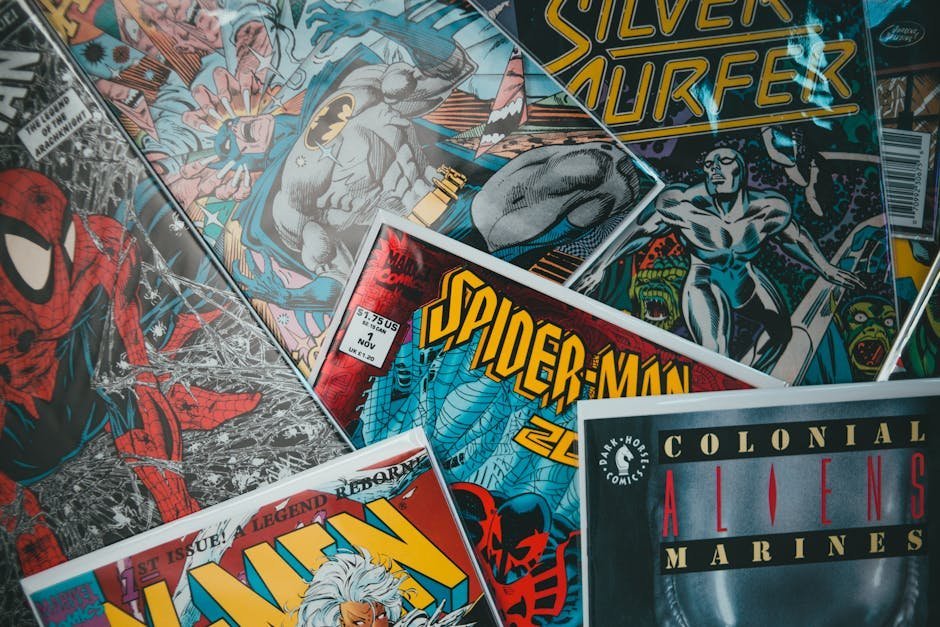
Holographic covers, embossed covers, and foil-stamped variants reached their peak in the mid-1990s and were the defining gimmicks of the speculator era. These weren’t just cosmetic novelties. They were a deliberate publishing strategy designed to make mass-produced comics feel rare and collectible.
Hologram covers featured a “hologram” image that varied in quality and size. Primarily, they were approximately trading-card-sized images affixed to the cover, but some were larger, and in the case of Malibu, the entire cover for several Ultraverse #1 issues used holographic material. The result was visually striking in a way that flat cover art simply couldn’t match.
In order to capitalize on the speculator mania, big comic companies found technical ways to engineer scarcity, to give brand-new objects produced in the hundreds of thousands of copies the semblance of rarity. What followed was a maniacal explosion of gimmicks, supplementing the main issues with novelty variant covers that were foil, die-cut, glow-in-the-dark, and more, all with inflated prices.
The Speculator Bubble and Its Ugly Collapse
The seeds of the bubble were planted in the late 1980s, but it was the early 1990s that saw the market explode. Comic books became hot commodities, not just for fans but for speculators, people buying multiple copies of issues not to read but to stash away like stocks. The logic was simple: if Amazing Fantasy #15 from 1962 was worth thousands, then surely X-Men #1 from 1991 would be too.
X-Men #1 delivered on paper with five variant covers and a record-breaking eight million copies sold, making it the poster child of the boom. But unlike vintage keys, these new issues weren’t rare. Everyone had them, often in pristine condition. The illusion of value held just long enough to ruin a lot of investors.
The comic book speculator market reached a saturation point in the early 1990s and finally collapsed between 1993 and 1997. Two-thirds of all comic book specialty stores closed in this period, and numerous publishers were driven out of business. Even industry giant Marvel Comics was forced to declare bankruptcy in 1997.
The Aftermath: Why Most 1990s Books Became Worthless

In truth, very few of the comics produced in the early 1990s have retained their value in the current market, with hundreds of thousands, or in several prominent cases over ten million, copies produced of certain issues, making the value of these comics all but disappear. That overproduction was the fatal wound.
The speculator boom of the 1990s saw large print runs of comics on high-grade paper that were carefully stored by multitudes of collectors, creating a glut of product in the collector’s market. Unlike Golden Age books that were simply read and discarded, 1990s issues were preserved in bulk. Scarcity never had a chance to develop naturally.
Comics printed during the run-up to the bubble became virtually worthless, as the speculator-driven sales combined with unsold issues to create a massive oversupply. Since the comics apocalypse, some parts of the market have recovered and even thrived. The question now is which parts, and why.
Golden Age Keys: The Untouchable Benchmark
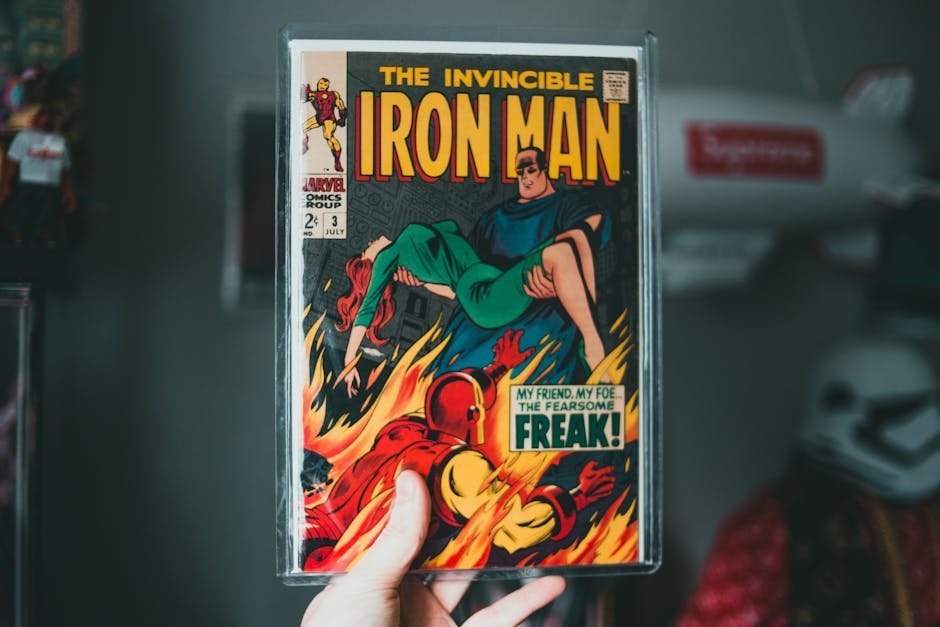
The Golden Age, spanning 1938 to 1956, gave us the birth of the superhero era with the first appearances of Superman, Batman, and Captain America. The Silver Age followed with the rise of Marvel Comics and characters like Spider-Man, the X-Men, and the Fantastic Four. Books from these eras are commonly regarded as the foundation of vintage collecting, with most of the highest-value issues emerging from the Golden and early Silver Ages.
Superman #1 reached its peak price when a CGC-graded VF/NM 9.0 sold at auction for $9.12 million in November 2025, the highest-graded copy of this 84-year-old comic book. That’s the kind of number that defines a category. Golden Age books exist in a financial stratosphere that feels impregnable.
GoCollect’s data confirms that “as you look on each index, you see the explosive trend in comics settle more and more the further back you go, ultimately ending with the Golden Age demonstrating incredible staying power in value.” Steady, long-term appreciation is the hallmark of that era. Still, something else is emerging alongside it.
The Market Data That’s Turning Heads in 2025

The Golden Age CPI was the best performer over the past year, producing a 5.44% gain, and while that pales in comparison to the S&P 500’s 14% gain over the same period, 5.44% would still have beaten inflation. Books like Detective Comics #38 and Suspense Comics #3 helped drive those gains.
After the Golden Age, things start to go downhill. The Silver Age CPI is down nearly five percent for the year, and the index is full of grails including first appearances of Doctor Doom, Hal Jordan, and Black Panther, making it surprising that these books continue to lose steam. This is not a minor footnote. These are considered the most coveted comics in the hobby.
The most glaring piece of data is the largely negative performance over the past year for all segments other than the Golden Age and the Big Spenders Club. Zooming out, those same sectors are also the two with the least substantial gains since 2015. In other words, the safest bets have been the oldest books, while the flashy 1990s material has remained volatile.
Why Hologram and Foil Covers Are Gaining Ground Now

Nostalgia for the 1990s is reaching a very radical and extreme high. Artists like Rob Liefeld are receiving a much-needed re-evaluation, and many comic book fans are wishing for the days when heroes were disproportionately ripped and comic book sales were booming. Nostalgia is a powerful market force, and the generation that grew up with these shiny covers is now in their mid-thirties to mid-forties with disposable income.
The savvy collector is now turning attention back to the epoch of the 1980s and 1990s. For those who want to see the bedrock of the medium represented in their long boxes, identifying underpriced keys before the next market surge is considered a definitive move for long-term success. The 1990s chromium and hologram covers, once dismissed entirely, now occupy that “underpriced” territory for many buyers.
Modern publishers still dabble in variants and incentives, but there’s more transparency today. Retailer exclusives are clearly marked, print runs are tracked, and indie comics with smaller runs and passionate fanbases have carved out a niche for genuine scarcity. That transparency has actually helped collectors reassess the past with clearer eyes.
The Role of CGC and Professional Grading
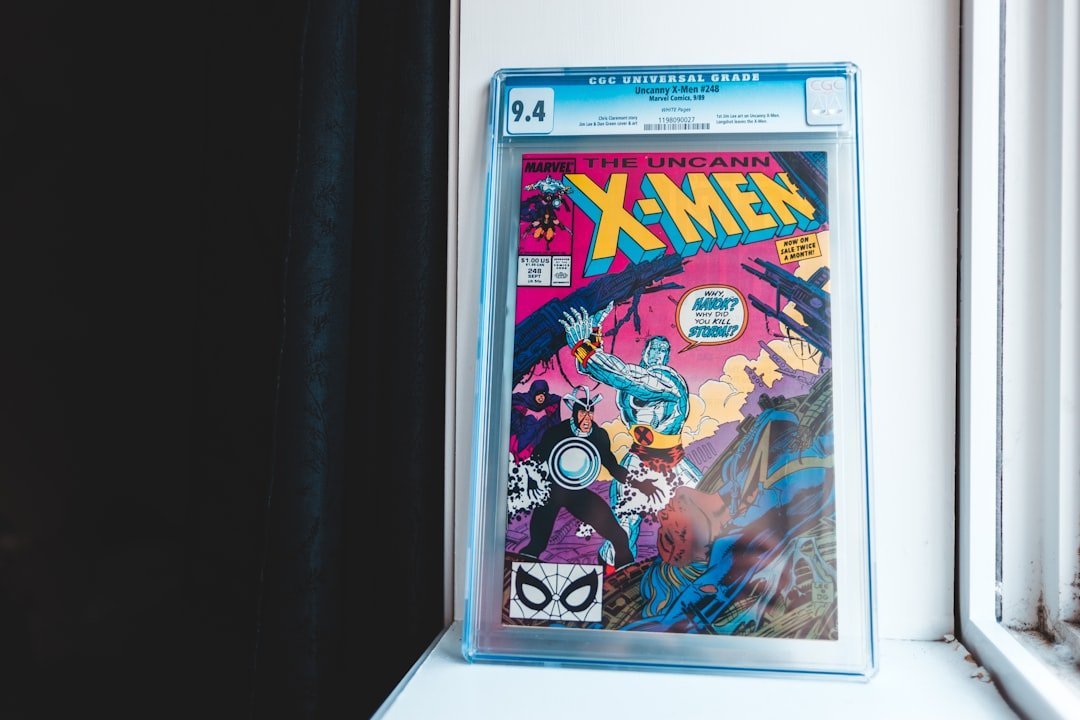
CGC grading brought standardization to previously subjective condition assessment, and this legitimacy attracted investment capital. Hedge funds, family offices, and institutional investors now allocate portions of portfolios to graded comics, particularly Golden Age and Silver Age keys. That institutional interest has changed how all eras of comics are evaluated.
Across 2025, the CGC-graded market didn’t just move, it marched: at least 165,694 slabs traded hands for more than $57.6 million in recorded sales. The sheer volume of activity tells its own story. When that much money is moving through certified graded comics, even previously overlooked 1990s issues get pulled into the current.
In terms of investment, scarcity matters. A comic’s value is tied to how rare it is, especially in high grade. This is precisely where certain 1990s hologram and chromium covers have found an unexpected advantage. High-grade certified copies of some foil variants are genuinely difficult to find, because the metallic covers were so easily damaged during storage and shipping.
Condition Scarcity: The Hidden Factor Nobody Talked About
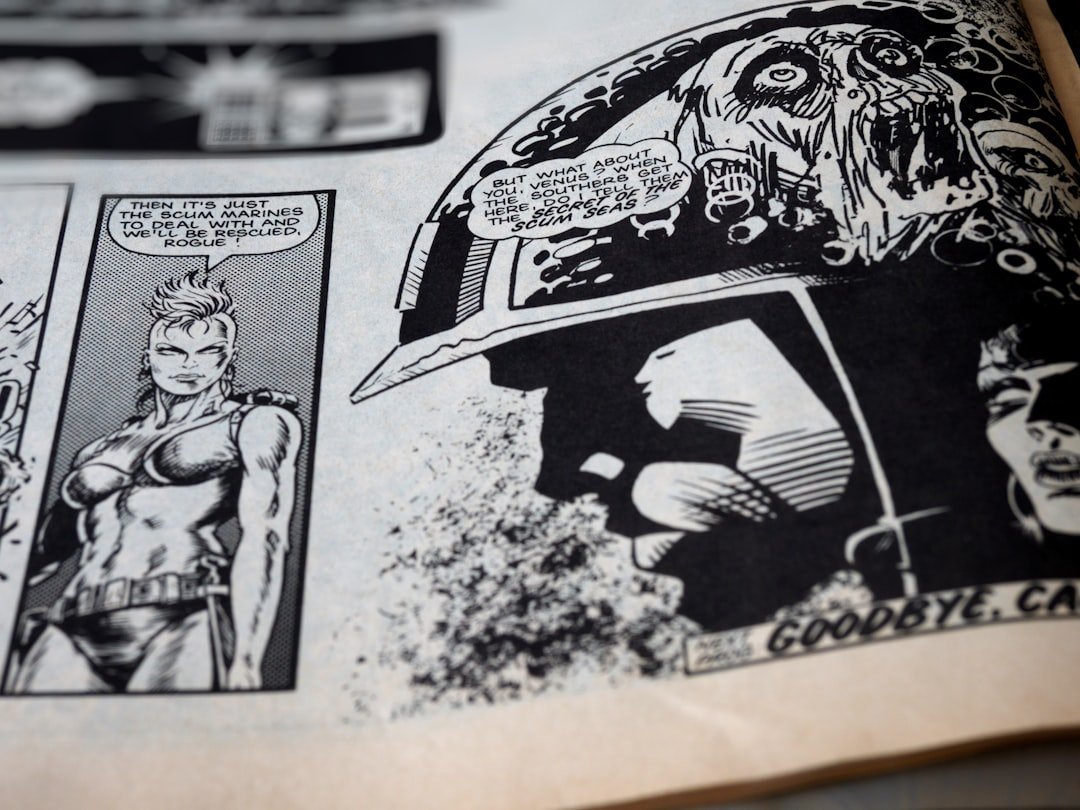
Hologram covers are easily damaged, and once they have a ding or a few crinkles they don’t look nearly as nice. One collector who won a lot of all seven Ultraverse hologram covers found that someone in the post office had dropped the envelope on its corner, leaving all seven books with a massive ding in the same spot. That fragility has quietly reduced the pool of high-grade surviving copies far more than anyone anticipated in the 1990s.
The chromium and foil materials used in 1990s enhanced covers react poorly to decades of storage. Humidity, oxidation, and minor handling all leave marks that flat traditional covers would simply absorb. The irony is that the very features meant to make these books feel premium actually made them harder to preserve at near-mint condition over thirty-plus years.
A comic is only worth what someone is willing to pay for it, and platforms like CovrPrice display actual sales data taken across multiple online marketplaces, not just eBay, to help collectors better determine fair market value. When that data is filtered for high-grade hologram variants, the picture is quite different from the raw book market.
Where the Golden Age Keys Stand Now vs. 1990s Variants

Based on GoCollect’s index data, the Golden Age and Big Spenders Club indices showed smooth and relatively unwavering gains, far less affected by the COVID spike than their peers, proving the comparatively safe nature of these markets. Safe, yes. Explosive in the short term, less so. That’s a distinction serious collectors are paying close attention to in 2025 and 2026.
People who owned blue-chip comics took a hit in 1993. People who owned modern-era comics were wiped out, the value of their collections never to return. Decades later, the landscape is more nuanced. Golden Age keys remain the bedrock, but the floor under certain 1990s enhanced covers is rising in ways the market didn’t predict.
Retailer incentives, foil covers, and 1:25 or 1:100 variants are heating up fast. Not all hold value, but well-timed variants tied to character firsts can explode. That same logic is starting to apply retroactively to the best 1990s hologram covers, particularly those tied to key first appearances or major story events.
What This Means for Collectors in 2026
Blue chip comic investment is officially considered the most stable strategy for collectors looking to preserve wealth within the hobby, offering a secure portfolio of assets that have proven their durability over time. That consensus still holds. Golden Age keys are not being displaced. They remain the most historically reliable comic investments available.
Today’s collectors are more informed, more story-driven, and more cautious. The market still has its spikes and surprises, but the lessons of the 1990s linger like a ghost in the long box. The difference now is that those lessons cut both ways. Dismissing an entire era wholesale is just as uninformed as blindly buying everything with a shiny cover.
GoCollect’s Collectible Price Index, a concept similar to the S&P 500 or the Dow Jones, creates an index for each comic book age including the Silver, Bronze, and Copper Ages. This tool takes a much broader view by assembling blue chip comics from each age and assembling them into composite indexes. Watching those indexes in real time is now how serious collectors navigate the market, rather than relying on gut feeling or nostalgia alone.
The real story here isn’t that hologram covers are somehow “better” than Golden Age keys. They’re not, and the auction record data makes that clear. What’s actually happening is a market correction of perception. For thirty years, the entire output of the speculator era was treated as worthless junk. Now, with condition scarcity finally visible in the data and a wave of nostalgia backed by real buying power, the most exceptional examples from that shiny, excessive decade are being looked at with fresh eyes. Some of them deserve it.