


The Aquifer Beneath the Breadbasket
Running mid-continent from the Dakotas to Texas, the Ogallala is the largest aquifer in North America. Once holding the volume equivalent of Lake Huron, it was first tapped for high-volume irrigation in 1909. What followed transformed the American plains into one of the world’s most productive agricultural regions, but it came at a cost that took decades to fully appreciate.
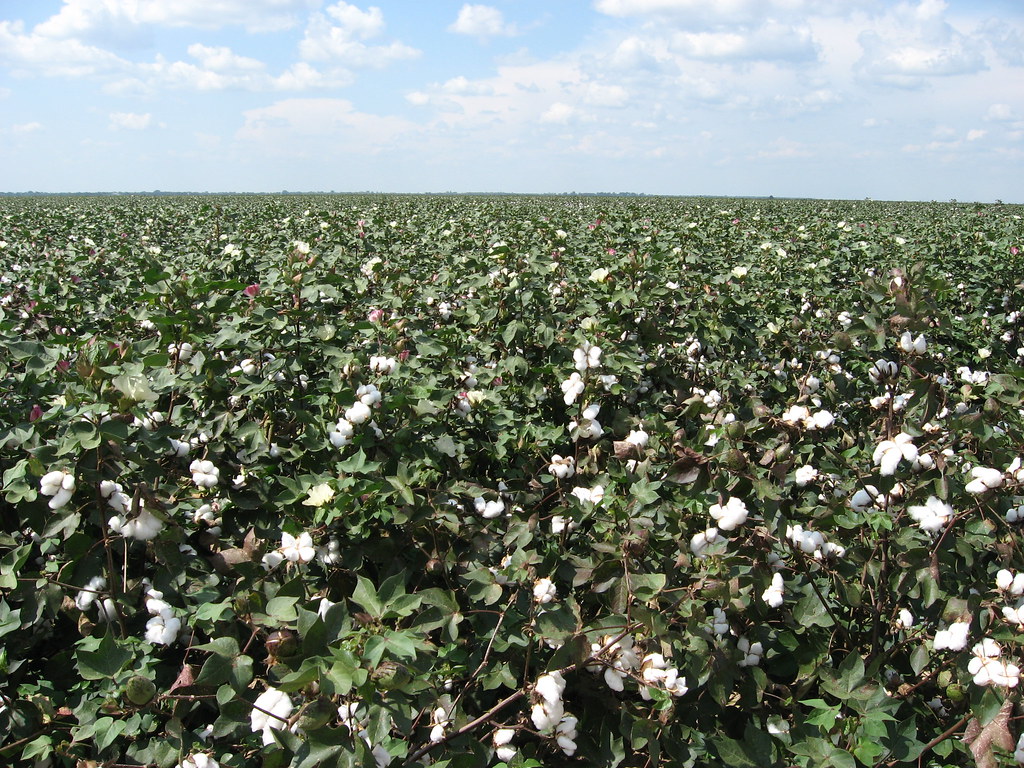
The Ogallala aquifer provides roughly 30 percent of all water used for irrigation in the United States and supports about 20 percent of the nation’s wheat, corn, cotton, and cattle production. Approximately 14 percent of the total aquifer area consists of irrigated acres capable of producing $7 billion in crop sales, generating roughly $35 billion per year in agricultural products. The water is being pumped by nearly 200,000 irrigation wells, most of them installed since the 1940s.
Around 80 percent of residents living above the aquifer rely on it for drinking water, and it supplies almost one third of the groundwater used for irrigation in the United States. That dependence is precisely what makes the region both vital and vulnerable, and it is exactly what private investors have been factoring into their calculations.
A Resource Running Out of Time
Aquifer levels in parts of western Kansas that rely on groundwater for everything from drinking to irrigation fell more than a foot in 2024, with southwest Kansas seeing a 1.52-foot decline between January 2024 and January 2025. These are not marginal shifts. They are measurable signs of an accelerating crisis.
Recent U.S. Geological Survey data from 2024 reveals that some areas, particularly in western Kansas and the Texas Panhandle, have seen water table declines exceeding 150 feet since the 1950s. A 2023 report highlighted a net loss of approximately 9 million acre-feet across the system since the turn of the millennium.
Researchers at Kansas State University determined that about 70 percent of the aquifer in Kansas will be depleted in less than 40 years. Finney County finds itself in peril due to years of inattention to the trajectory of aquifer exhaustion. Having taken millennia to form, the Ogallala’s groundwater should be regarded as a finite resource. Once it is gone, the aquifer will take over 6,000 years to replenish naturally through rainfall.
Water Rights as the New Mineral Rights

The world’s most precious resource is becoming increasingly scarce, and wealthy investors recognize water as the ultimate asset for the 21st century. As climate change accelerates and global populations grow, water scarcity threatens billions while creating unprecedented investment opportunities for those with deep pockets.
The Ogallala Aquifer, stretching across eight states, became a focal point for wealthy investors seeking to control groundwater resources. These investments often involve purchasing surface rights while retaining subsurface water rights separately. This legal separation is the cornerstone of the strategy. The land itself is almost secondary.
In the United States, water rights regimes and water markets are allowing investors to wring profit from a public resource. Owning a water right, or claim, authorizes people to pull public water from a specific source. Water markets allow claim-holders to lease or sell their claims to the highest bidder. When scarcity drives prices upward, those holding the rights hold the leverage.
Bill Gates and the Nebraska Land Play
The buyer who surfaced in Nebraska records was Bill Gates. The billionaire who co-founded Microsoft spent more than $113 million buying Nebraska farmland over a six-year period. The purchases were structured through a web of limited liability companies that made the true ownership nearly invisible to local communities.
Gates’ farmland is held by more than 20 shell companies spread across the country. Some lead back to a P.O. Box in Kirkland, Washington, the city where Cascade Asset Management, which manages all Gates’ investments, is headquartered. Because it’s hidden, Nebraskans living and farming in communities where Gates is among the largest landowners are often unaware that one of the world’s richest men owns the cornfield down the road.
Gates owns 242,000 acres of U.S. farmland, which makes him the nation’s largest private farmland owner. His farmland spans almost 20 states, including substantial holdings in Louisiana, Arkansas, and Nebraska. When Gates buys tens of thousands of acres, he is not just buying the land. He is also buying the rights to water below ground, along with a focus on water and water treatment as a crucial component when seeking to control the agricultural industry.
The Scale of Institutional Investment
Behind closed doors, billionaires and investment firms are orchestrating a massive consolidation of water resources. This silent acquisition spans from agricultural land with valuable aquifers to municipal water systems and cutting-edge water treatment technologies.
Investment firms like Blackstone, Brookfield Asset Management, and KKR have quietly assembled water infrastructure portfolios worth hundreds of billions of dollars. These are not speculative bets. They represent calculated, long-horizon positions built on the assumption that water scarcity will only intensify.
U.S. mineral rights transactions for agriculture and forestry were projected to exceed $2.5 billion in 2025. Interest in mineral rights across the country has been rising as more landowners and buyers look for new opportunities. Many factors drive the demand, including energy needs, evolving technology, and changes in the market. Some states are experiencing a surge in activity as mineral rights buying companies increase their efforts to secure land with valuable resources.
Why the Midwest Specifically
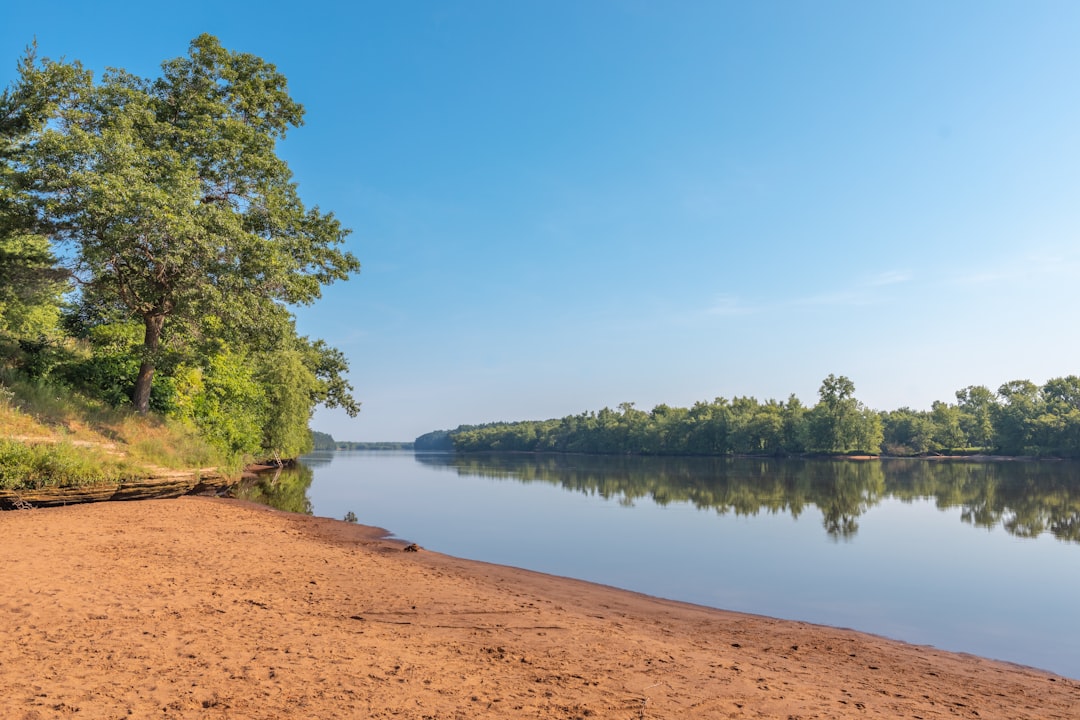
The Ogallala Aquifer, which stretches across much of the Midwest, is a region which produces one-fifth of U.S. wheat, corn, and cotton, and over a third of its beef. Controlling water access in this corridor effectively means controlling a significant portion of American food production. That is a position of structural power, not merely financial return.
As climate change increases the frequency and intensity of droughts and heatwaves in this region, water is predicted to become more scarce. Rural residents believe that their taps will be the first to run dry, and rightly suspect that companies prioritize profits over equitable, sustainable solutions.
A 2025 Economic Research Service analysis projected a $50 billion drop in regional agricultural output over the next decade if current water use trends persist. For investors positioned on the right side of that scarcity, the economic logic is stark. What becomes rare becomes valuable, and water in the American heartland is becoming both.
How Mineral Rights and Water Rights Intersect
Mineral rights grant the owner the ability to extract or receive royalties from the extraction of oil, gas, or other minerals beneath the land. These rights are separate from surface ownership, meaning an investor can own the underground resources without owning the land itself. The same legal framework applies, in varying degrees, to groundwater in states that treat subsurface water as a severable property right.
The average oil and gas royalty rate climbed to between 18.75 and 20 percent in 2024, reflecting mineral owners’ growing sophistication. Federal mineral estates produced 15 percent of U.S. domestic oil and 9 percent of natural gas in fiscal year 2024. Wealthy buyers understand this royalty structure well, and they are applying the same model to water access.
Water markets have taken root in the United States, but only to a limited extent. Western states, which largely banned appropriators from selling water rights separately from underlying land in the 20th century, now mostly permit water rights transactions under some circumstances. That regulatory opening is where investors are quietly moving.
The Community Cost
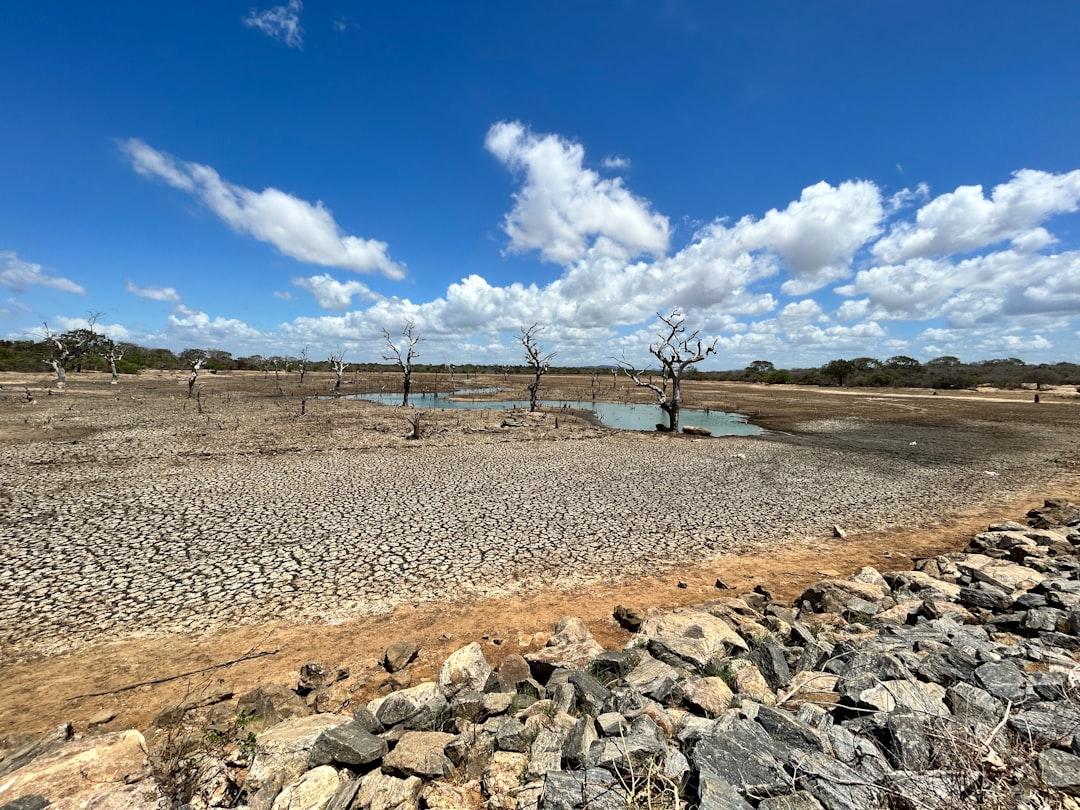
Crowley County, Colorado, had been a productive agricultural area. As Colorado cities began to grow, the farmers in Crowley County were offered higher and higher rates for their water. As more farmers exited the local ditch irrigation system and transferred their water to urban areas, remaining farmers couldn’t afford to keep the irrigation systems functioning. The shift in the local economy caused a domino effect. Today, only 4,000 of the previously 60,000 farmable acres are still being cultivated, and desertification of the region has eliminated much of the wildlife.
Wealthy investors and corporations can drill far deeper and access more water than any municipality or family farm can afford. By drawing on deeper wells, they also lower water levels in shallower wells, many of which belong to small towns and families. Due to groundwater overpumping, many have seen their household wells go completely dry.
The high prices also translate to higher water bills for families during a nationwide affordability crisis. In some Western states, water rates have grown fourfold in a 20-year period. The wealth transfer embedded in this dynamic is quiet, but it is real and measurable.
Policy and the Limits of Regulation

The Church of Jesus Christ of Latter-day Saints and a Bill Gates-owned company were each willing to spend more than $200 million to buy 22,500 acres of ranchland and its associated water rights. Moments like that one illustrate how dramatically the playing field has tilted. Local farmers and municipalities simply cannot compete at that scale.
In 2025, the Kansas governor signed a bill creating a task force dedicated to analysis of water use, policy, and funding statewide. Washington State’s Ecology department also announced a pilot grant program aimed at funding local water banks, helping upstream communities compete with wealthier downstream agricultural interests. The pilot grants were intended to furnish rural communities in headwater basins with funds to compete with deep-pocketed water investors.
Depletion is a structural problem embedded in agricultural policies. Groundwater depletion is ultimately a policy choice made by federal, state, and local officials. Until those policies change at scale, individual state task forces and grant programs are unlikely to shift the trajectory significantly.
What Scarcity Means for the Future

Unlike cryptocurrency, which exists in cyberspace, water is tangible, life-sustaining, and irreplaceable. The emerging water economy is shaping up to be centralised in the hands of a few powerful stakeholders. The comparison to other commodity grabs in American history is difficult to avoid.
The connection between agriculture and water rights drives massive land acquisitions worldwide. Sovereign wealth funds from water-scarce regions purchase farmland in water-rich countries, effectively exporting water resources through agricultural products. The Midwest, with its deep aquifers and productive soils, is squarely in that crosshairs.
Global mining investment is projected to rise by an additional $150 billion annually between 2025 and 2029, placing even greater pressure on sectors that rely on water. Mining and metals companies must compete with agricultural, industrial, and domestic users for scarce water resources, a vulnerability investors have identified as the greatest risk facing the industry, according to Fitch Ratings. Every major sector is converging on the same finite supply.
Conclusion: The Ground Beneath the Rush
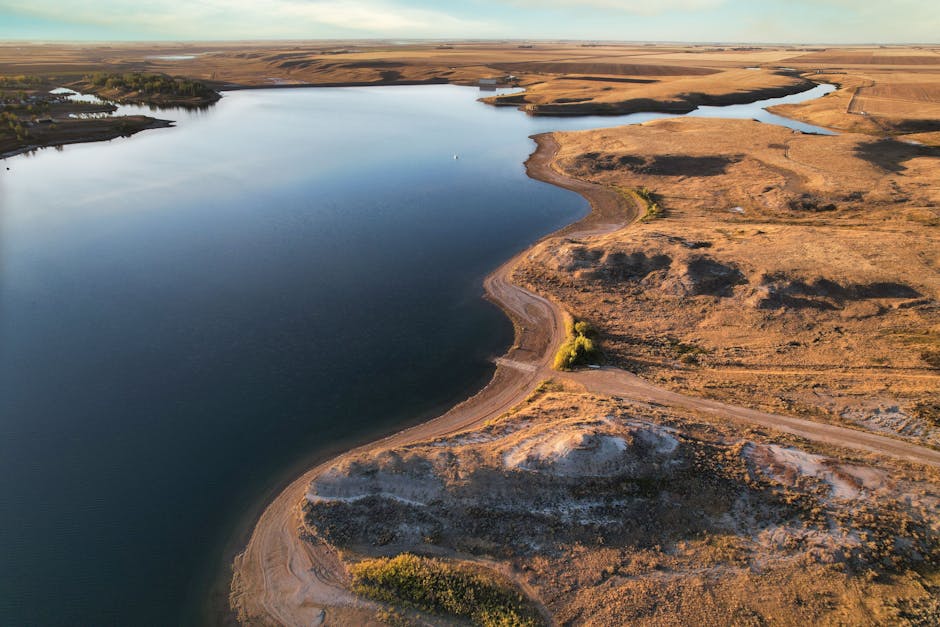
The “water gold” rush is not a metaphor. It is a methodical, legally structured repositioning of one of civilization’s most essential assets into private hands, and it is accelerating precisely as the resource itself becomes harder to find.
The Ogallala Aquifer, the heartbeat of the American agricultural interior, is being drawn down faster than it can recover. According to the climate assessment, current extraction for irrigation far exceeds recharge in the aquifer, and climate change places additional pressure on this critical water resource, such that much of the aquifer should now be considered a nonrenewable resource.
For the families who have farmed above it for generations, and for the communities whose taps depend on it, the question is no longer whether the water will run out. It is who will own what remains when it does. That is not a question that markets, left to themselves, are likely to answer equitably. History, in places like Crowley County, has already shown us how this tends to end.